Introduction
President Donald Trump's decision to waive sweeping Russia sanctions just days before they were set to take effect has ignited a firestorm on Capitol Hill. The move, which came amid soaring U.S. gas prices and a volatile geopolitical climate, has drawn sharp rebukes from both parties and raised questions about the future of American support for Ukraine.
What Happened
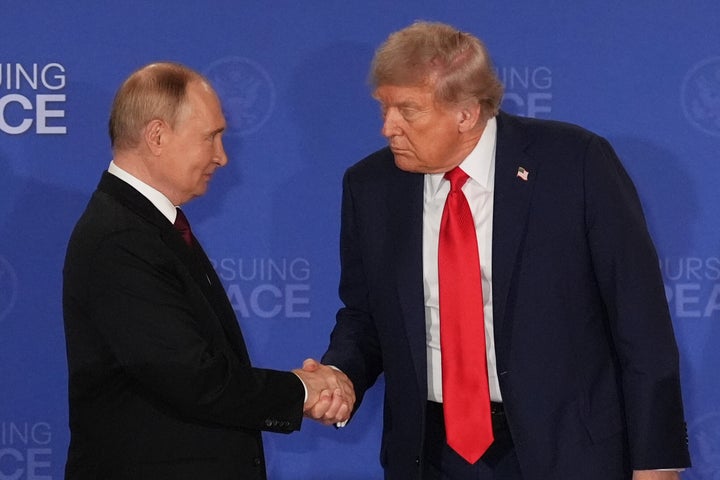
The administration's executive order sidesteps the Lindsey Graham Russian Sanctions Act, which was designed to penalize nations importing Russian energy and tighten the noose on Moscow's war chest. Trump justified the waiver by citing national interest, even as he announced a separate diesel import deal with Vladimir Putin. Congressional leaders from both sides of the aisle condemned the action, arguing it undermines legislative intent and plays into the hands of an adversary already targeting Ukraine's energy infrastructure.
Why This Matters
Sanctions have been a cornerstone of Western pressure on Russia, and their suspension could embolden further aggression. With Ukraine bracing for a harsh winter of energy strikes, the decision threatens to disrupt the flow of economic punishment aimed at Putin's regime. Meanwhile, lawmakers face a narrow window before Election Day to respond, and the move could influence voter sentiment in key races already dominated by pocketbook concerns.
Key Takeaways
Bipartisan outrage erupted over Trump's waiver, with senators calling it beyond irresponsible and thumbing his nose at Congress.
The Lindsey Graham Russian Sanctions Act, passed with an 86-11 Senate margin, now faces an uncertain future under executive discretion.
A proposed diesel deal with Putin to offset U.S. gas prices has been labeled corrupt by top Democrats and a gift to the Kremlin by watchdogs.
Congress is recessed until after the November election, leaving the sanctions' fate in limbo and empowering the executive branch in the interim.
Sen. Lindsey Graham's legacy looms large, with his sister on the campaign trail in South Carolina and his bill's fate hanging by a thread.
Conclusion
The clash between the White House and Capitol Hill over Russia sanctions underscores the fragile balance of power in U.S. foreign policy. As lawmakers pledge to fight back and voters weigh energy costs against geopolitical principles, the coming weeks will reveal whether Congress can translate outrage into concrete action or if the waiver becomes a lasting precedent.




Discussion
Join the conversation
Thoughtful reactions, questions, and follow-up ideas help shape the next story.