
Introduction
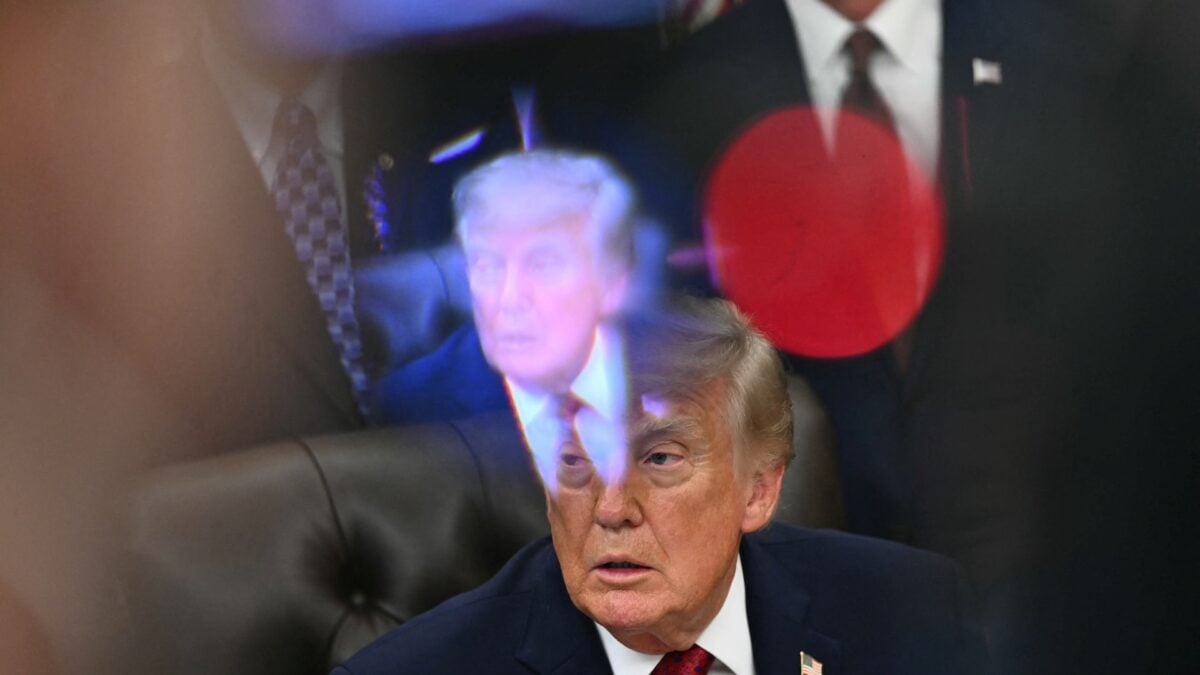
Former President Donald Trump has intensified his criticism of the Supreme Court after the justices upheld a lower court block on his mail-in voting initiative, sparking a fresh firestorm on Truth Social.
What Happened
Trump denounced the ruling as a bad decision, praising conservative justices Samuel Alito and Clarence Thomas for their dissent while attacking colleagues Brett Kavanaugh Neil Gorsuch and Amy Coney Barrett for siding with the liberal bloc. He argued the decision challenges election integrity and vowed the Court will be remembered for destructive rulings.
The decision marks the third time the Trump administration has brought the mail-in voting plan to the Supreme Court's emergency docket. The proposed rule would have required states to upload voter lists before mailing ballots, and the U.S. Postal Service to only deliver ballots meeting new design specifications.
While Justice Brett Kavanaugh joined the majority, he cautioned that implementing the rule before the 2026 elections would violate the Administrative Procedure Act due to insufficient time for state and local officials to prepare.
Why This Matters
The ruling underscores ongoing tensions between the former president and the judiciary, with implications for how future election-related policies are challenged in court. Critics argue the block protects administrative fairness, while supporters say it prevents rushed, insecure voting changes.
Trump's attacks highlight the broader implications for the judiciary's role in shaping electoral rules and the high stakes surrounding mail-in voting ahead of future election cycles.
Key Takeaways
- Trump called the Supreme Court ruling a bad decision and attacked justices who opposed his mail-in voting plan on Truth Social.
- He lauded Justices Alito and Thomas as legends for their dissent, while labeling other conservatives as petrified of Democratic pressure.
- The Court's decision is the third time the Trump administration has faced a block on its mail-in voting initiative.
- Kavanaugh's concurring opinion noted the plan could be legal but warned against rushed implementation before the 2026 midterms.
- The plan would have mandated voter list uploads and new ballot design requirements for postal delivery.
Conclusion
The latest Supreme Court clash over mail-in voting reignites the debate over election integrity, executive overreach, and the judiciary's role in shaping electoral rules. As Trump continues to pressure the Court, the decisions will likely influence voting policies and partisan dynamics leading into the 2026 elections and beyond.

Discussion
Join the conversation
Thoughtful reactions, questions, and follow-up ideas help shape the next story.