Introduction
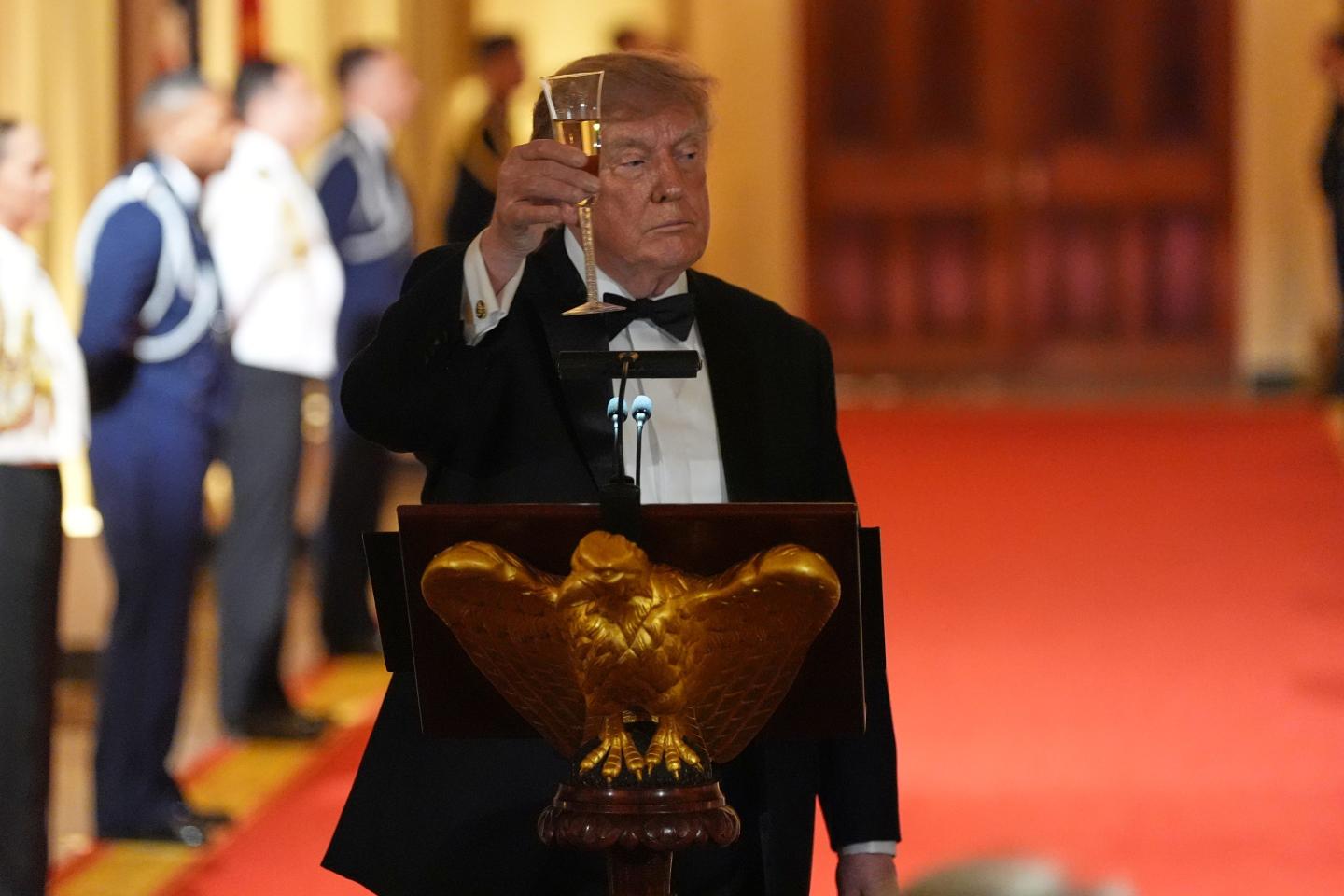
The White House hosted a high-profile state dinner honoring China's leader Xi Jinping, blending traditional diplomatic protocol with the star power of the global tech and business elite. Against a backdrop of shifting US-China dynamics, the evening highlighted how personal chemistry and geopolitical strategy increasingly intersect.
What Happened
The Thursday night gathering featured President Donald Trump and Xi Jinping exchanging toasts that emphasized mutual respect, even as talks touched on Taiwan, trade, and artificial intelligence. A constellation of industry titans, including OpenAI's Sam Altman, Nvidia's Jensen Huang, Amazon's Jeff Bezos, Tesla's Elon Musk, Google's Sundar Pichai, and LVMH's Bernard Arnault filled the East Room, each noted for both presence and fashion. The menu progressed from a yellow squash velouté with wild mushrooms, crispy pancetta, and scallion oil to sesame-crusted sea bass with braised baby bok choy, roasted garden eggplant, and a sauce verte, finishing with vanilla cremeux, sour cherry confit, walnut frangipane, and ice cream infused with White House honey. Beyond the table, Trump used the occasion to promote his ongoing ballroom project, inviting guests to preview the Great Hall of the United States under construction on the South Lawn, and presented Xi with a custom eagle statue designed with First Lady Melania Trump.
Why This Matters
This dinner signals more than ceremonial pageantry; it reflects the current state of US-China engagement at the highest level, where diplomatic gestures are amplified by tech industry influence and personal narratives. With both leaders positioning their nations' trajectories, the event offers insight into how economic competition, technological rivalry, and diplomatic outreach are being staged simultaneously.
Key Takeaways
- Personal rapport: Trump declared the two have never gotten along better, while Xi noted both nations' ambitious goals can be mutually reinforcing.
- Tech and business presence: The guest list read like a global summit, underscoring the intertwining of diplomacy and industry.
- Symbolic menu and decor: Red and gold themes, First-Lady-crafted dishes, and Reagan-era china set the tone.
- Ballroom reveal: Trump invited attendees to view the Great Hall progress, framing it as a legacy project.
- Contrast with past administrations: The event stands in sharp relief to earlier criticisms of Xi-focused pageantry.
Conclusion
As the US and China navigate an increasingly complex relationship, state dinners like this one serve as both diplomatic barometers and media spectacles. The blend of personal toasts, tech elite presence, and policy discussions illustrates how modern statecraft often plays out at the intersection of power, personality, and public perception, leaving observers to weigh symbolic gesture against concrete diplomatic momentum.

Discussion
Join the conversation
Thoughtful reactions, questions, and follow-up ideas help shape the next story.