Introduction
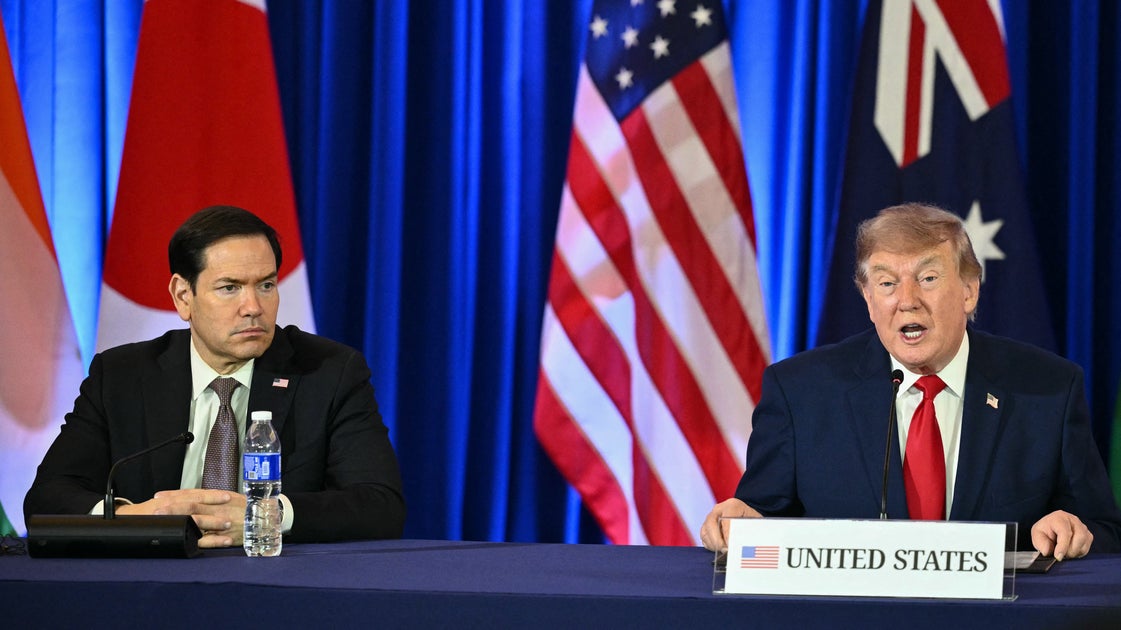
At a gathering of Southeast Asian leaders in Manila, President Donald Trump directed an unusual comment toward Secretary of State Marco Rubio. The remark, delivered during the Association of Southeast Asian Nations summit, quickly circulated online and reignited discussion about the former president's potential 2028 political allies. While the setting was diplomatic, the language Trump used struck some observers as more suited to a casual conversation than an international stage.
What Happened
Trump told the audience that foreign leaders facing problems should contact Rubio or other officials, and if those calls went unanswered, they should reach him directly. He then joked about firing Rubio for slow responses before asking, "How hot is Marco, right?" and adding that Rubio had been "fantastic." The president also praised Treasury Secretary Scott Bessent, Commerce Secretary Howard Lutnick, and Trade Representative Jamieson Greer, describing them as a strong team. The exchange was captured on video and shared widely on social media.
Why This Matters
The comment arrived amid early speculation about the 2028 Republican presidential nomination. Aggregate polling cited by The New York Times places Vice President JD Vance, Rubio, and Donald Trump Jr. at the top of early GOP contender lists, though none has formally launched a campaign. Trump's prior description of Rubio as a "great hot politician" during a podcast appearance adds another layer to the ongoing conversation about who might carry the party's banner next. Critics and commentators online questioned whether the word choice was appropriate for a diplomatic forum, while some supporters interpreted it as a signal of presidential favor.
Key Takeaways
- President Trump asked "How hot is Marco?" while referring to Secretary of State Marco Rubio at an ASEAN summit in Manila.
- He suggested world leaders contact Rubio first, then call him directly if needed.
- Trump also praised Scott Bessent, Howard Lutnick, and Jamieson Greer as a capable team.
- Early 2028 Republican polling cited by The New York Times lists JD Vance, Rubio, and Donald Trump Jr. among the leading potential candidates.
- None of the potential contenders has officially entered the 2028 race.
- The remark drew mixed reactions online, with some users questioning the language and others speculating about a future Trump-Rubio ticket.
Conclusion
Whether the comment was a casual aside or a deliberate signal, it has kept Marco Rubio in the center of early 2028 Republican conversations. As the political landscape shifts, observers will likely continue watching for any clearer indication of Trump's preferred successor. For now, the Manila exchange remains a notable example of how informal language can shape political narratives on an international stage.
Discussion
Join the conversation
Thoughtful reactions, questions, and follow-up ideas help shape the next story.