Introduction
Ukraine launched a massive drone assault overnight, firing more than 1,000 UAVs at Russian targets, including hundreds aimed at Moscow, as the Kremlin concluded its parliamentary vote.
What Happened
Ukrainian forces struck across multiple Russian regions, hitting an oil refinery and a residential building in Moscow. The city's mayor called it the largest-ever drone attack on the capital, reporting damage and casualties. Two people were killed and at least 20 wounded, according to local officials. President Volodymyr Zelenskyy said the operation used domestically built Flamingo and Pelican missiles and drones to target oil and logistics infrastructure, aiming to pressure Russia's war economy. Russia's Defense Ministry claimed to have intercepted 1,100 Ukrainian drones, including 450 headed toward Moscow, while Moscow authorities said 450 drones were shot down before reaching the capital.
- The attack occurred as Russia held its first wartime parliamentary election, a vote expected to cement President Vladimir Putin's dominance with virtually no opposition.
- Voting also took place in four Ukrainian regions Moscow illegally annexed and in Crimea, which Kyiv and much of the international community consider illegal.
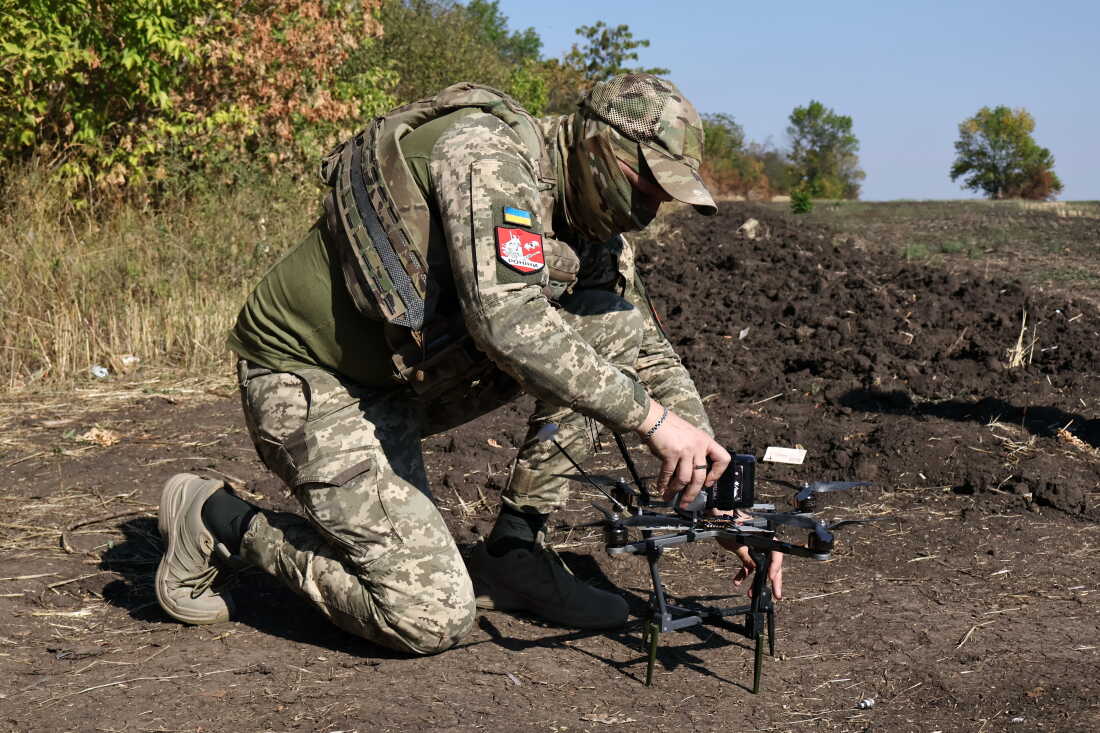
- Ukraine has become a global leader in military drone technology, deploying domestically produced long-range drones alongside missiles, a capability that has drawn attention from governments and defense manufacturers worldwide.
Why This Matters
By striking inside Russia, Ukraine seeks to make the human and economic cost of the war visible to the Russian public and pressure the Kremlin into negotiations. The drone barrage highlights how unmanned systems have become central to the conflict, especially as fighting along the roughly 780-mile front line has slowed and become increasingly dependent on FPV drones and ground robots. The strike also underscores the expanding reach of the war, now extending well beyond the front lines into major Russian cities.
Key Takeaways
- Over 1,000 Ukrainian drones struck Russia, including a significant wave targeting Moscow, marking one of the largest such attacks to date.
- The assault resulted in two deaths and dozens of injuries in the Moscow region, despite Russia claiming to have intercepted most incoming drones.
- Kyiv's use of homegrown Flamingo and Pelican systems signals a growing domestic defense industry aimed at sustaining pressure on Russian territory.
- The timing of the strike, during Russia's parliamentary vote, frames it as both a military action and a political statement intended to influence domestic and international perceptions of the war.
Conclusion
The overnight drone assault highlights the expanding battlefield inside Russia and Ukraine's growing capability to project power deep into enemy territory. As the Kremlin's parliamentary vote concludes, the attack serves as a stark reminder that the conflict's reach extends well beyond the front lines, with drones becoming a decisive tool in shaping both military outcomes and political pressure. Whether this will alter Russia's calculus or prompt further escalation remains to be seen, but the role of unmanned systems in this war continues to intensify.



Discussion
Join the conversation
Thoughtful reactions, questions, and follow-up ideas help shape the next story.