Introduction
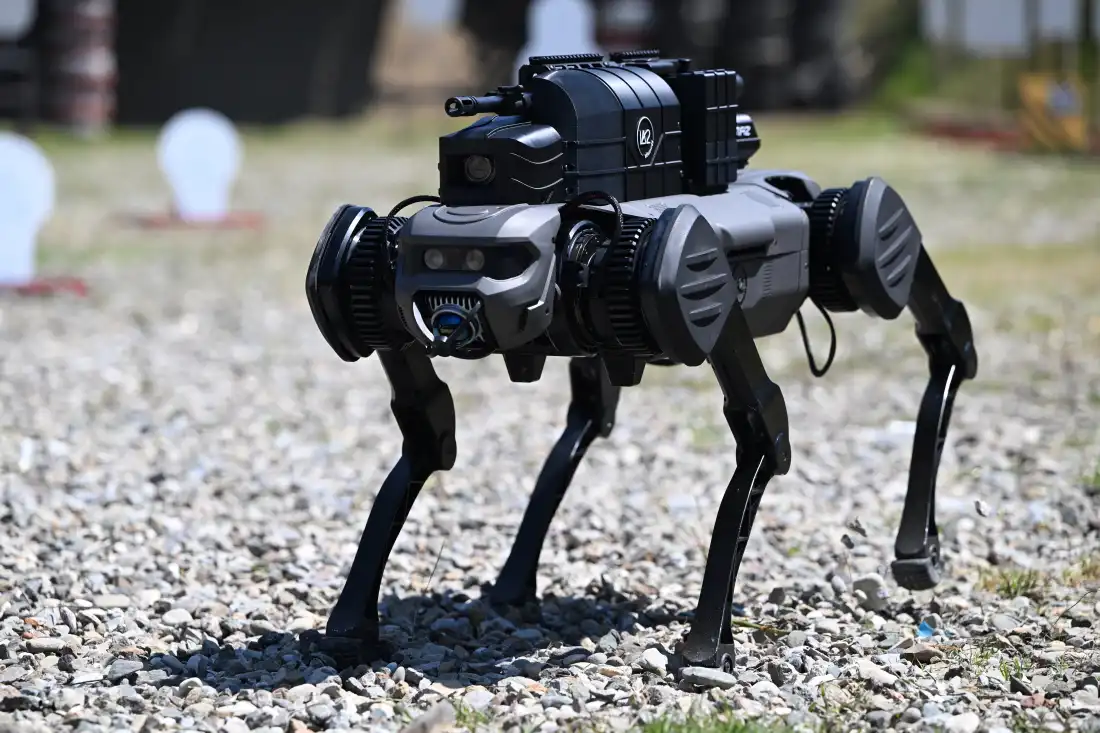
Diplomats and arms control experts have gathered in Geneva for a high-stakes United Nations conference focused on lethal autonomous weapons. Often described in public discourse as "killer robots," these systems could one day select and engage targets without direct human intervention. The meeting comes amid accelerating advances in artificial intelligence and renewed alarm from humanitarian organizations about the ethical and legal consequences of delegating lethal decisions to machines.
What Happened
The talks are taking place under the U.N. Convention on Certain Conventional Weapons, a forum that convenes only once every five years. Proponents of regulation argue this session may be the final realistic opportunity to establish international limits before fully autonomous systems become widespread. More than 50 countries, including Ireland, Italy, Brazil, Mexico, France, and Germany, are pushing for a firm deadline to adopt legally binding rules.
Not all major powers agree. The United States, Russia, and Israel have signaled opposition to binding restrictions, with Washington instead proposing a five-year period to develop voluntary, non-binding guidelines. Because U.N. weapons negotiations require consensus, any agreement must satisfy all participating states, a hurdle that has stalled similar efforts in the past.
One possible compromise under discussion would extend the negotiating timeline indefinitely and allow individual nations to decide whether to adopt binding or non-binding measures. Supporters call it a pragmatic step forward, while critics warn it amounts to delaying action on an increasingly urgent threat.
Why This Matters
Humanitarian groups say the core issue is moral and legal accountability. The International Committee of the Red Cross has warned that existing rules of war, including the Geneva Conventions, were written with human soldiers in mind and may not apply to autonomous machines. A Red Cross legal adviser noted that such weapons might struggle to distinguish between an active combatant, a wounded fighter, and someone attempting to surrender.
U.N. Secretary-General Antonio Guterres has described the deployment of fully autonomous lethal weapons as crossing a moral red line. The Pope and various human rights organizations have joined the call for binding international law. Rights advocates also warn that AI-driven weaponry is becoming cheaper and more accessible, raising the risk of proliferation to terrorist groups or authoritarian governments. In theory, autonomous drone swarms could be programmed to attack people based on clothing, signs, or language.
AI-assisted weapons have already appeared in conflicts such as those in Ukraine and Gaza, though current systems remain under remote human control. Civilians in Ukraine have described being targeted by drones while going about daily life, underscoring how quickly the technology is moving from the battlefield to populated areas.
Key Takeaways
- U.N. talks in Geneva are focused on setting international rules for lethal autonomous weapons.
- The Convention on Certain Conventional Weapons meets only once every five years, making this session especially significant.
- Over 50 nations support binding regulations, while the U.S., Russia, and Israel favor non-binding guidelines.
- Humanitarian organizations warn that machines cannot reliably make complex battlefield judgments required by the laws of war.
- A potential compromise would allow longer negotiations and let states choose between binding and voluntary rules.
Conclusion
The outcome of the Geneva talks could shape how militaries around the world develop and deploy AI-powered weapons for years to come. While a binding global treaty remains uncertain, the meeting highlights a growing divide between nations that prioritize humanitarian safeguards and those that favor military flexibility. For now, the world is watching to see whether diplomacy can keep pace with technology before autonomous killing machines move from concept to routine use.
Discussion
Join the conversation
Thoughtful reactions, questions, and follow-up ideas help shape the next story.