Introduction
A high-stakes round of United Nations negotiations in Geneva aimed at controlling autonomous weapons has ended without any binding restrictions. Instead of a new treaty, participating nations agreed only to keep talking through 2028, leaving the door open for AI-powered lethal systems to keep advancing with little international oversight.
What Happened
The meeting was the seventh review conference of the Convention on Certain Conventional Weapons, hosted by the U.N. Office for Disarmament Affairs from November 16 to 20. Despite early optimism and a working paper supported by Pope Francis, the talks stalled, according to reporting by the Associated Press. No firm commitments were reached beyond a pledge to continue the process.
Switzerland’s U.N. mission initially framed the outcome as progress, posting on social media that work had begun on an international instrument for lethal autonomous weapons systems. However, critics quickly pointed out that the final document amounted to little more than a promise to revisit the issue later. Activists cited by the AP said governments with large militaries, including the United States and Russia, blocked stronger language.
Beatrice Fihn, the Swedish lawyer and 2017 Nobel Peace Prize laureate for antinuclear advocacy, described the agreement as “watered down.” She argued it fell far short of expectations set by the public, the U.N. secretary-general, and the International Committee of the Red Cross.
Why This Matters
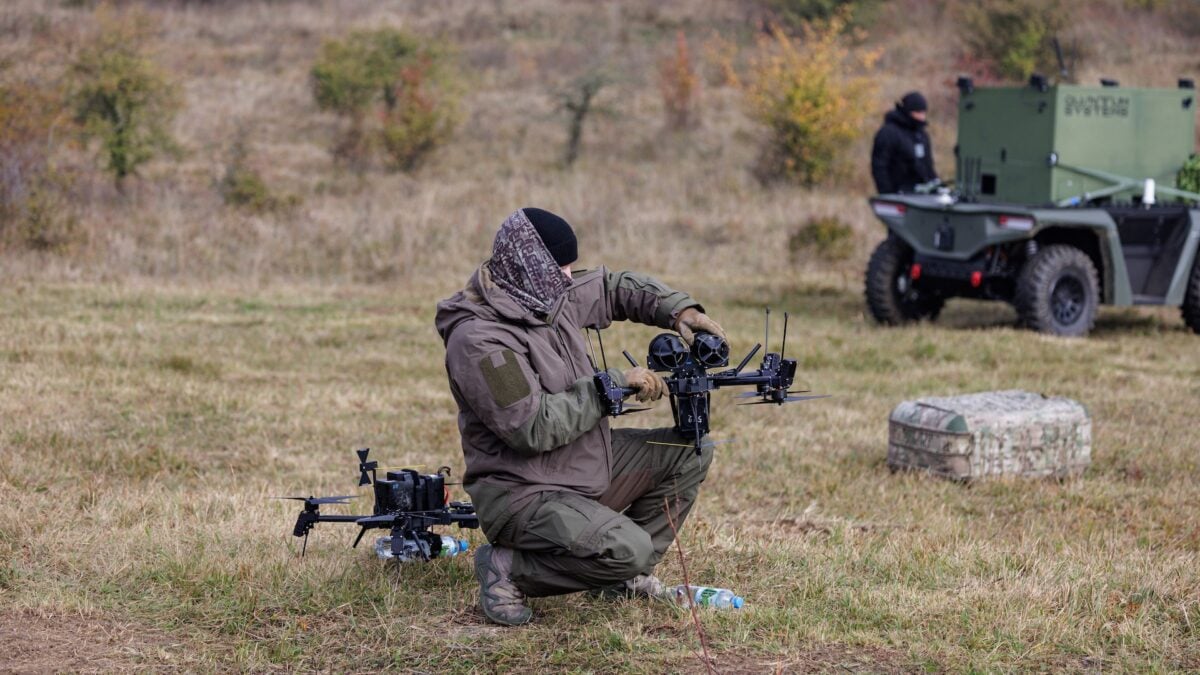
The delay comes as autonomous weapons are already appearing on battlefields. A New York Times investigation from August described a Russian drone believed to be operating without a human pilot that selected and destroyed ground targets, possibly killing three people, including a 19-year-old university student. The report noted there was no human monitor to stop the system from firing.
Meanwhile, the United States is moving quickly in the opposite direction. Defense contractor Anduril Industries, co-founded by Palmer Luckey, is promoting an autonomous attack rotorcraft called “Thunder,” developed with Archer, intended to support or eventually replace human-piloted attack helicopters. The company’s marketing materials envision swarms of protector drones operating alongside crewed aircraft in high-threat environments.
Fihn warned that the window for meaningful regulation is closing. “AI weapons are starting to be deployed on battlefields,” she wrote, echoing a joint statement from the U.N. secretary-general and the Red Cross president that failure to act decisively will cost lives.
Key Takeaways
- U.N. talks in Geneva produced no binding rules for autonomous weapons.
- Nations agreed only to continue discussions through 2028.
- The United States and Russia reportedly blocked stronger measures.
- Beatrice Fihn called the outcome “watered down” and insufficient.
- Evidence suggests autonomous drones have already caused civilian deaths.
- U.S. defense firms are actively developing autonomous attack aircraft.
Conclusion
What some delegates called a step forward looks more like a pause button. While governments agreed to keep the conversation alive until 2028, the absence of enforceable limits means autonomous weapons will likely keep evolving in a regulatory vacuum. For critics and humanitarian advocates, the Geneva talks represent a missed opportunity to set red lines before AI-driven killing becomes routine on the battlefield.
Discussion
Join the conversation
Thoughtful reactions, questions, and follow-up ideas help shape the next story.