Introduction
The United States is confronting its most dramatic strategic retreat from the Middle East in half a century. Once the unchallenged guarantor of Gulf security, the Pentagon’s network of bases and naval fleets now shows cracks after a series of Iranian drone strikes and Houthi missile attacks that have exposed Saudi vulnerabilities and undermined decades of American military dominance.
What Happened
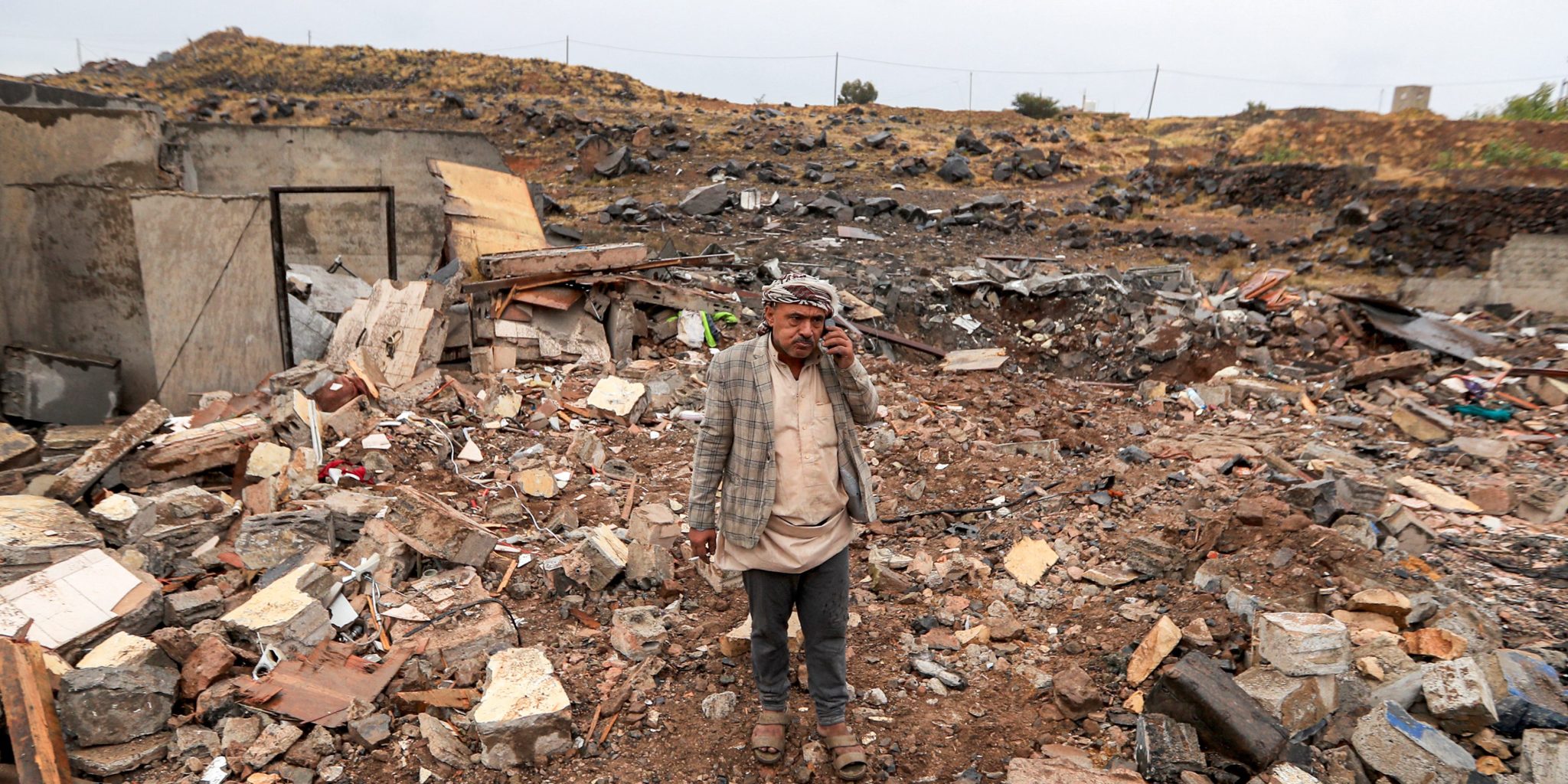
In mid-2026, the Houthi movement, known as Ansarullah, intensified cross-border strikes into Saudi Arabia, targeting airports, oil facilities, and energy infrastructure. Simultaneously, Iran launched coordinated drone and missile campaigns that devastated U.S. installations across the Gulf, from the naval headquarters at Manama in Bahrain to the massive al-Udeid air base in Qatar. The Pentagon confirmed that Iranian strikes destroyed hundreds of buildings and damaged dozens of aircraft at bases across Kuwait, Bahrain, Qatar, the UAE, Saudi Arabia, Iraq, Oman, and Jordan. The CIA’s Riyadh embassy section was also annihilated, and U.S. troops were fully withdrawn from Iraq. These losses come as Iranian Shahed drones, costing as little as $20,000 each, forced the U.S. to expend interceptors priced at $4 million apiece, stretching stockpiles and revealing a costly asymmetry in modern warfare.
Why This Matters
The erosion of U.S. power reshapes the regional balance. Saudi Arabia, once shielded by American air defense and in-air refueling, now faces direct threats to its airports and oil installations, including the massive Ras Laffan natural gas facility in Qatar and Kuwait’s national petroleum company. Iran’s blockade of the Strait of Hormuz and attacks on shipping in the Red Sea further threaten global energy supplies and insurance markets. The conflict also underscores a broader shift: regional actors like the Houthis, driven by Yemeni autonomy and anti-American sentiment, are acting with increasing independence, empowered by Iranian technology but motivated by local grievances rather than solely Iranian directive. For the United States, the retreat means fewer options to project force, higher defense costs, and a diminished role in shaping Middle East outcomes.
Key Takeaways
- Iranian drone and missile campaigns have physically degraded core U.S. bases in the Gulf, including Manama and al-Udeid.
- Houthi attacks on Saudi infrastructure have forced the kingdom to seek security beyond traditional American patronage.
- The cost asymmetry between cheap drones and expensive interceptors reveals an unsustainable defense burden.
- Regional realignments, including Saudi outreach to Pakistan, Türkiye, and Egypt, signal a fragmented security architecture without clear U.S. leadership.
- Global energy markets feel the ripple effect, as Gulf production disruptions and Hormuz blockages push prices upward and strain supply chains.
Conclusion
This crisis marks a pivotal moment in Middle East geopolitics. As the United States grapples with base losses, depleted interceptor stocks, and a reoriented regional landscape, the era of unchallenged American military primacy in the Gulf appears to be fading. How Washington adapts, whether by reinforcing alliances, investing in new defense technologies, or recalibrating its regional role, will likely define the next chapter of U.S. foreign policy and global energy security.



Discussion
Join the conversation
Thoughtful reactions, questions, and follow-up ideas help shape the next story.