Introduction
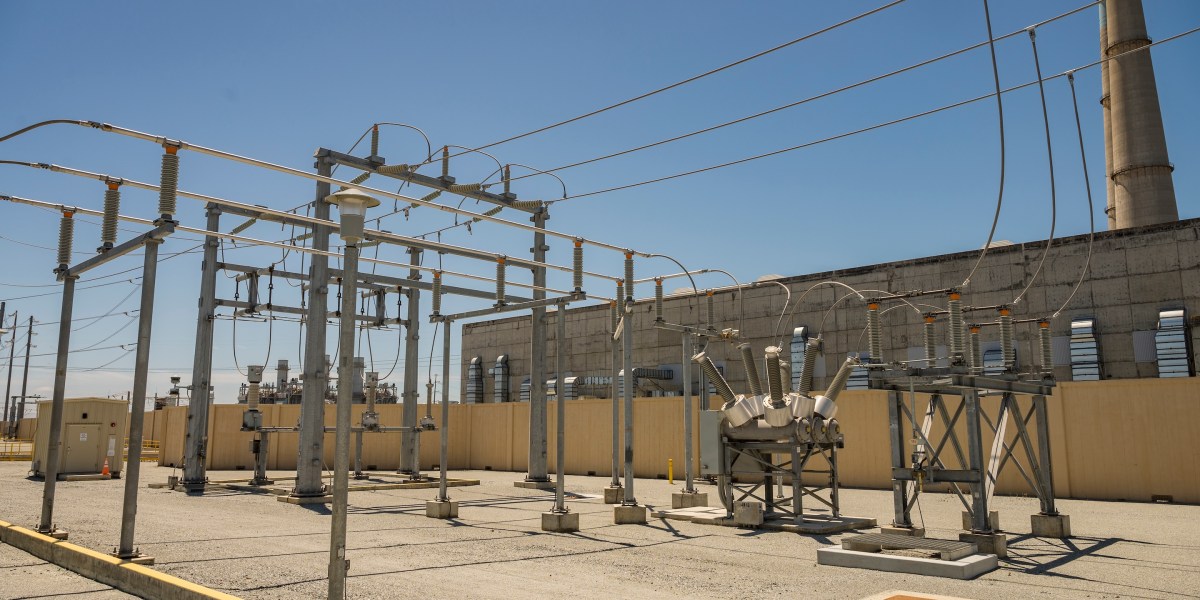
Recent technology failures have exposed the fragility of American infrastructure, but one critical weakness is hiding in plain sight: the hardware that connects power plants and data centers to the electrical grid. A new academic study warns that the United States could face severe shortages of transformers and converters within the next few years, potentially undermining efforts to modernize the nation's energy system.
What Happened
Researchers from Johns Hopkins University, publishing in Cell Reports Sustainability, project that transformer and converter shortages could become acute by 2030. Lead author Yury Dvorkin and PhD candidate Boyu Yao found that U.S. electricity demand, which grew roughly 1% to 2% annually for decades, may jump 21% by 2030. Artificial intelligence data centers, electric vehicles, and broader electrification are driving the surge, with data centers alone potentially responsible for as much as two-thirds of the expected equipment gap.
The supply chain is already under pressure. Copper shortages could emerge as soon as next year, followed by steel and nickel constraints that may be nearly impossible to resolve by 2030. Under current demand trends, the country could be about 15% short on transformers and 30% short on other essential grid equipment within four years. If trade disruptions cut material imports by up to 70%, those gaps could widen to roughly 25% for transformers and 36% for other components.
Why This Matters
For everyday consumers and businesses, equipment shortages translate into higher electricity bills and more frequent blackouts. Without enough transformers, new power generation and data center projects cannot connect to the grid, regardless of how much capacity is built. The timing is especially difficult because more than 70% of U.S. transmission lines are already over two decades old, and aging transformers must compete with new projects for the same limited supply.
Manufacturing lead times have also ballooned. Transformers are often custom-built, and wait times have quadrupled in four years, stretching from about six months to more than two years. Large units rely on grain-oriented electrical steel, a material produced by only one mill in the United States.
Key Takeaways
- A Johns Hopkins study forecasts serious transformer and converter shortages by 2030 as U.S. electricity demand rises.
- Data centers could account for up to two-thirds of the projected equipment shortfall.
- Copper supplies may run short as early as next year, with steel and nickel following by 2030.
- The nation could face roughly a 15% transformer deficit and a 30% gap in other grid equipment within four years.
- JPMorganChase estimates the grid will need about $1 trillion in investment through 2035, while recent federal funding covers only a small fraction.
- Transformer wait times have increased from six months to over two years, and supply is limited by a single U.S. producer of key electrical steel.
Conclusion
The United States faces a costly and complex challenge: modernizing an aging power grid while securing enough transformers and raw materials to keep it running. Researchers suggest that better monitoring, recycling retired equipment, and standardized designs could help stretch existing supply. Until production catches up, access to critical hardware may depend on who can pay the most, raising questions about whether smaller utilities or large tech companies will get priority.
Discussion
Join the conversation
Thoughtful reactions, questions, and follow-up ideas help shape the next story.