Introduction
The United States has escalated its pressure on the International Criminal Court, imposing sweeping sanctions just hours after the Nobel Peace Prize was conferred on former ICC judge Navi Pillay. The move underscores a deepening rift between Washington and the Hague-based tribunal.
What Happened
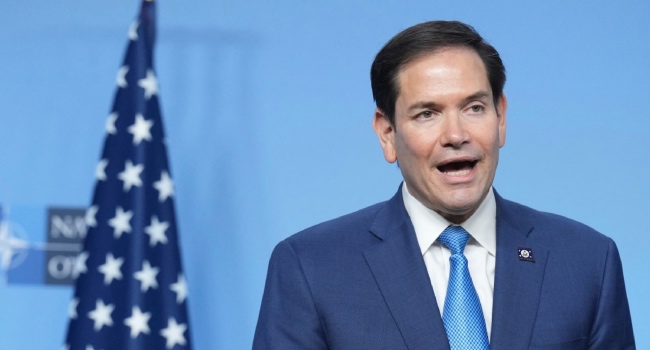
Secretary of State Marco Rubio announced the sanctions, declaring the ICC a rogue court and vowing to cripple its operations. The decision follows the Norwegian Nobel Committee's award to Pillay, an 85-year-old South African jurist who led the Rwanda genocide tribunal, served on the ICC, and headed a UN commission that accused Israel of genocide in Gaza. Rubio stated the measures are necessary to protect US personnel and allies from prosecution by a court the United States has never joined.
- Rubio warned allies to rein in the ICC or face continued US action brick by brick.
- The Trump administration had previously sanctioned ICC officials over investigations involving the US and Israel.
- The ICC rejected the sanctions, warning that history will judge this moment.
Why This Matters
The sanctions represent a significant escalation in the US campaign against the ICC, signaling that Washington will not tolerate investigations into its citizens or allies. The timing coinciding with a Nobel Peace Prize for a former ICC judge highlights the political weight of the decision and its potential to reshape international justice dynamics.
Key Takeaways
- The US imposed sanctions on the ICC hours after Navi Pillay won the Nobel Peace Prize.
- Marco Rubio called the ICC a rogue court and threatened to dismantle it further.
- The United States never joined the ICC and has long opposed its jurisdiction over Americans.
- The ICC rejected the sanctions, stating that history will judge this moment.
- Relations between Washington and the Hague-based tribunal are at a new low.
Conclusion
With the US doubling down on pressure against the ICC, the international community watches closely how the tribunal and its member states respond. The standoff raises fundamental questions about the future of global justice and the limits of national sovereignty in international law.





Discussion
Join the conversation
Thoughtful reactions, questions, and follow-up ideas help shape the next story.