Introduction
U.S. technology companies are finding themselves squeezed between two superpowers as Washington tightens export controls and Beijing retains leverage over global supply chains. The recent departure of Nvidia's chief executive, combined with new restrictions on how Chinese firms can access advanced American chips, has intensified debate over how deeply U.S. firms should remain engaged with China. At the same time, Apple's new leadership is weighing whether to reduce dependence on Chinese manufacturing without disrupting the production of its most important products.
What Happened
Nvidia CEO Jensen Huang stepped down last week following reports that he had a relationship with a woman U.S. intelligence officials suspect may be a Chinese intelligence operative. His exit came just days before President Donald Trump was scheduled to meet with Chinese President Xi Jinping. Huang had previously argued that maintaining access to the Chinese market helped the United States stay competitive in artificial intelligence.
Around the same time, the Trump administration announced tighter rules limiting Chinese companies' ability to rent advanced U.S. chips through overseas data centers, a move designed to close loopholes in existing export controls. Meanwhile, nine nations including Singapore and the United Kingdom signed the State Department's 'San Francisco Declaration,' pledging to protect sensitive technologies from misuse.
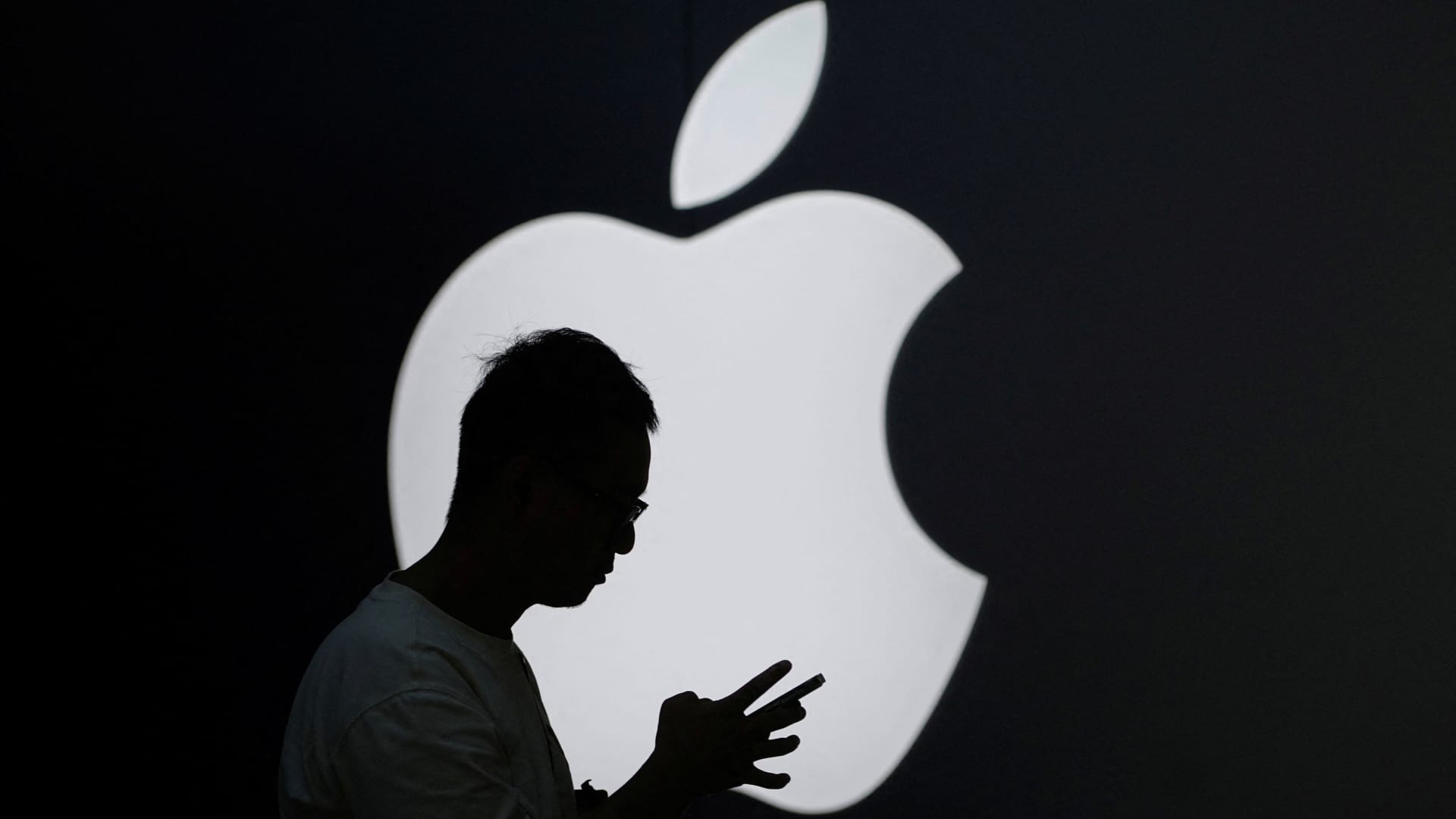
Apple is also in the spotlight. Chief Executive John Ternus, who succeeded Tim Cook in October, now faces questions about how quickly to shift iPhone production away from China. Most iPhones are still assembled there, and Greater China represents roughly 15 percent of Apple's sales.
Why This Matters
The tension is not limited to semiconductors. China dominates the supply chain for critical minerals and rare earth materials used in everything from smartphones to aircraft engines. Beijing has already used its control over these resources as leverage in trade negotiations with the United States and European Union. Consultants warn that any move to satisfy one government can alienate the other, endangering market access, investment, and corporate reputation.
For companies like Nvidia and Apple, the stakes are especially high. Both have resisted the broader trend of American firms pulling back from China, yet they remain vulnerable to sudden policy shifts in either capital. Analysts say the era of quietly hedging bets may be ending, replaced by a need for clear strategic choices about how much exposure to China is acceptable.
Key Takeaways
- Nvidia's CEO resignation has renewed scrutiny over U.S. chip sales to China and related national security concerns.
- The Trump administration imposed new restrictions on remote access to advanced American semiconductors by Chinese entities.
- Nine countries signed a U.S.-led declaration aimed at safeguarding sensitive technologies ahead of the Trump-Xi summit.
- Apple's new CEO must decide how far to diversify manufacturing away from China while preserving output capacity.
- China's control over rare earths and critical minerals gives Beijing significant economic leverage in trade disputes.
- Corporate advisers recommend 'managed decoupling' rather than indefinite delays or vague public statements.
Conclusion
U.S. tech leaders are entering a period where avoiding a decision is no longer a viable strategy. With export controls tightening and China retaining outsized influence over global manufacturing and raw materials, companies must weigh commercial interests against geopolitical risks. Whether Nvidia, Apple, or other multinationals choose deeper engagement or a faster exit, their choices will shape not only their own balance sheets but also the broader contest for technological leadership between Washington and Beijing.
Discussion
Join the conversation
Thoughtful reactions, questions, and follow-up ideas help shape the next story.