Introduction
Esports has exploded from niche pastime to billion-dollar industry, yet the physical cost of elite competition remains underappreciated. When veteran player Jian Uzi retired at 25 due to chronic wrist and arm injuries, it shone a light on a hidden crisis within professional gaming.
What Happened
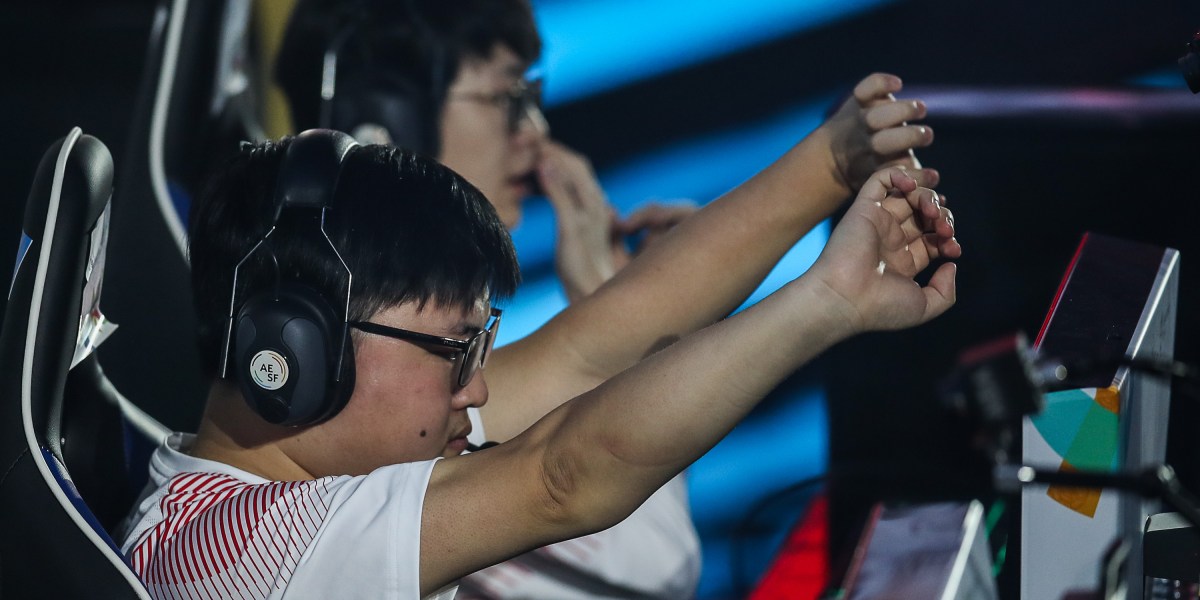
Uzi dedicated his career to League of Legends, amassing over $500,000 in tournament earnings before his 2020 retirement. His experience mirrors a broader trend: top players endure grueling practice schedules, often logging 10 or more hours daily. A 2021 study of Portuguese esports athletes revealed that 37 percent struggled with anxiety or depression, and 45 percent reported sleep disturbances. Physically, the most common issues fall into two categories: eye problems and musculoskeletal injuries. Prolonged screen exposure leads to eye fatigue and interferes with melatonin production, disrupting sleep. Meanwhile, repetitive button inputs trigger conditions like carpal tunnel syndrome, tendonitis, and gamer's thumb. Extended sitting also contributes to chronic back pain, and in fatal cases, deep vein thrombosis exemplified by the 2011 death of British gamer Chris Staniforth, who routinely played 12-hour sessions.
Why This Matters
As esports cements its place as a legitimate career path, organizations are investing in medical support staff previously reserved for traditional sports. Top teams now employ physical therapists, performance psychologists, athletic trainers, and massage therapists to optimize player recovery and longevity. Injury prevention focuses on ergonomic setups, proper spinal alignment, group exercise sessions, and functional strength routines targeting the upper limbs. Some researchers argue esports competitors should be viewed more like musicians and dancers artists who endure long sitting periods, precise hand movements, and performance anxiety suggesting that centuries-old performance medicine could inform better prevention strategies.
Key Takeaways
- Chronic overuse and sedentary posture put esports players at risk for eye strain, wrist injuries, back pain, and even life-threatening blood clots.
- Elite teams now employ full medical staffs, recognizing that player health directly impacts roster stability and performance.
- Ergonomic chairs, regular stretching, and mobility work can significantly reduce injury risk.
- Rehabilitation models from traditional sports and performing arts are being adapted to help injured players return safely.
- Players like Lee Faker Sang-hyeok have shown that posture correction and physical therapy can shorten recovery and extend peak careers.
Conclusion
The era of treating esports purely as a mental contest is ending. With prize pools growing and careers stretching longer, the industry must prioritize the physical well-being of its players. From ergonomic setups to dedicated sports-medicine staffs, the tools to protect pro gamers exist now it's a matter of making them standard across the scene.



Discussion
Join the conversation
Thoughtful reactions, questions, and follow-up ideas help shape the next story.