
Introduction
Venezuelan authorities have freed dozens of political prisoners, human rights groups say, days after the nation's interim leader met former US President Donald Trump in New York. The developments renew international focus on the South American nation's electoral future and rights record.
What Happened
In the early hours of Saturday, a slew of political prisoners were freed across several Venezuelan detention centres, according to rights monitor Foro Penal. Among those released was Wilder Vasquez, who received a five-year sentence in 2018 on allegations he was plotting to kill former President Nicolás Maduro.
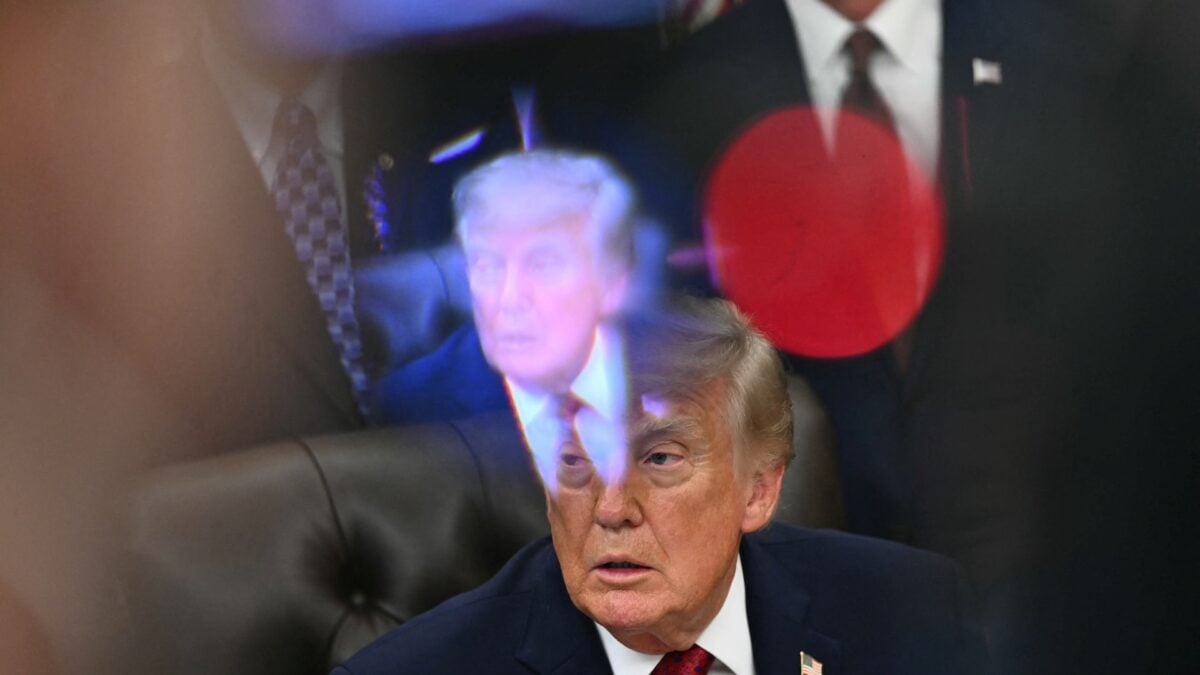
The releases followed a high-profile meeting between interim President Delcy Rodriguez and former US President Donald Trump at the UN General Assembly, where Rodriguez renewed appeals for free elections in Venezuela. Previously, hundreds of prisoners were freed as part of a reconciliation effort following Maduro's seizure, but the programme had slowed to a trickle in April after Rodriguez indicated it was coming to an end.
- Foro Penal confirmed the release of Miguel Castillo Cedeño, who it said had been arbitrarily detained since June 2019.
- Frank Cabañas was also freed, though rights groups say he had been held for nine years after being linked to the death of a police officer, and was the only suspect still detained despite family members reporting health problems last year.
Why This Matters
Rights organisations argue that the Venezuelan government has long used the detention of political prisoners to stamp out dissent and silence critics. The latest releases, however partial, come amid renewed diplomatic engagement between Venezuela's interim leadership and the United States, particularly after Rodriguez's talks with Trump.
The developments unfold against the backdrop of Venezuela's disputed 2024 election, in which Maduro was declared the winner despite opposition allegations of rigging and the exclusion of opposition leader Maria Corina Machado. International observers and opposition voices say the timing and selectivity of prisoner releases could influence the credibility of any future electoral process in the country.
Key Takeaways
- Dozens of political prisoners were freed following Rodriguez's meeting with former US President Donald Trump.
- The release scheme had slowed significantly earlier this year, with rights groups warning that many political prisoners remain behind bars.
- Key individuals freed include Wilder Vasquez, Miguel Castillo Cedeño, and Frank Cabañas, though dozens more are still detained.
- Human rights groups, including Foro Penal, emphasize that the broader crackdown on political opposition in Venezuela remains largely intact.
- The Venezuelan government continues to deny jailing dissenters, framing releases as gestures of goodwill and reconciliation.
Conclusion
The latest wave of prisoner releases in Venezuela underscores the fragile intersection of diplomacy, human rights, and electoral politics in the crisis-wracked nation. While the freed individuals represent progress, rights advocates stress that the broader crackdown on political opposition remains a pressing concern. As Venezuela navigates international pressure and internal dissent, the fate of remaining prisoners and the credibility of upcoming elections will likely remain central themes in global coverage of the country's ongoing situation.
Discussion
Join the conversation
Thoughtful reactions, questions, and follow-up ideas help shape the next story.