Introduction
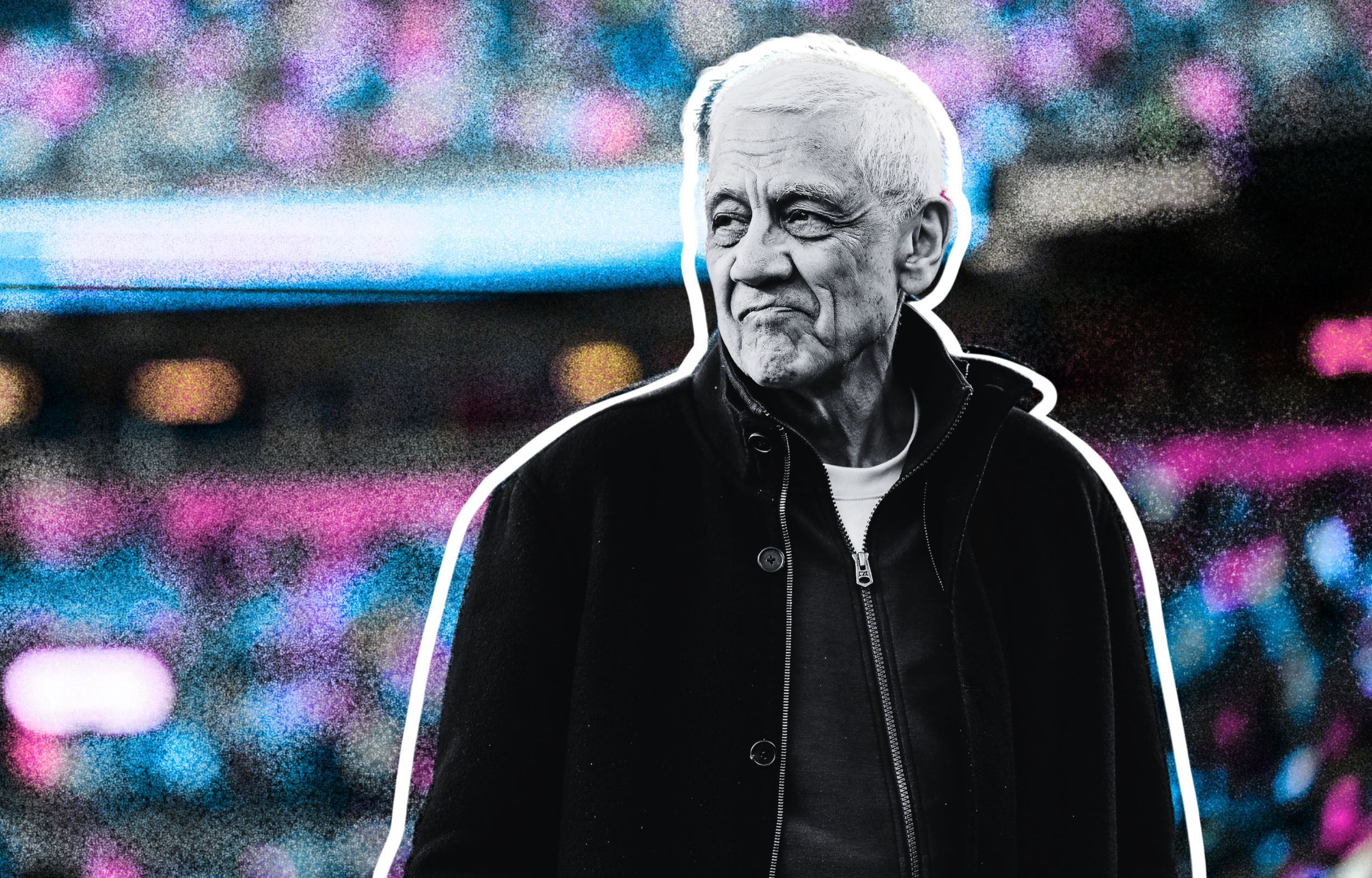
Vinod Khosla has built a reputation for spotting technological shifts before they go mainstream. The 71-year-old billionaire helped back OpenAI in its early days, and now he is placing a new wager on how artificial intelligence will reshape the internet. His latest focus is not another chatbot or foundation model, but the ordinary website itself.
What Happened
Khosla Ventures has led a $25 million Series A round in Coframe, an AI startup working to make websites adapt to each individual visitor. The total funding announced for Coframe reaches $35 million, with participation from Hanabi Capital and executives affiliated with Anthropic, OpenAI, and Google DeepMind. Coframe's platform automatically generates and tests variations of webpage copy, imagery, and layout, then uses visitor behavior to determine which versions perform best. The company says its customers include Dropbox, BCG, Block, Backcountry, and Sur La Table.
Why This Matters
For years, most websites have displayed the same static page to everyone who arrives. Khosla argues that AI makes it feasible to replace that model with a living internet where two people can land on the same URL and see completely different experiences tailored to their needs. He told Business Insider that coding every possible page variation by hand is too expensive and slow, while AI-driven personalization can happen continuously and automatically. The approach also promises to help companies extract more value from existing traffic without adding weeks of engineering work for every new test.
Key Takeaways
- Vinod Khosla, whose net worth Forbes estimates at around $10 billion, is an early investor in OpenAI and companies such as DoorDash and Instacart.
- Khosla Ventures led Coframe's $25 million Series A, part of a $35 million total funding round.
- Coframe uses AI to create and test personalized website variations, aiming to improve conversion rates and customer actions.
- The startup claims its platform has helped customers generate more than $300 million in additional revenue, with average conversion gains above 20 percent.
- Coframe says it built a Dropbox experiment in 30 minutes that would previously have taken about four weeks of engineering, design, and quality-assurance work.
Conclusion
Khosla's latest move signals a broader conviction that artificial intelligence will not just power backend systems but will fundamentally rewrite how front-end web experiences are built and delivered. Whether Coframe can scale its vision beyond early adopters remains to be seen, but the investment underscores a growing belief among major investors that the next era of the web will be personal, adaptive, and driven by machine learning.
Discussion
Join the conversation
Thoughtful reactions, questions, and follow-up ideas help shape the next story.