Introduction
The day after a sweeping midterm victory for Democratic candidates, the fallout extends well beyond Capitol Hill. Voters in communities across the country rejected dozens of proposed data center projects, turning the AI infrastructure boom into a political liability and signaling a new era of public scrutiny for Big Tech's expansion plans.
What Happened
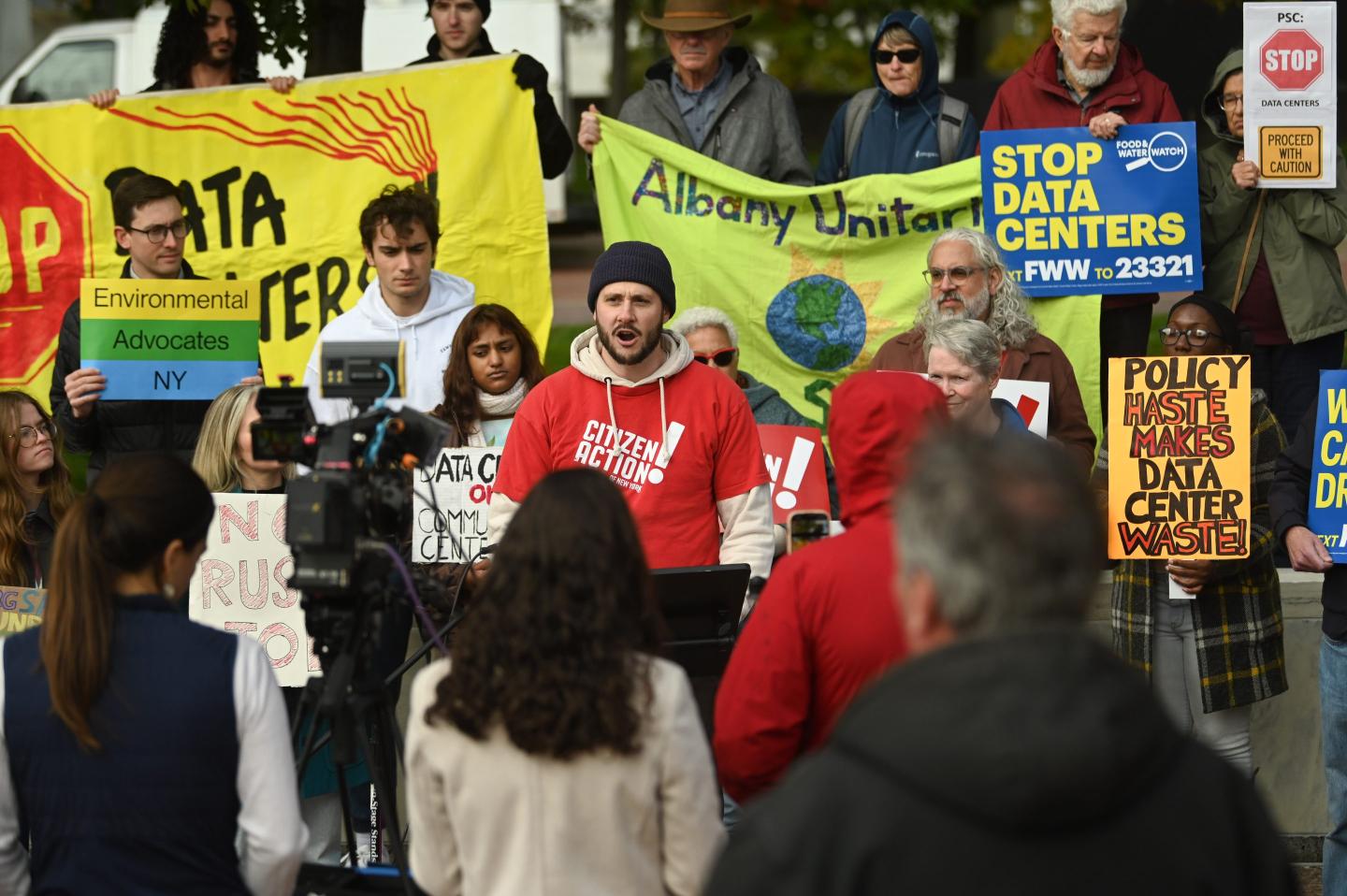
Election results revealed a decisive voter backlash against data center development. According to preliminary tracking, 37 of 38 local ballot contests voted against new facilities, including a high-profile defeat for Meta's $1 billion, 1.4-gigawatt project in Piqua, Ohio, where residents successfully recalled three elected officials who supported the venture. In Ohio, at least 14 municipalities passed bans or restrictions, while in Texas, newly elected Governor Gina Hinojosa campaigned on a moratorium and unseated longtime Republican Governor Greg Abbott. Across the board, voters signaled fatigue with unchecked AI infrastructure growth, with at least 45 projects worth roughly $68 billion disrupted by local opposition during the second quarter of this year, according to Data Center Watch.
- Meta's Piqua, Ohio, project faced resident recalls after voters opposed the $1 billion, 1.4-gigawatt data center.
- Ohio municipalities passed 14 or more local bans or restrictions on data center construction.
- Texas Governor-elect Gina Hinojosa ran on a platform promising a moratorium until stronger resident protections are enacted.
- At least 45 data center projects worth $68 billion were disrupted by local opposition in just one quarter, per Data Center Watch.
- Elon Musk joked about data centers in space after the results, reflecting the surreal tone of the backlash.
Why This Matters
The voter rejection of data center projects marks a significant shift in the political landscape for the AI industry. Hyperscalers such as Amazon, Microsoft, Google, and Meta have invested billions in the assumption that demand would continue unchecked, but the election results expose a growing public appetite for accountability. Analysts at Macquarie Group note the impact may ultimately be less about outright restrictions and more about extracting greater financial and environmental concessions from operators through taxes, power-rate adjustments, and community-benefit agreements. The results also pressure tech companies to abandon nondisclosure agreements, increase transparency around energy and water use, and absorb more of the financial burden previously shouldered by municipalities. Pew Research data confirms that most Americans oppose data center expansion and feel more fear than hope regarding AI, which amplifies the political risk for companies proceeding without strong community backing.
Key Takeaways
- Voter rejection of data center projects was widespread, with 37 of 38 local ballot measures failing.
- Local opposition has already disrupted or delayed projects worth billions, including major expansions by Meta and other hyperscalers.
- Elected officials in key states like Texas and Ohio are poised to introduce stricter protections, tax reforms, and community-input requirements.
- Tech companies are already adjusting strategies, pledging more transparency, utility-bill protections, and community investments to secure their social license to operate.
- Despite political headwinds, industry analysts expect AI-driven demand to persist, though growth may slow or shift toward retrofitting existing facilities.
Conclusion
The midterm results make clear that the era of unchecked data center expansion is ending. Big Tech will need to navigate a landscape where local opposition, political pressure, and environmental accountability play a central role in deciding where and how fast new facilities are built. While AI infrastructure will continue to grow, the companies that succeed will be those that treat community support, transparency, and cost-sharing as core components of their expansion strategy rather than afterthoughts.


Discussion
Join the conversation
Thoughtful reactions, questions, and follow-up ideas help shape the next story.