Introduction
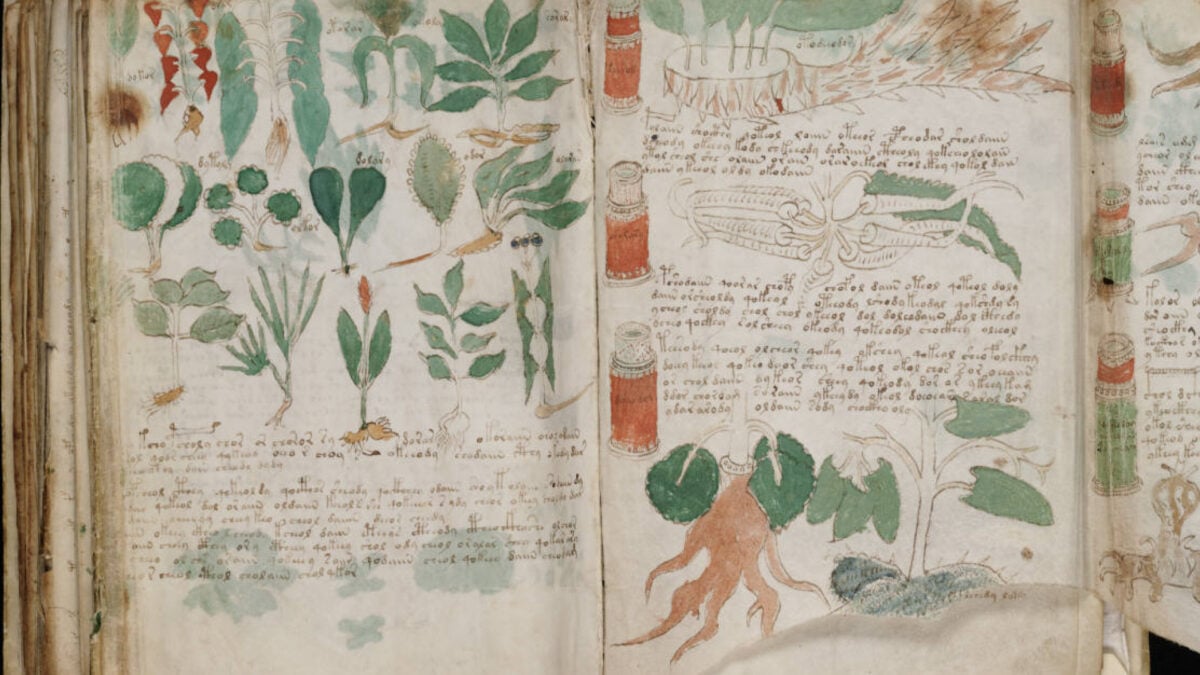
The Voynich Manuscript has baffled scholars, linguists, and codebreakers for over a century. Its strange script, otherworldly illustrations, and unknown language have made it one of history's most enduring mysteries.
What Happened
New evidence published in Digital Medievalist suggests the manuscript was misbound. Researchers say the pages aren't in their original order, which may be why the text resists translation. Using Latent Semantic Analysis, scholars found semantic patterns that only make sense when pages are reordered as stacked bifolia rather than the current quire binding.
Why This Matters
If the pages are indeed out of order, every prior analysis relying on the current sequence must be revisited. The study also reveals that at least five different scribes contributed to the manuscript, challenging the idea of a single genius or madman author and pointing instead to a community of practice.
Key Takeaways
- The Voynich Manuscript may have been misbound, with pages arranged in the wrong order.
- Latent Semantic Analysis helped researchers identify semantic patterns that align when pages are reordered as bifolia.
- At least five different scribes contributed, indicating collaborative rather than solitary authorship.
- Researchers say any prior decoding efforts based on the current page order need reevaluation.
Conclusion
Whether the Voynich Manuscript will ever be fully decoded remains uncertain, but this new framework reframes how we approach it. By questioning the physical order of its pages, scholars are moving closer to understanding the true structure—and meaning—behind this enigmatic codex.








Discussion
Join the conversation
Thoughtful reactions, questions, and follow-up ideas help shape the next story.