Introduction
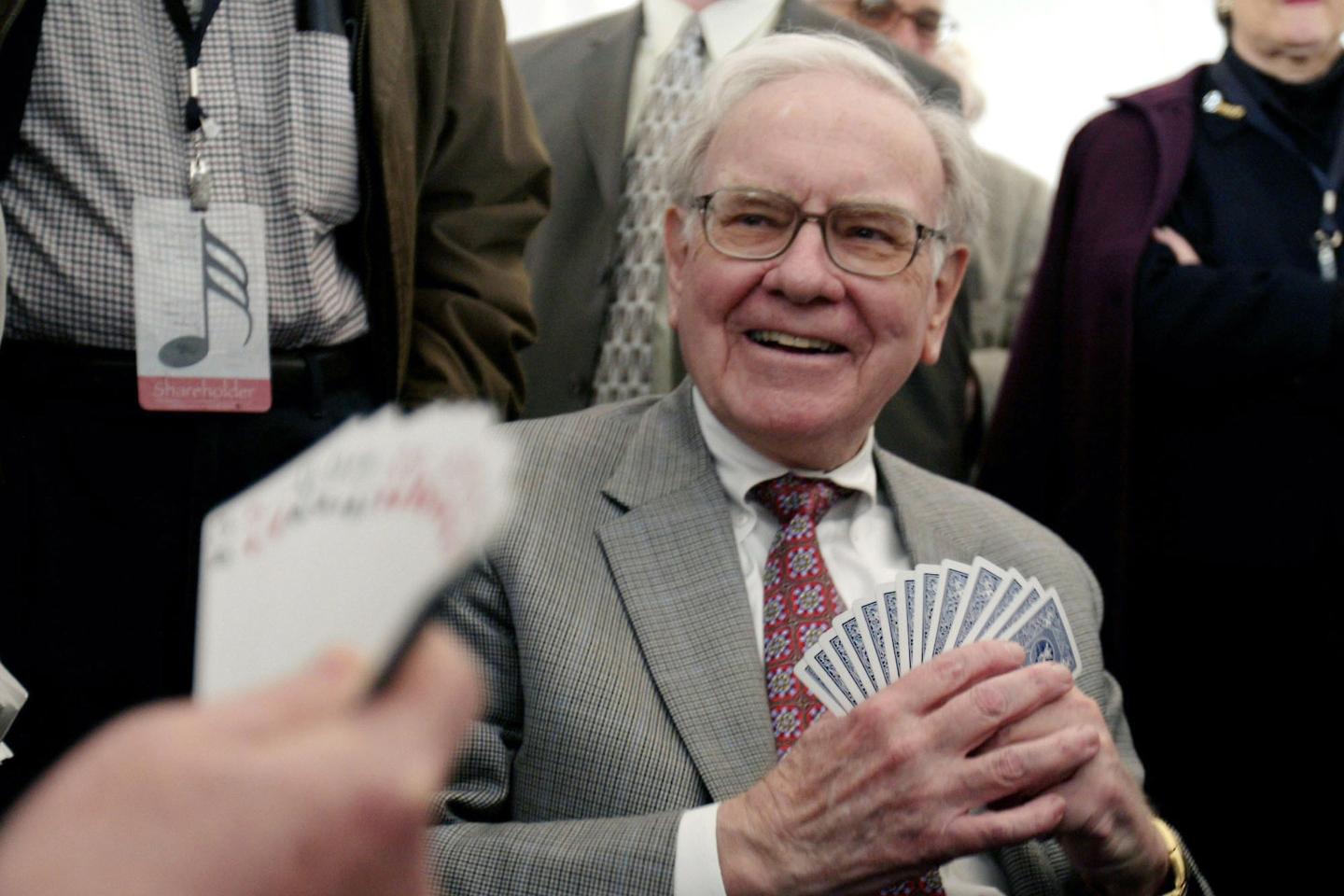
Warren Buffett's investment philosophy of sticking to what you know has become a surprising guide for credit card selection. A TD Bank executive recently argued that the same circle of competence applies when choosing between complex points programs and straightforward cash-back rewards.
What Happened
Chris Fred, head of credit cards and unsecured lending at TD Bank, told Fortune that the industry's trend toward high-annual-fee, category-rich cards often creates more mental work than value for typical spenders. He noted that while premium cards promise elevated rewards in dining, travel, and groceries, the required tracking and strategic card-switching can outweigh benefits. Fred also highlighted the rise of churning, a decades-old practice of opening multiple cards to maximize sign-up bonuses, which he said frequently fails to beat a simple 2% flat-rate alternative.
Why This Matters
For most consumers, the mental math required to optimize rotating category cards can lead to missed benefits or overspending in lower-reward categories. Fred pointed out that cardholders often fail to beat a guaranteed 2% cash-back rate, especially when annual fees push the effective return lower. The article underscores how card issuers design perks and fee structures to increase retention, sometimes at the user's financial advantage.
Key Takeaways
- Simple, flat-rate cash-back cards typically deliver a reliable 2% return on all purchases, eliminating the need for constant category tracking.
- Premium rewards cards with category bonuses often require strategic spending and multiple cards to approach optimal returns, which can backfire if spending shifts.
- Warren Buffett's circle of competence principle suggests consumers should only pursue points churning if they fully understand the risks, fees, and timing involved.
- Annual fees on rewards cards are rising, with some now exceeding $150 for entry-level products, making it harder to justify the cost without heavy usage.
- TD Bank's survey found 79% of consumers seek deals and 72% of cardholders plan to use rewards for holiday spending, indicating widespread reward-conscious behavior.
Conclusion
Whether you're a points enthusiast or prefer a set-it-and-forget-it approach, the best credit card strategy aligns with your spending habits and comfort level with financial management. As Fred's advice suggests, sometimes the most rewarding card is the one that requires the least amount of thought.


Discussion
Join the conversation
Thoughtful reactions, questions, and follow-up ideas help shape the next story.