Introduction
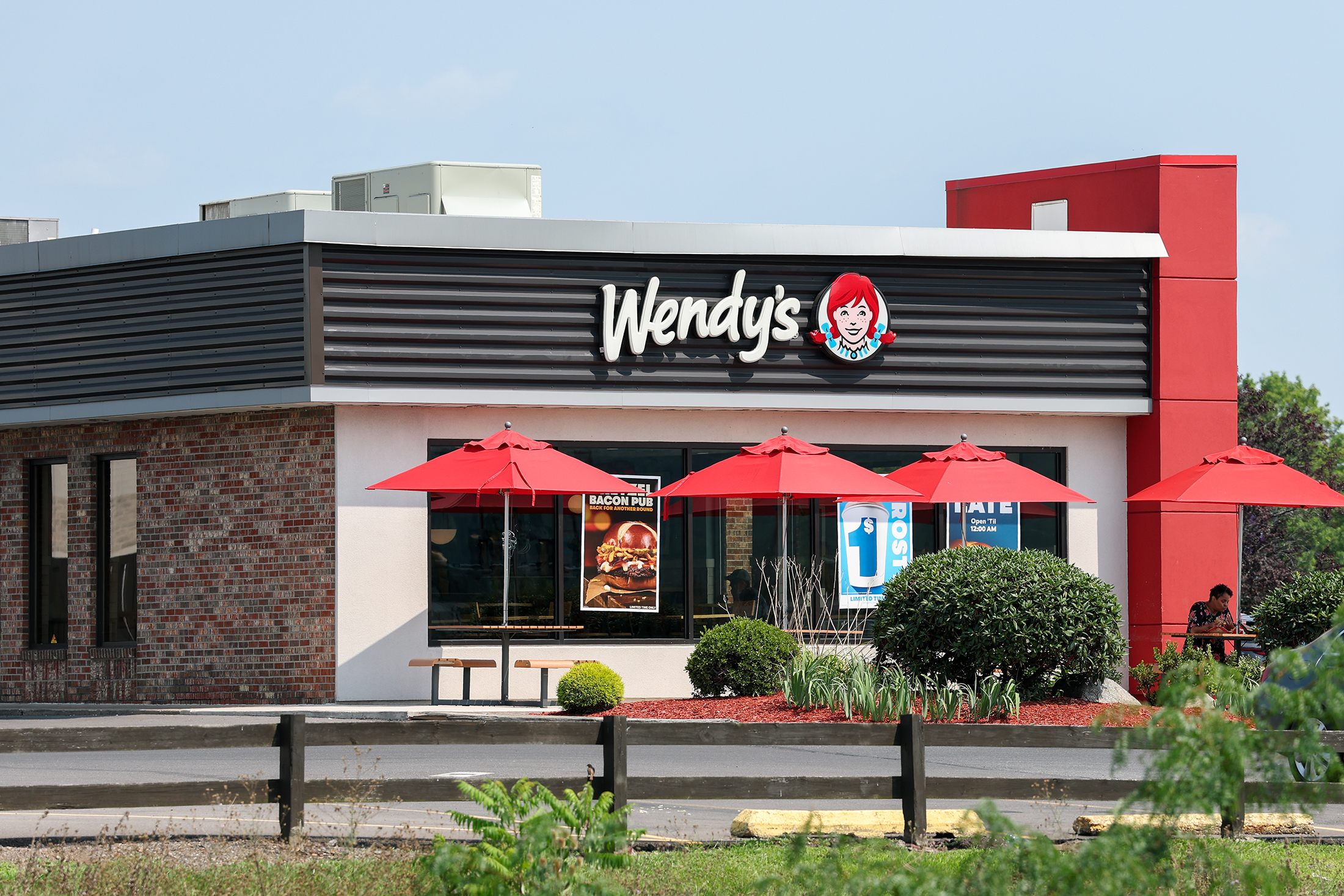
Wendy's has made a firm stand against a major acquisition attempt, turning down a $1.4 billion offer from activist investor Nelson Peltz. The board's decision comes as the company activates a defensive strategy to protect its independence and long-term value.
What Happened
The Wendy's board unanimously rejected Peltz's bid, stating it substantially undervalues the company. In response, the chain adopted a shareholder rights plan, commonly known as a 'poison pill', which triggers if any investor accumulates a 15% stake, allowing other shareholders to purchase discounted shares and dilute the position. Peltz's Trian Fund Management already holds over 16% of Wendy's shares, making the defense directly relevant.
Why This Matters
Poison pill strategies are a common bulwark against hostile takeovers, and Wendy's move signals confidence in its current trajectory. CEO Bob Wright, who joined from Potbelly earlier this year, emphasized the company has the right strategy, execution and resources to turn things around. The decision also arrives alongside plans to close underperforming locations and a noted dip in market share, reflecting broader pressures in the fast-food sector.
Key Takeaways
- Wendy's rejected a $1.4 billion buyout offer from Nelson Peltz, calling it substantially undervaluing.
- The company activated a poison pill plan that activates at a 15% ownership threshold.
- Peltz's group already owns roughly 16.3% of Wendy's shares, triggering the defense.
- CEO Bob Wright reaffirmed confidence in the company's strategy and resources to drive turnaround.
- Wendy's plans to close up to 358 older U.S. restaurants this year.
- The chain's U.S. burger chain sales share declined from 11.5% in 2019 to 10.4% last year, per Technomic.
Conclusion
Wendy's defensive move protects its autonomy while signaling that the board sees value beneath the current stock price. As the company executes its turnaround strategy and evaluates underperforming locations, shareholders and industry watchers will be watching how the poison pill strategy influences future takeover dynamics and operational momentum.
Discussion
Join the conversation
Thoughtful reactions, questions, and follow-up ideas help shape the next story.