Introduction
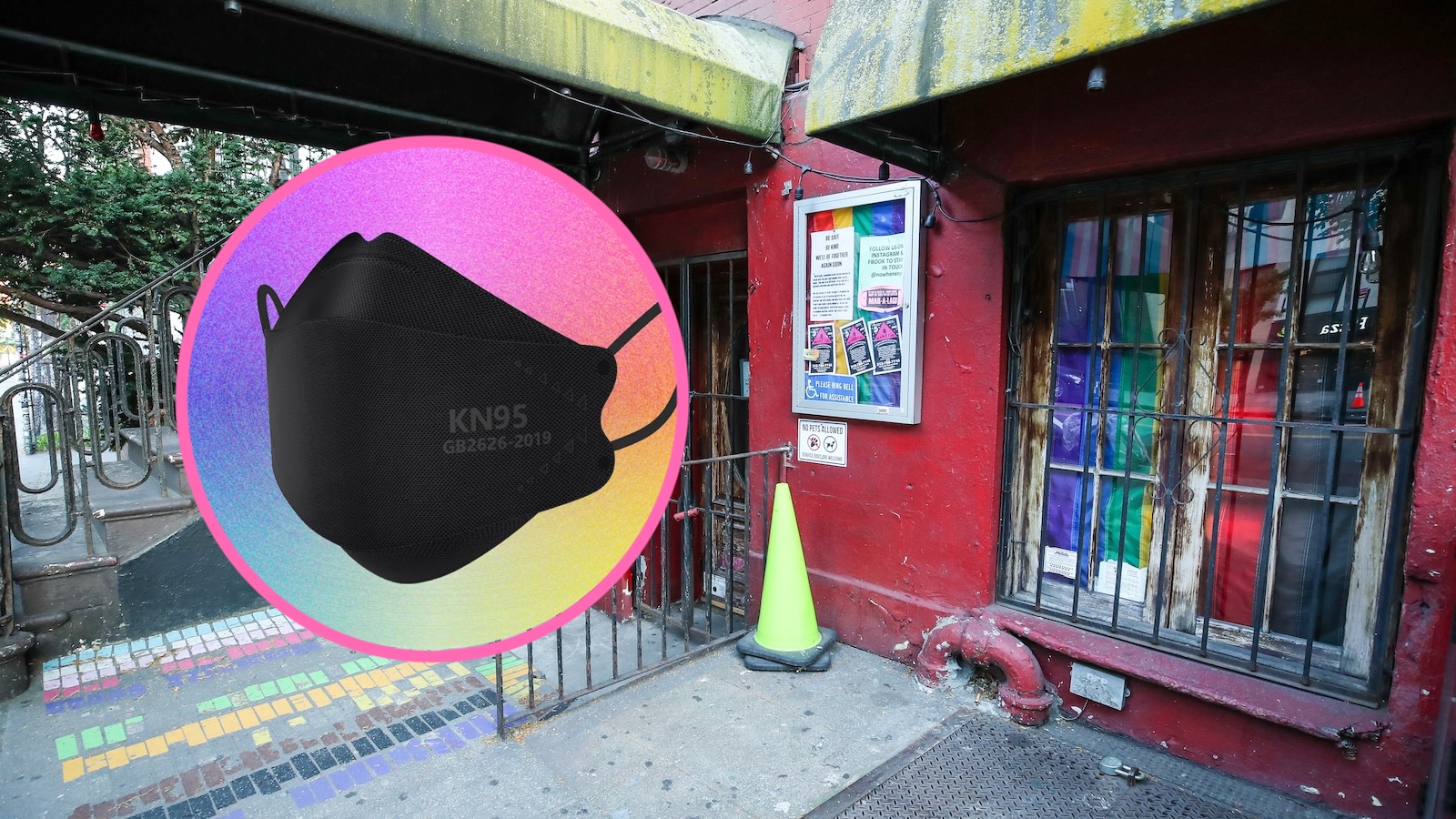
A lesbian bar in western Massachusetts has become a national talking point after its mask policy sparked widespread attention. The venue, known for its inclusive atmosphere, found itself at the center of a debate that quickly spread across social media and mainstream outlets.
What Happened
Last Ditch, a lesbian bar and arts venue in Greenfield, Massachusetts, began requiring well-fitted KN-95 masks at all times when it opened. Owner Jackie Matellian announced on August 31 that Saturday nights would become mask-optional, citing severe financial strain including a $50,000 startup loan, months of unpaid staff, and a landlord demanding $3,900 in back rent. She revealed she had been living in her truck while working multiple jobs to keep the bar afloat. The policy change, however, drew sharp criticism from immunocompromised and disabled patrons, who viewed the move as a betrayal of one of the few COVID safe queer spaces. A community meeting on September 11 featured vocal criticism, including accusations of racism leveled against the owner and a mediator by activist Soe Noire. The Boston Globe's coverage went viral, with readers calling the situation a parody and debating the limits of inclusivity and safety.
Why This Matters
The controversy highlights the tension between public health precautions and business sustainability, especially within LGBTQ+ communities that have long relied on masked gatherings for safety. It also underscores the challenges faced by small queer venues when balancing financial survival with patron needs. The viral reaction reveals how quickly a local story can become a cultural flashpoint, sparking debates about ableism, eugenics concerns, and the true cost of inclusivity in marginalized spaces.
Key Takeaways
- Last Ditch's mask policy became a national flashpoint for debates around too woke culture.
- The owner's financial struggles reveal the precarious reality of running a small LGBTQ+ venue.
- Patron backlash centered on disability rights and the preservation of safe, masked spaces.
- The Boston Globe's coverage amplified the story, turning a local issue into a viral conversation.
- The situation illustrates the difficulty of balancing health protocols with economic viability for queer businesses.
Conclusion
What began as a local safety measure at a western Massachusetts lesbian bar has evolved into a broader conversation about the intersection of health, identity, and entrepreneurship. As Last Ditch navigates the fallout, the story serves as a reminder of the complex trade-offs faced by marginalized communities when navigating public expectations, financial pressure, and the need for inclusive, safe spaces. Readers following the case should watch for how the bar adapts its policies and whether the community's dialogue leads to lasting changes in how queer venues approach safety and sustainability.


Discussion
Join the conversation
Thoughtful reactions, questions, and follow-up ideas help shape the next story.