Introduction
Denisovans have long remained one of our most enigmatic ancient relatives. New fossil and protein evidence now offers a rare glimpse into what these mysterious humans may have looked like, finally putting a face to a name that has puzzled scientists for years.
What Happened
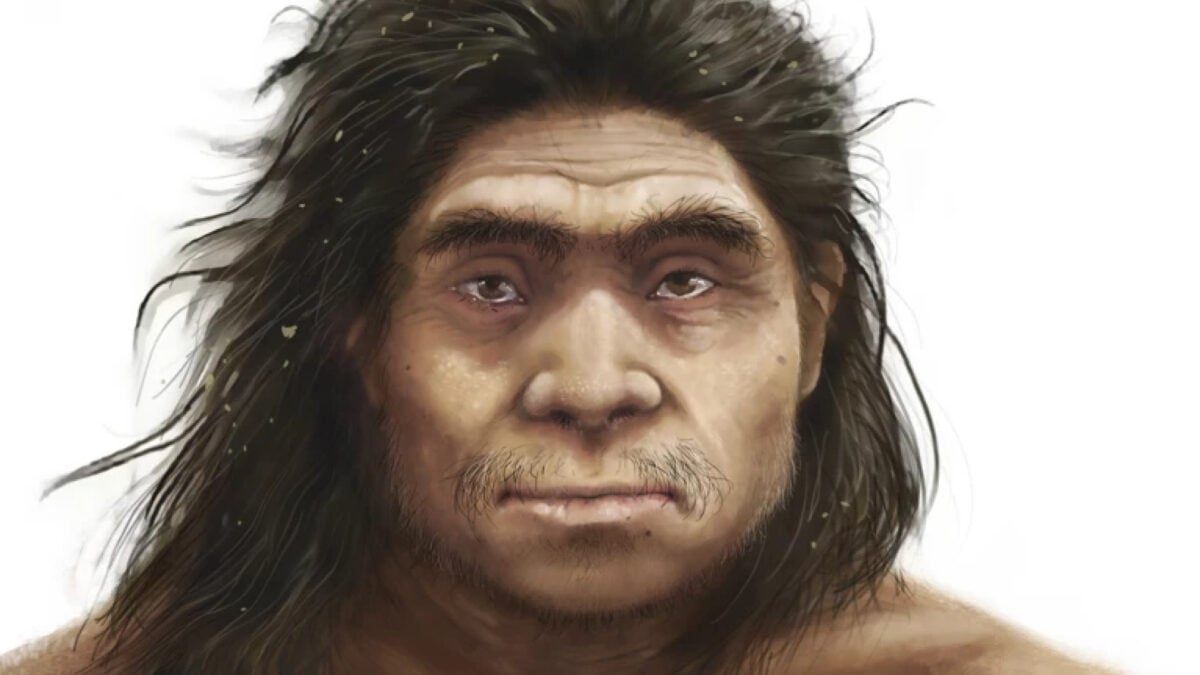
Chinese research teams recently reported the analysis of 20 fossils from Xujiayao, a paleoanthropological site in eastern China. The remains, dated between 138,000 and 199,000 years old, were identified as Denisovan through proteomic testing. Scientists examined cranial traits such as skull shape, eye socket structure, brow ridge size, and jaw projection to build a probable facial profile.
Why This Matters
For years, Denisovan anatomy was known only from a handful of bones and genetic data. This study combines protein analysis with morphological comparison to reconstruct facial features, revealing a mix of Neanderthal-like and uniquely ancient traits. The work highlights how proteomics can recover biological detail even when DNA has degraded, expanding our ability to place fragmented fossils in the human family tree.
Key Takeaways
- Denisovan remains confirmed at Xujiayao via protein analysis, dated to the late Middle Pleistocene.
- Reconstructed facial traits include a low cranial profile, rectangular eye sockets, a prominent brow ridge, flat cheekbones, and a jaw that projects slightly forward.
- The features show both shared ancestry with Neanderthals and distinct differences, helping separate Denisovan fossils from other human species.
- Proteomic analysis proved essential, allowing researchers to identify and reconstruct the specimen despite the absence of well-preserved DNA.
- The study challenges the notion that East Asia was a genetically chaotic region during the Middle Pleistocene, offering a clearer picture of Denisovan presence and variation.
Conclusion
While the exact appearance of a Denisovan may still be refined with future discoveries, the overall picture is clear: our extinct relatives were biologically diverse, adaptable, and as distinct from one another as modern human populations. Continued research will keep reshaping the portrait, but this discovery marks a major step toward understanding our ancient cousins.





Discussion
Join the conversation
Thoughtful reactions, questions, and follow-up ideas help shape the next story.