Introduction
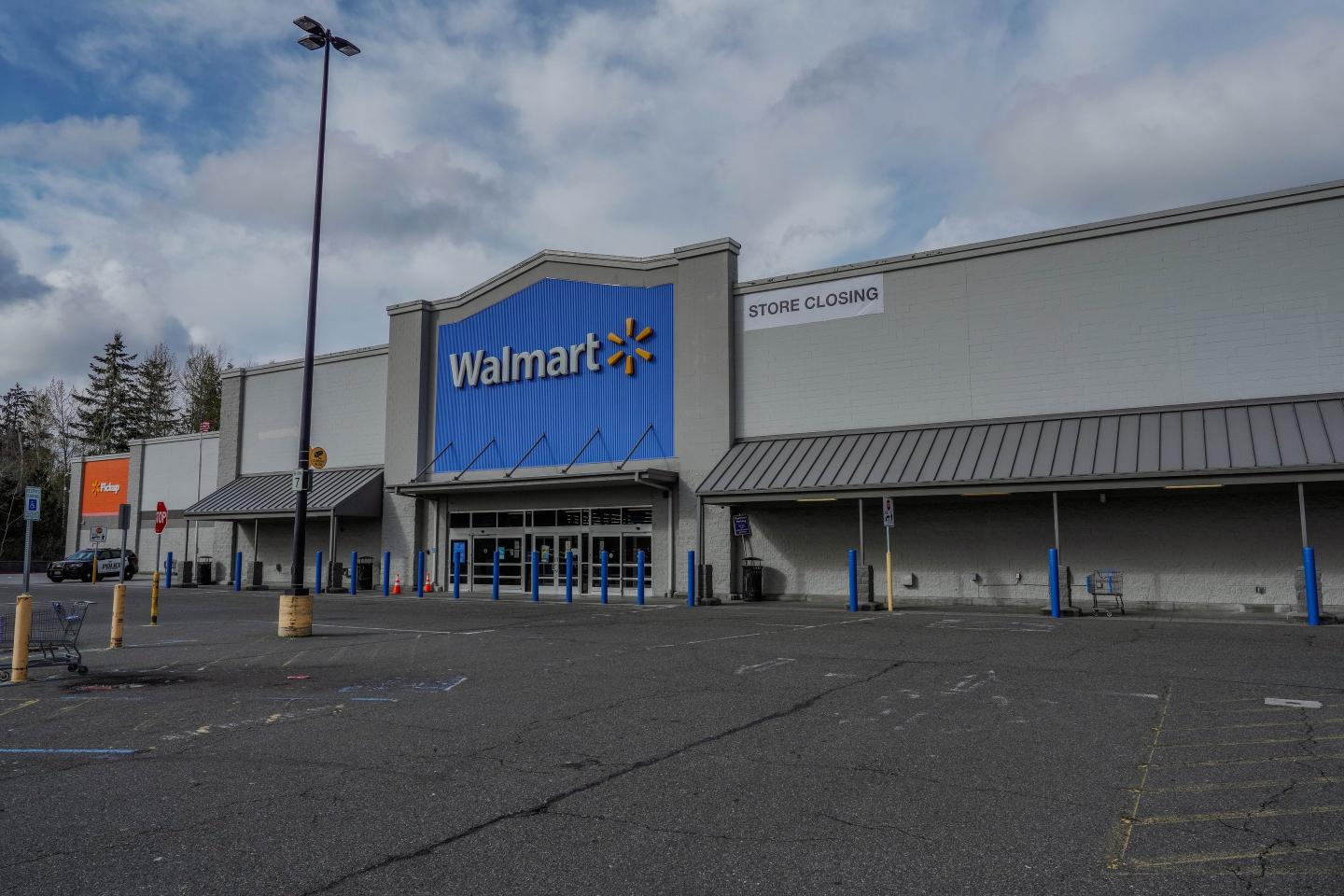
When a Walmart location shuts its doors, the immediate reaction is often mixed. Critics of the retail giant may expect nearby shops to thrive, assuming displaced shoppers will simply head to stores nearby. But new research from marketing scholars suggests the opposite can happen: businesses surrounding a closed Walmart frequently experience a significant drop in both foot traffic and sales, sometimes losing roughly a quarter of their performance within a year.
What Happened
Researchers tracked 39 Walmart closures spanning 20 states from 2019 through 2026. They compared nearby non-Walmart businesses against similar stores located near Walmart locations that remained open. The results showed a steady decline rather than a one-time dip. In the first month after closure, nearby stores saw about a 5% decrease in traffic and revenue. By the second month, that figure rose to roughly 6%. The downward trend continued, reaching approximately 17% by month nine and about 20% after one full year.
Importantly, the data indicates fewer people were visiting the area at all, not just that the same shoppers were spending less per trip. The loss of Walmart as a destination appears to shrink the total pool of potential customers for surrounding businesses.
Why This Matters
Retailers and commercial landlords often treat a store closure as an isolated event. This research shows it can create ripple effects throughout a shopping district. Economists describe this as an agglomeration effect: a large anchor store draws people to an area, and those visitors often stop at neighboring restaurants, pharmacies, salons, and specialty shops. When the anchor leaves, the competitive advantage of having one less rival can be outweighed by the loss of shared foot traffic.
The findings also highlight an economic externality. A retailer decides to close based on its own financial performance, but neighboring businesses bear part of the cost even though they have no say in the decision. For property owners, losing an anchor tenant can reduce demand across an entire portfolio, not just leave a single storefront empty.
Key Takeaways
- Nearby businesses experienced roughly a 25% decline in monthly shopper traffic and sales revenue one year after a Walmart closure.
- The drop worsened over time, starting at about 5% in the first month and reaching 20% after 12 months.
- Stores that directly competed with Walmart, such as grocery retailers, tended to hold up better than businesses offering unrelated goods or services.
- Well-known national brands generally fared better than unbranded local shops, likely because they can attract customers on their own.
- Businesses with stronger online sales channels were less dependent on physical foot traffic and saw smaller declines.
- Replacing a closed anchor quickly matters, but the replacement must also be capable of drawing shoppers to the area.
Conclusion
A Walmart closure does not automatically send shoppers to the store next door. Instead, it can remove a key reason for people to visit a commercial district in the first place, leaving neighboring businesses with fewer customers even as they face less direct competition. Retailers, landlords, and local economic development leaders should plan for anchor departures by focusing on how to restore overall destination appeal, not just how to fill a vacant space.
Discussion
Join the conversation
Thoughtful reactions, questions, and follow-up ideas help shape the next story.