Introduction
A tech writer recently admitted he got the story backwards. In a widely shared post, he argued that AI companies were hitting the brakes because they'd run out of clean training data. The reality, he now says, is far more strategic and has nothing to do with fuel tanks or data limits.
What Happened
The original piece leaned on projections from Epoch AI and the widely publicized data wall hypothesis. It suggested that frontier models were slowing down because the public internet had been scraped dry, and that synthetic training data posed collapse risks. But the author has walked back that explanation, pointing to a leaked Google memo that shifted the focus entirely.
Why This Matters
What emerged from the leaked document and subsequent industry analysis is a calculated effort to use regulatory language as a moat. By framing concerns around safety, policymakers and labs can erect barriers that only deep-pocketed corporations can clear. The result is a structural advantage for closed ecosystems and a chilling effect on the open-source community that has been driving rapid, cost-effective innovation.
Key Takeaways
The article outlines three specific mechanisms being pushed to neutralize open-weight models. Compute thresholds would require security clearances and third-party audits for any model above a certain size. Downstream strict liability would hold original developers responsible for any misuse of a model after it has been downloaded. And mandatory kill switches would effectively outlaw decentralized deployment by requiring a remote off-switch that does not exist for local model files.
Conclusion
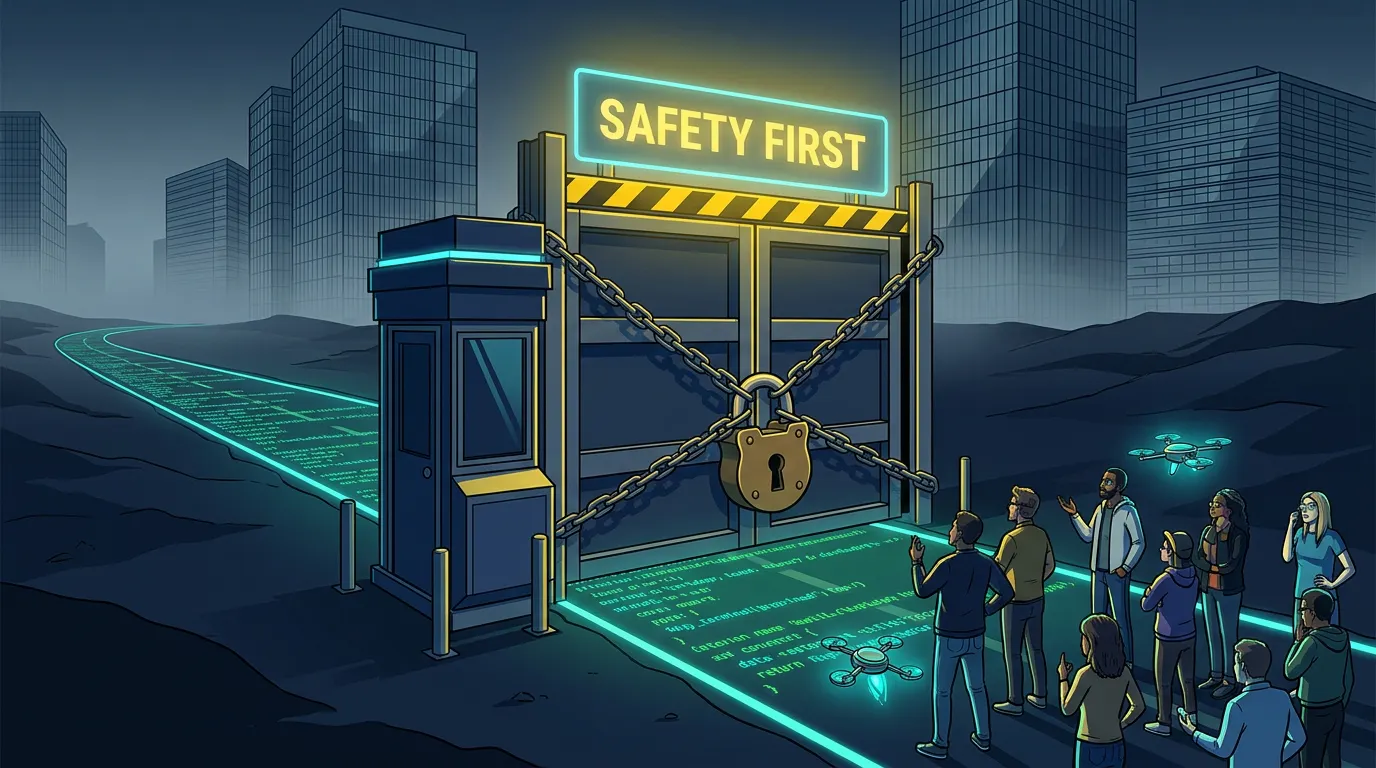
Beyond the technical and legal maneuvers, the piece argues the whole push comes down to money. Hardware makers and cloud providers are printing profits, while the labs building the models are bleeding cash. When a company's business model depends on toll booths and exclusive API access, open-source competition is not just inconvenient, it is existential. The author's correction reframes the entire debate: it was not about empty fuel tanks, it was about welding the gate shut.



Discussion
Join the conversation
Thoughtful reactions, questions, and follow-up ideas help shape the next story.