Introduction
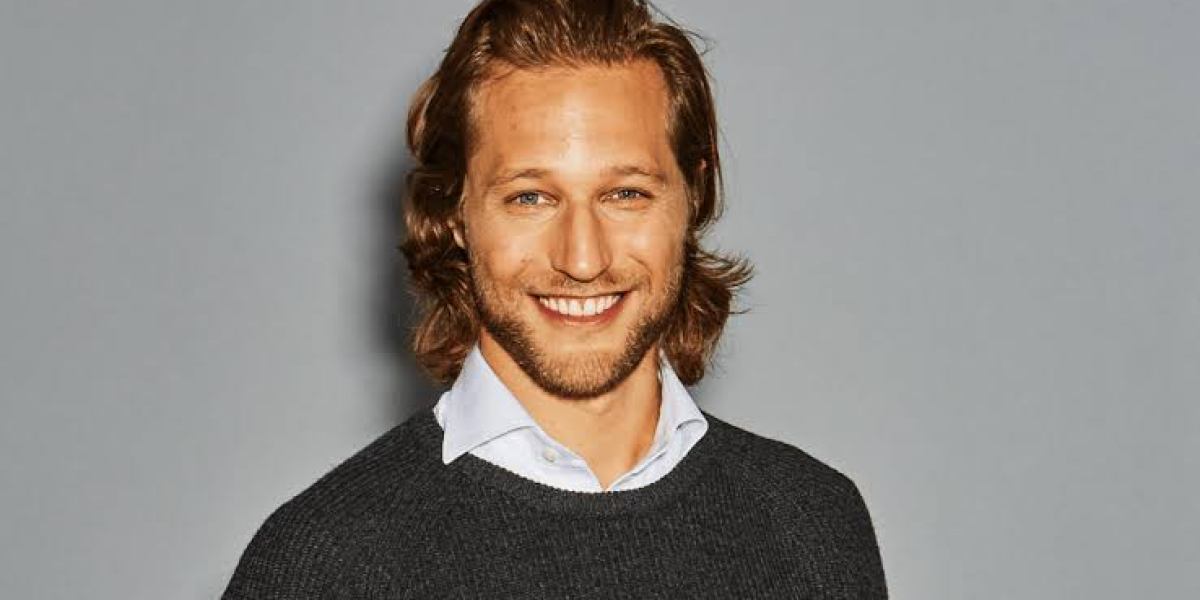
Giorgos Tsetis, who built a billion-dollar supplement brand, argues that personal legal accountability should follow AI executives just as it did in the products he once sold. His experience taught him that when a leader's name is on the line, safety becomes a non-negotiable priority.
What Happened
Tsetis recounts how personal liability kept him vigilant, driving rigorous product testing and consumer protection. Today, he invests in cutting-edge AI firms, yet he notes a stark gap: AI leaders operate behind corporate veils, facing only corporate fines that amount to a simple line item—not personal consequence.
Why This Matters
AI now powers power grids, hospitals, and classrooms, meaning a single failure can cascade across cities or nations. Unlike a consumer supplement, AI is woven into critical infrastructure, and its creators can reap billions while avoiding personal risk. This imbalance, Tsetis warns, is indefensible given the technology's breadth and its potential for uncontrolled outcomes.
Key Takeaways
- Personal liability forces leaders to identify and test risks before they become crises.
- Voluntary safety frameworks and industry accords fall short of enforceable accountability.
- When executives face personal stakes, public trust strengthens and innovation proceeds responsibly.
Conclusion
Tsetis concludes that AI's transformative power comes with extraordinary risk, and accountability must match. Named senior executives should bear personal responsibility for safety decisions, ensuring the race to lead doesn't come at everyone else's expense.




Discussion
Join the conversation
Thoughtful reactions, questions, and follow-up ideas help shape the next story.