Introduction
American voters delivered a blunt message in the 2026 midterm elections: they want lower costs, affordable housing, accessible healthcare, and an end to costly foreign conflicts. While that verdict was aimed at the party currently in power, the opposition cannot afford to ignore it. A Washington-based political commentator argues that if Democrats simply return to business as usual, they risk another difficult cycle in 2028. The solution, according to the piece, is not just new policies but new people at the top of the party.
What Happened
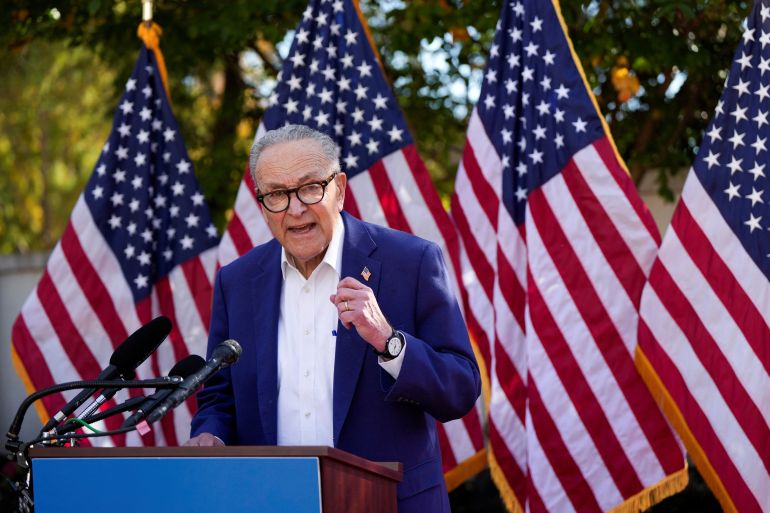
The article centers on a call for Senator Chuck Schumer to step down as Senate Democratic leader. Schumer, who has spent nearly five decades in elected office, recently addressed supporters after Democrats reclaimed the Senate majority. The author acknowledges Schumer’s experience and recent gains but contends that longevity alone is not enough to lead the party forward. The op-ed suggests that veteran lawmakers should make room for newer members who have connected with voters through a message focused on everyday economic struggles.
The piece also points to broader internal tensions. It notes that some Democrats are questioning the influence of major donors and interest groups, including organizations like AIPAC, on party priorities—especially regarding U.S. policy toward Israel and the Middle East. Younger progressives and democratic socialists are raising fundamental questions about why housing remains expensive, why medical debt persists, and why powerful interests often appear to receive priority over ordinary workers.
Why This Matters
The stakes extend well beyond one leadership vote. Independent voters, some of whom backed Donald Trump in 2024 and others who supported Democrats in the most recent midterms, have not pledged permanent loyalty to either party. If Democrats fail to deliver tangible improvements in people’s daily lives, those voters have little reason to stay in 2028.
The author argues that leadership determines the legislative agenda—deciding which bills receive votes, whose ideas are heard, and which battles the party chooses to fight. Simply saying “make life affordable” is insufficient. The piece urges Democrats to introduce concrete legislation targeting prescription drug prices, healthcare access, affordable housing, first-time homebuyers, and price gouging, while being transparent about costs and benefits.
Key Takeaways
- Voters in the 2026 midterms signaled strong demand for change on affordability and foreign policy.
- The op-ed argues Senator Chuck Schumer should step aside as Senate Democratic leader after nearly 50 years in office.
- Newer voices are needed to connect with voters on rent, groceries, healthcare, and war.
- Internal debates over donor influence and Middle East policy are reshaping the party’s priorities.
- Democrats must pass specific, well-explained legislation—not just slogans—to keep independent voters ahead of 2028.
Conclusion
Changing a leader will not instantly lower grocery bills or erase medical debt, but leadership sets the tone and direction for a party. The author concludes that Schumer deserves credit for his service and for recent Senate victories, yet the Democratic Party needs a fresh voice and renewed energy to pursue an ambitious agenda. Without real change in people’s lives—and leaders willing to fight for it—voters may look elsewhere when the next election arrives.
Discussion
Join the conversation
Thoughtful reactions, questions, and follow-up ideas help shape the next story.