Introduction
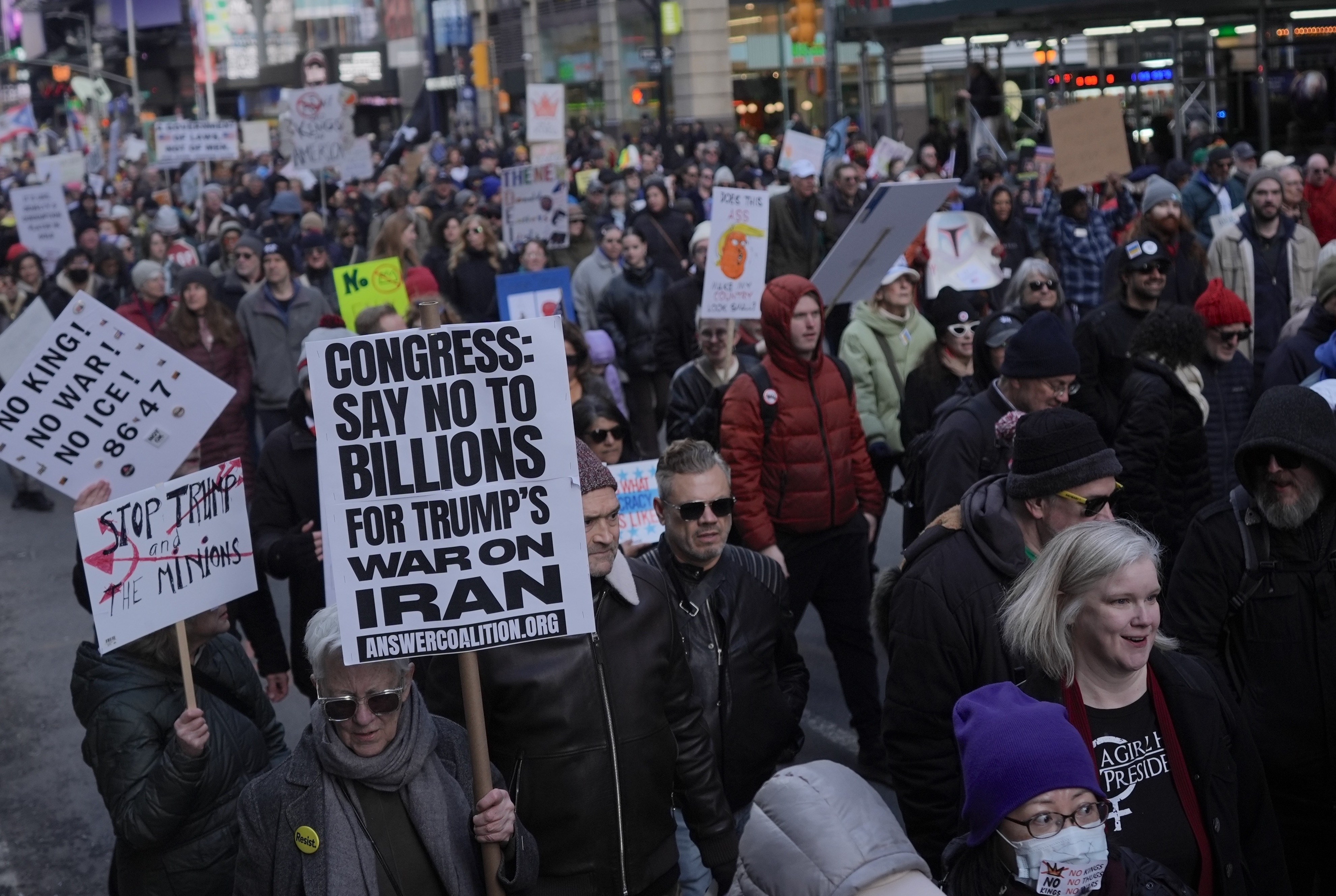
The absence of massive street protests against the U.S.-led Iran conflict might seem surprising given the war's unpopularity. Yet the form of resistance has shifted dramatically from the march-heavy model of past wars to something more decentralized and embedded in daily life.
What Happened
Since the Iran conflict escalated, the anticipated wave of million-person marches has not materialized. Historical comparisons to the pre-Iraq War protests of 2003 feel distant. Instead, resistance has taken shape through highway sign brigades, swift-response support coalitions, and community defense groups that activate quickly when military or immigration enforcement presence intensifies. Organizers are rethinking tactics in an era of constant media saturation and political repression.
Why This Matters
Traditional weekend rallies often convene when elected officials are off duty, rendering them easy to ignore. The piece argues that strategic disruption—stopping traffic, targeting economic choke points, and building sustained community power—carries more weight than performative gatherings. It also underscores the human cost: billions in war spending, civilian casualties, and the chilling effect of labeling dissent as terrorism.
Key Takeaways
- Protest tactics are evolving from mass marches to decentralized, long-term community resistance.
- The financial burden of the Iran war exceeds $40 billion and rising, directly impacting household energy and fuel costs.
- Historical precedent shows that while marches raise awareness, sustained organizing drives policy shifts.
- Legal repression and anti-terrorism labels increasingly target anti-war activists and protesters.
- Highway visibility actions and rapid-response networks are becoming the new frontlines of opposition.
Conclusion
The lack of traditional protests doesn't signal apathy—it signals a transformation in how people resist. Whether through blockades, community defense, or sustained digital and on-the-ground organizing, the movement against the Iran war is adapting. The challenge ahead is ensuring that resistance remains strategic, inclusive, and resilient despite mounting pressure.
Discussion
Join the conversation
Thoughtful reactions, questions, and follow-up ideas help shape the next story.