Introduction
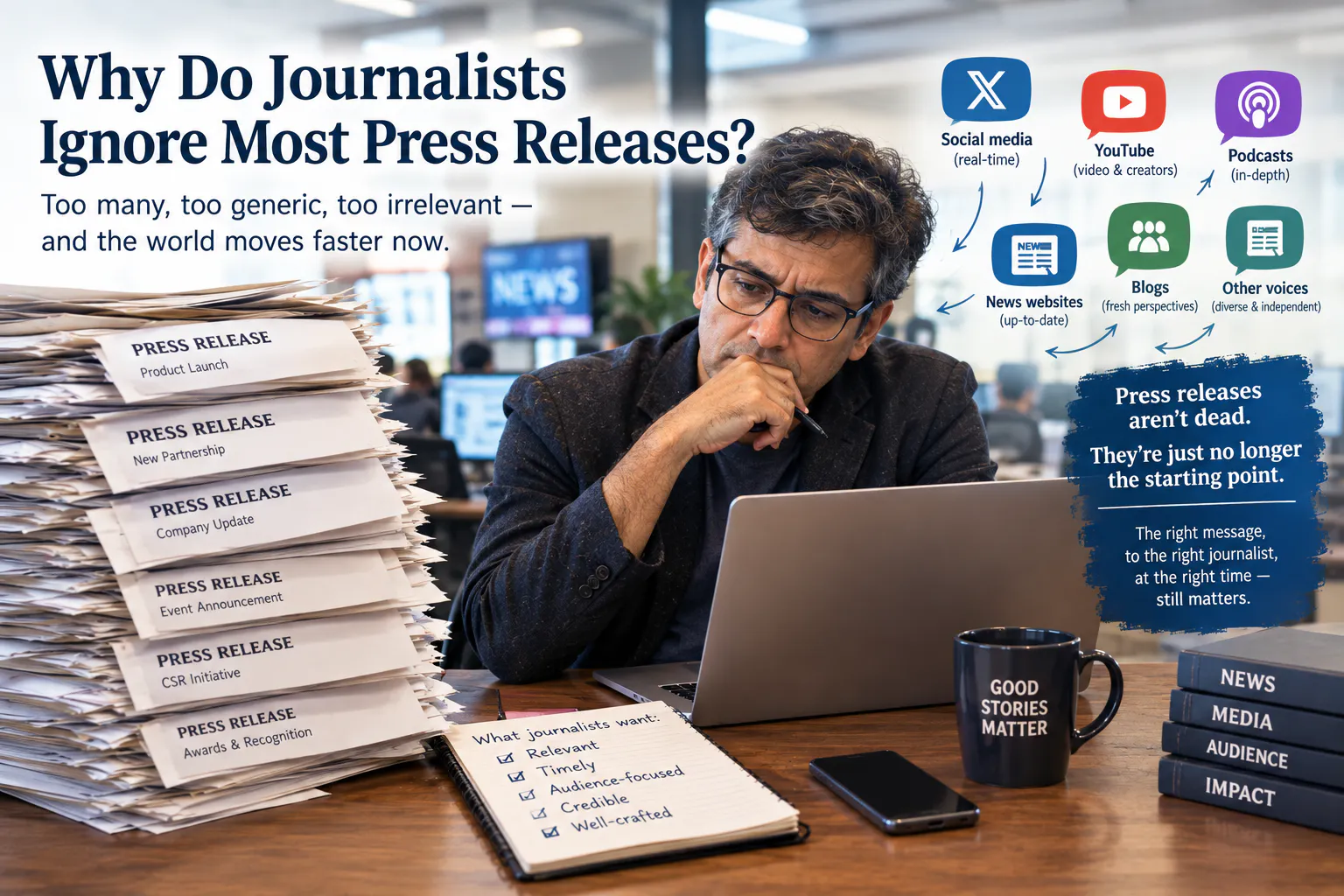
Press releases have long been a cornerstone of public relations, yet a 2025 survey reveals that 90 percent of distributed releases are deemed not newsworthy by the journalists who receive them. This significant gap raises important questions about distribution practices and relevance in today's fast-paced media landscape.
What Happened
The article identifies four key reasons why journalists ignore press releases. First, failing to target the right beat sending a sports car announcement to a healthcare journalist guarantees dismissal. Second, focusing on the product rather than the audience's actual needs. Third, sending generic, unpitched releases that don't align with a specific journalist's interests. Fourth, the declining relevance of traditional press releases in an era of real-time news, where a single tweet can convey the essential information instantly.
- Not targeting the right beat. Sending a press release about a new sports car to a healthcare journalist guarantees dismissal. Beat alignment is fundamental, yet often overlooked.
- Focusing on the product rather than the audience. PR professionals prioritize client coverage, but journalists prioritize reader value. A release must answer why this matters to the audience rather than just what is being launched.
- Not customizing the pitch. Generic one-size-fits-all releases fail because they don't speak to a journalist's specific interests or beat. Research and personalization are essential.
- The declining relevance of the traditional press release. In an era of real-time news and social media, the static press release feels dated. While still useful for formal announcements, it's no longer the primary conduit for breaking news.
Why This Matters
When press releases miss the mark, both sides lose. Journalists waste time sifting through irrelevant content and brands miss earned media opportunities. Understanding why releases are ignored helps PR teams shift from mass distribution to strategic engagement, increasing the chances of actual coverage and building stronger media relationships.
Key Takeaways
- Always research and target the specific beat before sending a release.
- Frame the story around the journalist's audience not just the client's product.
- Customize every pitch to reflect the outlet's focus and the reporter's interests.
- Recognize that press releases still serve a purpose for formal announcements but real-time channels often deliver news faster.
Conclusion
The era of spray-and-pray press distribution is effectively over. Modern media engagement requires research personalization and a clear understanding of what journalists actually need. By aligning content with beat audience and timing PR professionals can transform press releases from ignored documents into genuine news opportunities.


Discussion
Join the conversation
Thoughtful reactions, questions, and follow-up ideas help shape the next story.