Introduction
OPay, the Nigerian payments giant, came close to making history as one of Africas largest technology listings on the New York Stock Exchange. What began with fanfare, a $4 billion valuation, a $304 million share sale, and a ceremonial opening bell ended in silence. Hours after pricing, the underwriting syndicate withdrew, leaving the deal dead in the water.
What Happened
OPay priced 16 million American Depositary Shares at $19 each, the bottom of its marketed range. Within hours, indicative bids slumped to between $16.25 and $16.75, prompting the NYSE to halt trading. The underwriting team ultimately walked away the next morning, citing an abundance of caution over an undisclosed foreign regulatory inquiry. The collapse also halted a planned $200 million private placement and put OPays dual listing on the Nigerian Exchange on hold.
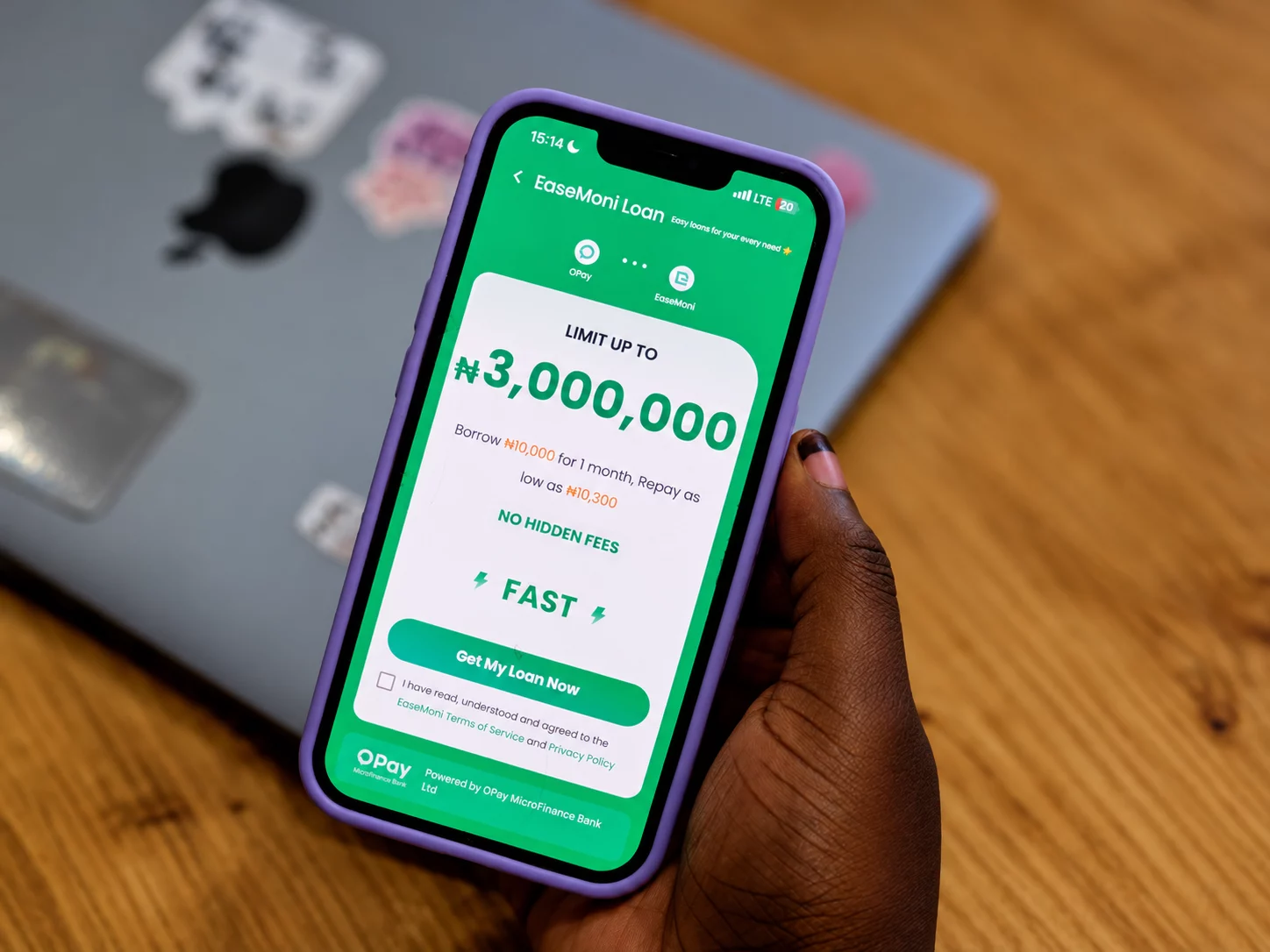
The companys prospectus revealed a business heavily weighted toward digital lending, which generated $260 million of its $536 million 2025 revenue. Nearly half of that lending book required $121.3 million in credit loss allowances, with a further $118.4 million set aside in the first half of 2026. Combined with $533 million in short-term treasury investments, much of it in Nigerian funds, the IPO asked investors to evaluate a company that moves beyond payments into credit risk and asset-market exposure.
Why This Matters
The failed listing exposes a fundamental tension in how African fintechs are packaged for international investors. OPay is incorporated in the Cayman Islands, managed from Singapore, and backed by SoftBank, yet 89.5% of its operating revenue still comes from Nigeria. An inquiry in one jurisdiction, or a missing domestic clearance, can stall a transaction thousands of miles away. For investors, the offshore structure is not a shield its a spotlight on where the business actually earns regulates and faces risk.
Beyond payments, OPays lending arm brings a different risk profile. Digital loan financing is exposed to borrower default, and the companys treasury holdings tie its performance to Nigerias local asset markets. This is a different proposition from the asset-light software narratives that typically command premium tech valuations on Wall Street.
Key Takeaways
- Regulatory risk in any jurisdiction where a company operates can derail international listings, regardless of offshore incorporation.
- Revenue concentration here 89.5% from Nigeria creates vulnerability that global investors closely scrutinize.
- Lending and treasury investments introduce financial complexities beyond typical payments-platform valuations.
- Underwriters typically require clean closing conditions a regulatory inquiry can serve as a contractual trigger to walk away.
- For African fintechs eyeing Wall Street transparency about local exposure and risk management is essential to building investor confidence.
Conclusion
OPays aborted IPO does not mean African fintechs cannot attract international capital, but it does show that a Cayman incorporation or Singapore headquarters does not erase the realities of the market where the business operates. For companies aiming to go public abroad the path requires more than valuation hype it demands clear risk disclosures diversified revenue streams and a thorough understanding of how local regulations ripple through global markets.








Discussion
Join the conversation
Thoughtful reactions, questions, and follow-up ideas help shape the next story.