Introduction
The latest round of U.S.-mediated discussions between Russia and Ukraine in Abu Dhabi has drawn global attention, but the optics of diplomacy may be masking a harder reality. While a rare humanitarian operation in the occupied town of Oleshky offered a glimmer of cooperation, Moscow’s broader strategy appears unchanged. This analysis looks at why the Abu Dhabi negotiations are unlikely to produce a durable settlement and what Russia’s calculations reveal about the war’s next phase.
What Happened
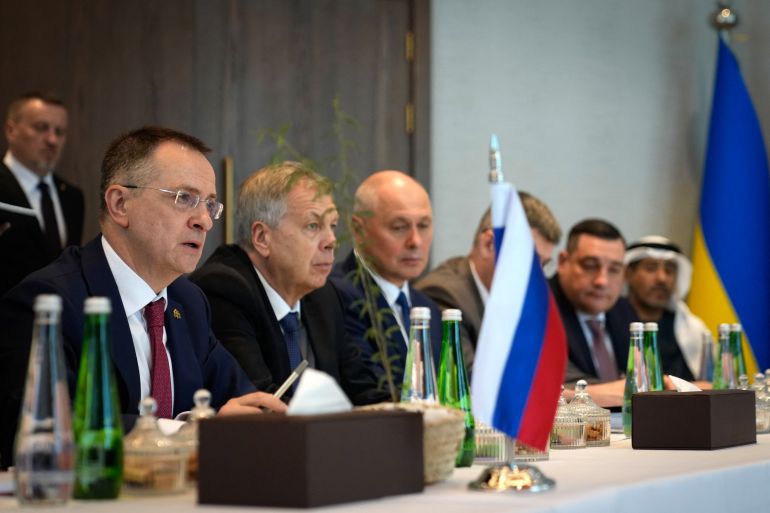
On November 10, 2026, Russian and Ukrainian officials met in the Emirati capital under American mediation, with discussions set to continue the following day. The talks came shortly after a successful civilian evacuation from Oleshky, a southern Ukrainian community under Russian control since 2022. Following a severe food crisis that intensified during the summer of 2026, Ukrainian and Russian intelligence services arranged a temporary local ceasefire. Hundreds of residents departed, most heading to Ukrainian territory, while human rights representatives from both sides coordinated the relief effort.
The Russian delegation was led by Vladimir Medinsky, a senior aide to President Vladimir Putin who also headed Moscow’s negotiating teams in Istanbul in 2022 and 2025. He was joined by military and intelligence officials, including GRU Director Igor Kostyukov and Alexander Zorin from the General Staff’s information directorate.
Why This Matters
The Oleshky evacuation was a genuine humanitarian achievement, but it does not signal a shift in Moscow’s political objectives. The author argues that Russia’s cooperation was driven more by a desire to court former U.S. President Donald Trump than by any commitment to peace. The White House credited First Lady Melania Trump with initiating the ceasefire talks, a narrative Russia embraced even though Ukrainian and Russian intelligence channels had already been working on the arrangement.
For Putin, appearing cooperative in Abu Dhabi could deepen Trump’s skepticism toward Ukrainian President Volodymyr Zelenskyy and reinforce the idea that Kyiv, not Moscow, is obstructing an end to the war. In this view, engagement is being used as leverage to continue the conflict under more favorable conditions, not to end it.
Medinsky’s presence further underscores the continuity of Russia’s demands. His leadership of the delegation suggests Moscow’s terms remain what they were during the Istanbul rounds: nothing short of Ukrainian capitulation. Kyiv has rejected that outcome before and has no reason to accept it now. The author also notes that U.S. military stockpiles have been strained by other conflicts, creating gaps in air-defense supplies for Ukraine, while political shifts in Europe could further erode Western support.
Key Takeaways
- Abu Dhabi hosted U.S.-brokered Russia-Ukraine talks beginning November 10, 2026, following a humanitarian evacuation in Oleshky.
- The Oleshky ceasefire allowed hundreds of civilians to leave an occupied town, but it was a local arrangement, not a peace breakthrough.
- Russia’s delegation is led by Vladimir Medinsky, indicating that Moscow’s negotiating position has not changed since 2022.
- Putin appears to believe Russia can outlast Western military and financial support for Ukraine.
- Political shifts in Europe, including France’s 2027 presidential election and the rise of pro-Russian parties in Germany, are part of Moscow’s long-term calculation.
- Humanitarian cooperation does not equal political compromise; Russia still frames the war’s only acceptable end as Ukraine’s surrender.
Conclusion
The talks in Abu Dhabi may keep diplomatic channels open, but they should not be mistaken for a peace process. Russia’s behavior points to a strategy of endurance: wait for Western unity to fracture, exploit political transitions in the United States and Europe, and preserve the option to continue the war on its own terms. Until Moscow’s fundamental demands change, humanitarian gestures and negotiation tables will remain tools of pressure rather than pathways to peace.
Discussion
Join the conversation
Thoughtful reactions, questions, and follow-up ideas help shape the next story.