Introduction
Scroll through Instagram or TikTok after the 2026 midterm elections and you will likely encounter a surprising phenomenon: voters openly admiring the appearance of newly elected Democratic men. From edited fan montages to parody magazine covers, the internet has turned several freshman lawmakers into unexpected heartthrobs. While the posts may seem lighthearted, party strategists and political observers say the trend reflects a deliberate effort to remake the Democratic image and appeal to men who previously felt alienated.
What Happened
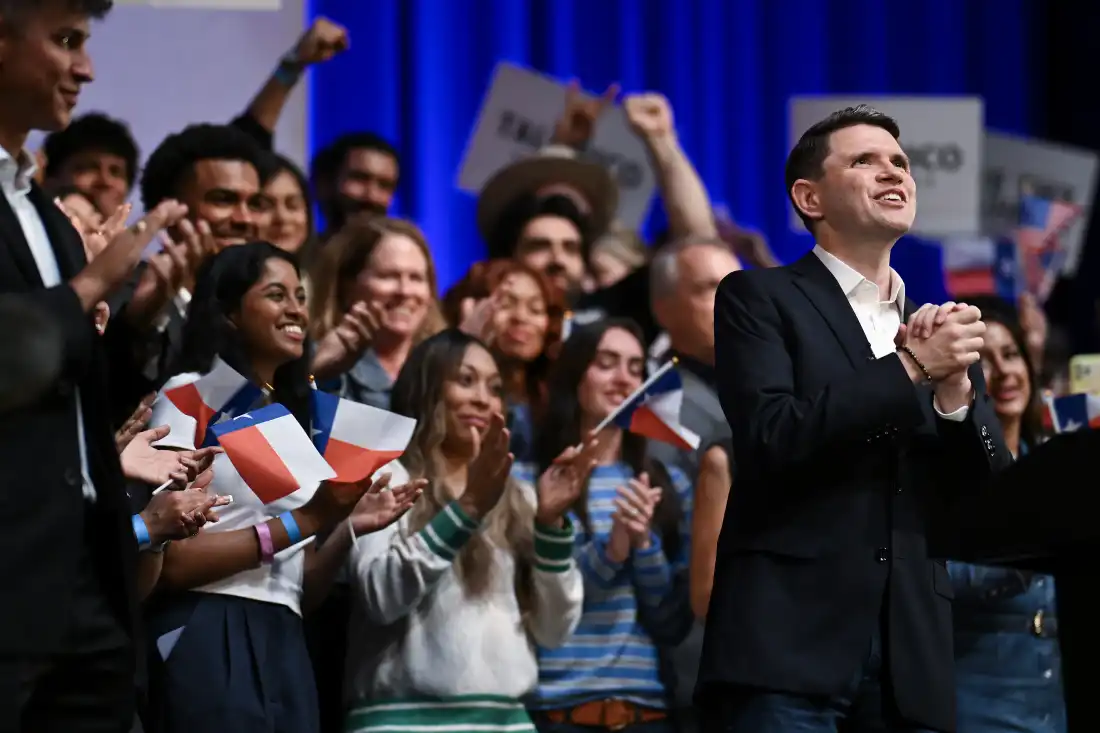
Following strong Democratic showings in November, social media users flooded platforms with videos celebrating young male candidates. Fitness coach Jesse Barton reacted to the results by singling out names such as Rob Sand, Jon Ossoff, and Abdul El-Sayed, saying he and many others were pleased with what they saw. Content creator Manoushka Guerrier went further, building a parody Tiger Beat-style personality quiz that matched users with boy-band archetypes, including “the Babyface” for Texas Senator-elect James Talarico and “the Heartthrob” for Colorado Representative-elect Manny Rutinel.
Candidates themselves leaned into the attention. Rutinel and El-Sayed shared weightlifting clips, while El-Sayed also posted a video riffing on the dating show Love Island. In Montana, incoming Representative Sam Forstag became another focal point after strategist Monica Venske highlighted him on her Instagram account, Boyfriends We Deserve. She pointed to his background as a smokejumper and his campaign footage of repairing a truck as proof that masculinity and Democratic values are not mutually exclusive.
The online frenzy was not limited to men. Democratic women also secured historic victories, including Keisha Lance Bottoms becoming Georgia’s first Black woman governor, Deb Haaland becoming New Mexico’s first Native American woman governor, and Peggy Flanagan becoming the nation’s first Native American woman senator.
Why This Matters
The contrast with 2018 is stark. That cycle produced a historic surge of Democratic women, driven by the Women’s March, the Me Too movement, and allegations of misconduct surrounding Donald Trump. This time, the spotlight shifted toward male candidates, even as women continued to win at high rates.
Christina Wolbrecht, a political science professor at Notre Dame, identifies two driving forces: a national debate over masculinity and voter preference for fresh faces. Pre-election polling from NPR, PBS News, and Marist found that most likely voters favored candidates offering new ideas over those with long experience. Wolbrecht argues that Trump’s brand of masculinity—built on power over others, wealth, and status—has pushed Democrats to present a different vision of manhood.
Strategist Monica Venske explained that after Kamala Harris’s 2024 presidential loss, many straight men viewed the Democratic Party as uncool or unfeminine. Her account aims to counter that perception by showcasing attractive Democratic men. She uses language like “baddies” or comments on hairstyles when discussing female politicians rather than focusing on physical features, because she believes appearance-based praise can harm women’s political prospects in ways it does not harm men.
The data suggests the approach may be reaching its target audience. Harris won 43 percent of men in 2024, while Democrats captured 50 percent of the male vote in the 2026 midterms. Wolbrecht cautions against reading the trend as proof that only older male candidates can win, calling that interpretation a misunderstanding of recent elections.
Key Takeaways
- Viral social media content focused heavily on the appearance of young male Democratic candidates after the 2026 midterms.
- Figures such as James Talarico, Manny Rutinel, Abdul El-Sayed, and Sam Forstag became central to the online conversation.
- Party strategists see the trend as a way to make the Democratic Party more appealing to male voters.
- Democratic women also achieved historic firsts, showing that the party continues to elect women in large numbers.
- Figures show Democrats improved their share of the men’s vote from 43 percent in 2024 to 50 percent in 2026.
Conclusion
This online fascination is more than a fleeting internet joke. It represents a broader Democratic effort to redefine masculinity in politics, broaden its coalition, and move past the electoral struggles of recent years. Whether this energy translates into lasting electoral gains remains to be seen, but for now, the party is betting that a new generation of male candidates can help reshape its public image.
Discussion
Join the conversation
Thoughtful reactions, questions, and follow-up ideas help shape the next story.