Introduction
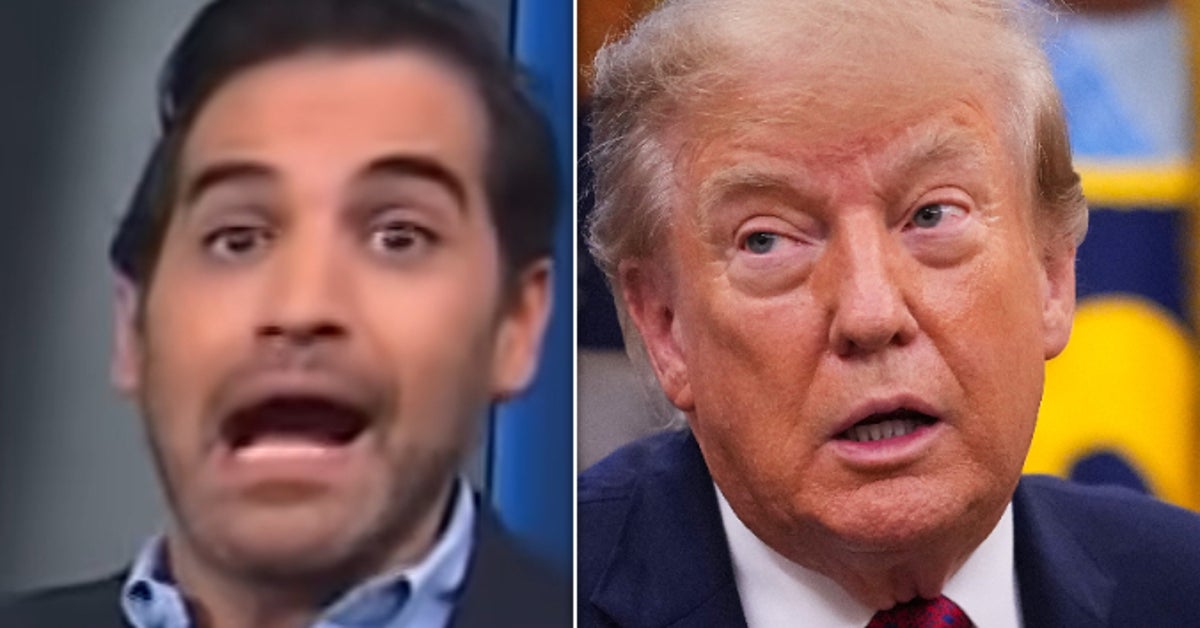
CNN chief data analyst Harry Enten recently appeared on “News Central” to discuss a striking change in American politics: the rapid erosion of Donald Trump’s standing with voters under 25. Anchor Kate Bolduan reacted with visible surprise as Enten described the numbers as a historic shift. The data points to a generational realignment that unfolded in just two years, reshaping the electoral landscape ahead of future contests.
What Happened
Enten outlined a stark contrast between the 2024 presidential election and the most recent midterms. In 2024, House Democrats held a 14-point advantage among voters under 25. By the latest midterm cycle, that lead had ballooned to 56 points—a 42-point swing in only two years. Trump captured 43% of the under-25 vote in 2024, but Enten reported that his approval rating within that demographic has now dropped to 15%. Enten attributed the reversal directly to the president, saying young voters simply put, despise him.
Why This Matters
A shift of this magnitude is rare in modern polling, especially over such a short window. When a large bloc of young voters moves decisively away from one party, it can influence everything from congressional races to presidential elections. The trend also signals broader dissatisfaction among younger Americans and may force both parties to reconsider how they communicate with and appeal to voters under 25.
Key Takeaways
- CNN’s Harry Enten called the change in youth support a historic shift.
- House Democrats won voters under 25 by 14 points in 2024, compared to 56 points in the latest midterms.
- That represents a 42-point swing in just two years.
- Trump’s support among under-25 voters fell from 43% in 2024 to a 15% approval rating today.
- Enten said young voters despise the president, linking the collapse directly to Trump.
Conclusion
The numbers presented by Enten and Bolduan underscore how quickly political loyalties can change. With Democrats now holding a dominant edge among the youngest voters, the Republican Party faces a significant challenge in rebuilding trust with a generation that has turned away in historic fashion. Whether this trend persists will likely shape campaign strategies and electoral outcomes for years to come.
Discussion
Join the conversation
Thoughtful reactions, questions, and follow-up ideas help shape the next story.