Introduction
Zambia has concluded a five-year health financing agreement with the United States, bringing an end to months of public debate over data-sharing and mineral rights. The accord paves the way for sustained support in critical health programmes across the country.
What Happened
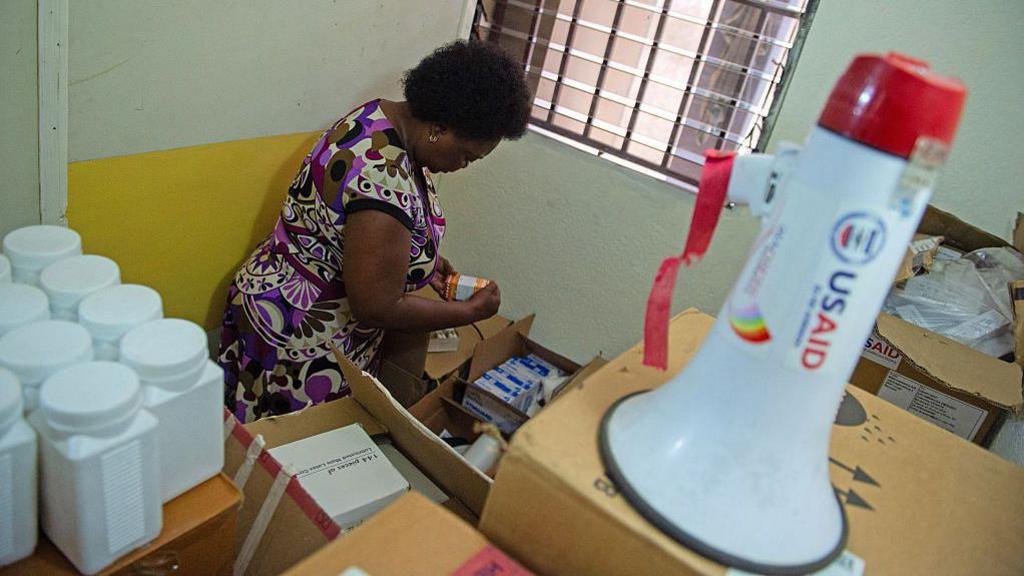
Under the memorandum of understanding signed in Lusaka, the US will contribute approximately $1.5bn toward Zambia’s health sector over the next five years, with Zambia also providing financial input. The agreement covers HIV/AIDS, tuberculosis, malaria, maternal and child health, disease surveillance, and the recruitment of community health workers. It replaces support that previously flowed largely through USAID, which was shut down earlier this year by the US administration.
Why This Matters
The deal resolves a contentious dispute in which civil society groups and activists warned that earlier drafts could allow excessive data sharing and tie health funding to Zambia’s copper and mineral wealth. Revised terms now restrict data exchange to information needed for programme monitoring and evaluation, explicitly prohibit sharing individual patient records, and remove provisions requiring biological specimens to be sent abroad. The agreement also reflects a broader transition from a donor-recipient model toward shared responsibility, with US funding expected to decline as domestic spending increases.
Key Takeaways
- US pledges about $1.5bn over five years, with Zambia also contributing to the financing package.
- Revised text addresses privacy concerns, intellectual property, and benefit-sharing requirements.
- Data exchange will be restricted to information needed to monitor and evaluate funded programmes.
- The agreement replaces USAID-supported programmes and aligns with a shift toward shared responsibility in US-Africa health cooperation.
- Other African nations including Kenya, Tanzania, and Uganda have signed similar deals, while Ghana and Zimbabwe have rejected agreements over data and conditions.
Conclusion
Zambia’s new health accord with the US signals a new chapter in bilateral development cooperation, one that prioritises privacy, sovereign control over health data, and a more balanced financial partnership. As US funding gradually decreases, the focus will shift to Zambia’s domestic investment in its health system, potentially setting a precedent for other nations navigating similar aid transitions.


Discussion
Join the conversation
Thoughtful reactions, questions, and follow-up ideas help shape the next story.