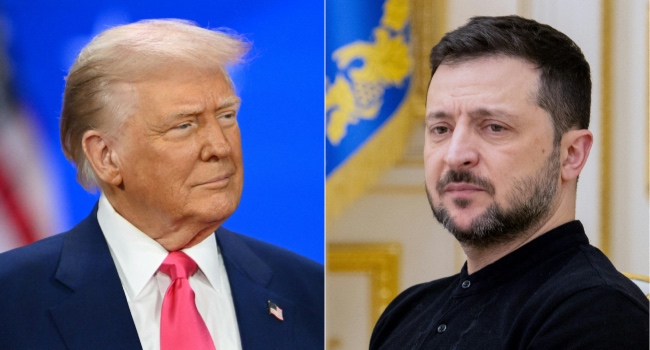
Ukrainian President Volodymyr Zelensky has firmly rejected US President Donald Trump's call for him to step down, insisting that the decision on leadership rests with Ukrainian society. The exchange highlights the growing tension between Kyiv and Washington over the path forward in the ongoing conflict.
What Happened
Trump urged Ukraine to replace Zelensky, citing strikes on Russian oil refineries that have driven up diesel prices ahead of elections. In response, Zelensky told ABC News that elections are only possible if Russia agrees to a 60-day total ceasefire, giving Kyiv time to organize voting safely.
- Zelensky told Trump's team to pressure Putin into a two-month ceasefire.
- Trump told reporters he told Zelensky to do what you want against Russia, but don't hit refineries.
- British Prime Minister Andy Burnham expressed solidarity with Zelensky after the diplomatic clash.
Why This Matters
The standoff underscores how energy attacks, leadership disputes, and ceasefire conditions are intertwining to shape the war's trajectory. A ceasefire window could enable elections, but Russia's response remains uncertain, and Trump's pressure adds another layer of complexity to an already fragile situation.
Key Takeaways
- Zelensky conditions elections on a 60-day ceasefire, not Trump's demand.
- Refinery strikes are a key flashpoint, driving diesel prices and political pressure.
- International allies, including UK leaders, are monitoring the diplomatic fallout.
- A ceasefire could open the door to elections, but Russia's cooperation is the decisive factor.
Conclusion
As the war enters a new phase, the ability to hold elections hinges on ceasefire compliance rather than external pressure alone. Both Kyiv and Washington remain focused on leveraging diplomatic and military moves to shape Ukraine's future governance.





Discussion
Join the conversation
Thoughtful reactions, questions, and follow-up ideas help shape the next story.