Introduction
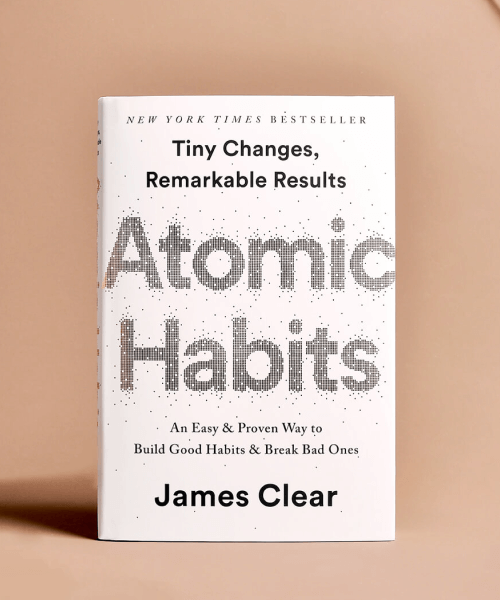
James Clear shares 30 short stories from readers who transformed their daily routines through intentional habit changes. These real-life examples illustrate how small, consistent actions lead to lasting improvement.
What Happened
The stories are grouped into categories that reflect core concepts from the book Atomic Habits. Readers applied identity-based thinking, adjusted environmental cues, and used habit stacking to build healthier routines. Each story offers a practical glimpse into how habit theory works in everyday life.
Why This Matters
Real-world examples make habit strategies more accessible and relatable. When readers see how others replaced unhealthy patterns, reduced friction, or used simple mental tricks, they can identify which approach fits their own goals. The collection proves that sustainable change often starts with a single, intentional shift.
Key Takeaways
- Identity-based habits: Focus on becoming the type of person who naturally exhibits the desired behavior.
- Cue manipulation: Adjust exposure to prompts that trigger habits, both adding positive cues and removing negative ones.
- Habit stacking: Link a new habit to an existing routine to make it automatic.
- Environment design: Increase friction for unwanted habits and reduce it for desired ones, both physically and digitally.
- Habit substitution: Replace a bad habit with a healthier alternative, often through a gradual stair-step process.
- Mental tricks: Use cheat days, visual math, or mantras to reframe cravings and decisions.
- Habit tracking: Monitor progress visually or digitally to maintain accountability and momentum.
Conclusion
The 30 reader stories show that habit change is personal, but it follows proven patterns. Whether through identity shifts, environment tweaks, or daily tracking, the most effective approach is the one you can stick with consistently. Trying one new strategy this week could be the first step toward a healthier, more intentional routine.



Discussion
Join the conversation
Thoughtful reactions, questions, and follow-up ideas help shape the next story.