Introduction
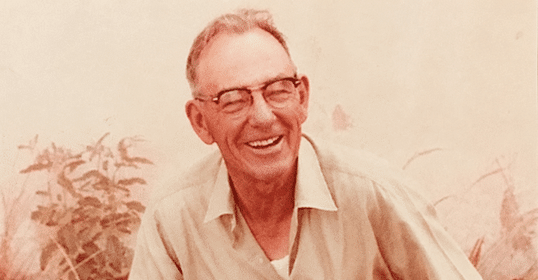
Many of us grow up hearing that there's one grand calling waiting to be discovered. But for William 'Bill' Hurst, the good life wasn't about a single overarching mission—it was about the quiet, cumulative power of small, beloved pursuits. His story shows how stacking tiny, joyful activities over decades can build a life rich with meaning, community, and legacy.
What Happened
Bill Hurst spent nearly four decades with the U.S. Forest Service, rising to Regional Forester of the Southwestern Region and helping manage national forests and grasslands across New Mexico, Arizona, Texas, and Oklahoma. Outside work, he filled his time with hobbies that lit him up independently of any paycheck. He spent decades restoring antique horse-drawn buggies from the 1880s to 1910s, driven by nostalgia for the horse-and-buggy days of his Utah childhood and the self-reliance skills his forestry career taught him. He also developed a passion for restoring vintage phonograph players, often carving duplicate parts with just a pocket knife when original pieces were unavailable.
He was a lifelong 'clubman,' joining the Rotary Club, Lions Club, Society of American Foresters, and Society for Range Management, earning service awards along the way. His involvement in Scouting earned him the Silver Beaver. Through the Rotary Club, he delivered meals via Meals on Wheels, often visiting seniors in his 80s, motivated by a simple desire to be useful and connected.
Even after retiring from the Forest Service, he stayed engaged in conservation. He helped found the Society for Range Management, wrote policy papers, and spent years organizing his diaries for donation to Utah State University. In his 90s, he turned his attention to a unique creature—the Kaibab squirrel found only on Arizona's Kaibab Plateau. He formed the Friends of the Kaibab Squirrel, rallying friends and family to advocate for the animal, a group that continues today.
Why This Matters
Jordan Grumet, hospice doctor and author of The Purpose Code, argues that little p purposes are among the best pathways to community and joy. When you follow what genuinely interests you, others notice. People mentor you, collaborate with you, and you build a network of people who share your curiosity. Bill's life illustrates this perfectly: his buggy restoration hobby attracted fellow craftsmen and collectors; his phonograph work connected him with a parts dealer who became a pen pal; his conservation efforts linked him with ranchers, senators, and fellow enthusiasts; and his Meals on Wheels route kept him socially active among peers. More importantly, these small, consistent contributions shaped how his grandchildren and countless others define a good life. They aren't abstract—they're tangible, repeatable actions that create meaning day after day.
Key Takeaways
- Stop hunting for one overarching purpose and start collecting small, enjoyable interests.
- Little p purposes are intrinsically rewarding; you'd do them even without recognition or money.
- Pursuing small passions naturally attracts community, mentorship, and collaboration.
- Childhood interests often hold the seeds of lifelong pursuits, just as Bill's early buggy and phonograph fascination did.
- Small, consistent contributions—whether restoring a phonograph or advocating for a squirrel—accumulate into a lasting legacy.
Conclusion
If you've spent years searching for your one true calling and coming up empty, consider shifting your focus. Look back at what fascinated you as a child, what you'd do for free, and what small problems you love solving. Follow those threads. Like Grandpa Bill, you may find that a life built from little purposes is not only deeply satisfying but also leaves a mark far bigger than any single grand mission could.


Discussion
Join the conversation
Thoughtful reactions, questions, and follow-up ideas help shape the next story.