Introduction
There's a particular satisfaction in clearing out the old to make room for the new. Yet when the purge goes too far, it's easy to part with pieces you'll later wish you'd kept. Designers and organizing experts have weighed in on which common household items often deserve a second look before heading to the donation bin — and the list might surprise you.
What Happened
A feature on Apartment Therapy highlights seven categories of home goods that design professionals recommend retaining rather than donating outright. Each item carries hidden value — whether financial, emotional, or aesthetic — that many overlook in the moment of a big decluttering session.
- Books: Vintage or rare titles can double as stylish decor, serving as coffee table accents, feature walls, or dining room centerpieces — and some may even be valuable first editions.
- Sentimental collectibles: Items like Hummels or figurines hold personal meaning; keeping a few preserves family memory without requiring a dedicated display spot for everything.
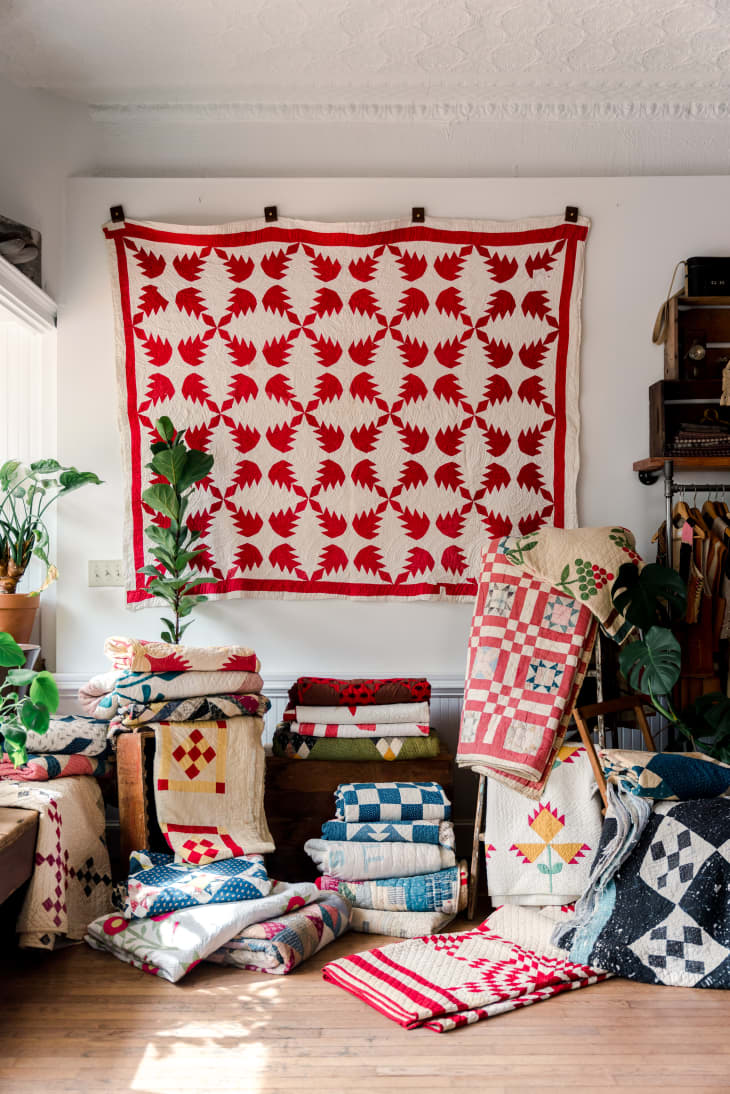
- Antique quilts: Handmade by loved ones, these pieces are irreplaceable. They work beautifully as throws, bedding, tablecloths, or even refashioned into jackets, and they fold flat for easy storage.
- Old dishes: Whether chipped or mismatched, vintage dishes find new life as gallery wall accents, trays, or DIY projects such as wall hooks and cake stands.
- Hand-me-down knickknacks and travel souvenirs: Family mementos and collected items add unique personality to shelves when thoughtfully displayed alongside other interesting objects.
- Solid wood furniture: Pieces with "good bones" can be sanded, painted, or reupholstered and often outlast mass-produced alternatives by decades.
- Professionally framed art: The frame itself can be worth hundreds of dollars, and artwork can be reframed to suit new tastes without losing the piece's intrinsic value.
Why This Matters
Donating items without considering their hidden worth can lead to financial loss, the erosion of family history, and the need to rebuy things later. Designers emphasize that a thoughtful approach to decluttering balances minimalism with mindfulness — keeping what adds genuine value while still creating a streamlined space.
Key Takeaways
- Not every item is fit for donation — some pieces carry value beyond their surface appearance.
- Sentimental and monetary worth often hides in plain sight among everyday home goods.
- A little reflection before the donate run can save time, money, and future regret.
Conclusion
Thoughtful decluttering isn't about letting go of everything; it's about curating what truly serves your space and your story. By heeding designer advice on these seven categories, you can streamline your home without sacrificing the pieces that add lasting meaning and style.





Discussion
Join the conversation
Thoughtful reactions, questions, and follow-up ideas help shape the next story.