Introduction
Two years after the right hailed a major political realignment following Donald Trump's re-election, the movement faced a stark reality check when voters delivered a decisive defeat in the midterm elections. The celebratory mood gave way to open civil war as the party's direction was called into question.
What Happened
On Tuesday night and Wednesday morning, Democrats swept Congress, governorships, and state legislatures, repudiating Republican allies of Trump's expansive executive orders and hardline immigration policies. Political commentator Jack Posobiec warned that conditions would deteriorate as results trickled in.
The right now splits into two camps: Trump loyalists who insist the movement must stay the course, and a furious far-right faction demanding the president be ditched entirely. J.D. Vance attempted a middle path, blaming the party's loss on the Iran war and rejecting softer immigration stances, while allies of Matt Walsh called for a complete overhaul, arguing the party has lost touch with its base.
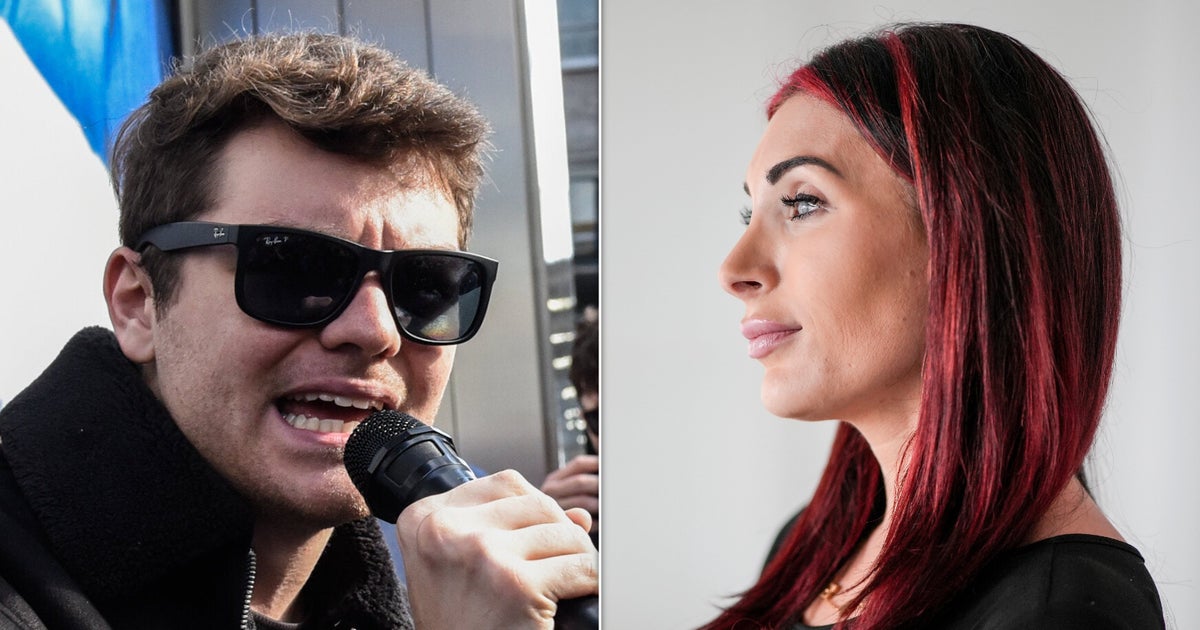
Far-right influencer Nick Fuentes declared the results an unequivocal message that the GOP must be built back from the ground up without Trump or Vance. Meanwhile, Laura Loomer urged the president to go scorched earth on the left, and Charles Cornish-Dale predicted the infighting would only intensify in the coming months.
Why This Matters
The post-midterm fracture reveals a movement at a crossroads. With the 2028 presidential race already taking shape, the battle over direction—between maintaining Trump's legacy and pursuing a harder-right nationalist platform—will shape Republican strategy for years to come. The outcome could redefine the party's coalition, its appeal to key demographics, and its ability to challenge the left.
- Key figures like Vance, Walsh, and Fuentes are already staking competing claims to the movement's future.
- Policy divides over immigration, foreign intervention, and economic populism are driving the split.
- Voter sentiment suggests a growing appetite for nationalist policies, but also deep dissatisfaction with the current trajectory.
Key Takeaways
The midterm results have triggered an unprecedented internal war within the right wing, with no clear consensus on whether to double down on Trump's playbook or chart a new path.
Vance's reluctant break with the president, Walsh's demand for total leadership turnover, and Fuentes' call for a Trump-free reboot signal that the fight for the movement's soul is just beginning.
As the right prepares for 2028, the coming months will likely feature intensified infighting, realignments, and attempts to rebuild the party's base—either by leaning into Trump's record or moving further right than ever before.
Conclusion
What began as a celebratory political realignment two years ago has turned into a full-blown identity crisis for the right. The midterm shellacking has exposed deep rifts, and the decisions made in the next few months will determine whether the movement rallies around Trump's legacy or fractures beyond repair.





Discussion
Join the conversation
Thoughtful reactions, questions, and follow-up ideas help shape the next story.