Introduction
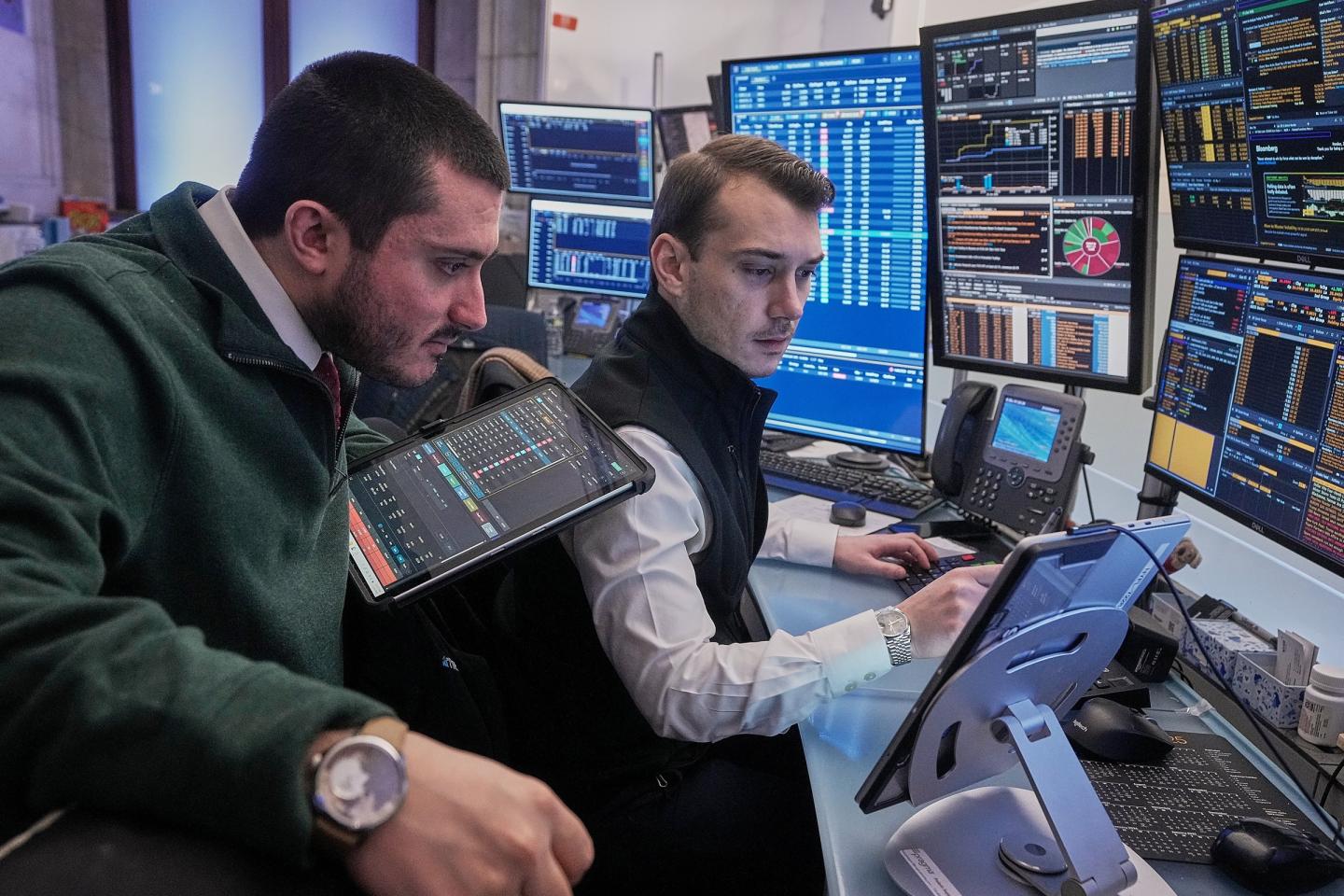
U.S. equities entered a correction on Friday as a sharp retreat in artificial intelligence stocks dragged the S&P 500 more than 10 percent below its October peak. The Nasdaq Composite surrendered every gain it had recorded in 2026, while the Dow Jones Industrial Average also slipped into correction territory. Market observers described the mood as panic selling, with investors questioning whether the AI rally had run its course.
What Happened
The S&P 500 dropped 3.59 percent to close at 6,918.45, marking its seventh consecutive decline and the longest losing streak since early 2020. The Dow joined the S&P in correction territory, defined as a drop of at least 10 percent from a recent high.
Benedicte Lowe, an equity derivatives strategist at BNP Paribas, told CNBC that investors were engaged in panic selling as they weighed whether enthusiasm for AI had peaked.
Anthropic, the maker of Claude, led the AI decline. Its shares fell roughly 9 percent on Friday, their second day of trading, erasing much of the 17 percent jump from the day before. The company's initial public offering raised $81.34 billion and valued the firm at $1.414 trillion. According to Reuters, concerns included slower data-center construction, rising borrowing costs, and the resignation of Nvidia CEO Jensen Huang on November 12. Nvidia CFO Colette Kress is serving as interim CEO.
Semiconductor stocks bore the brunt of the selling. Micron, Broadcom, Nvidia, and AMD each fell between approximately 12 and 14 percent. The CBOE Volatility Index, known as Wall Street's fear gauge, climbed above 30 for the first time since March.
The selloff extended beyond the United States. Taiwan's stock index fell 5.65 percent on Friday, its steepest weekly decline since October 1997, while Japan's Nikkei and South Korea's Kospi each dropped about 5 percent.
Political rhetoric added pressure. President Donald Trump threatened a "tremendous tax" on U.S. companies that build data centers overseas, according to CNBC.
Why This Matters
The downturn hit household balance sheets. The University of Michigan's November consumer survey found that respondents with the largest stock holdings reported worsening personal finances, a trend survey director Joanne Hsu linked to ongoing AI-related market agitation.
The correction also raised questions about financing for AI infrastructure. Independent analyst Luke Lango noted that SpaceX had to increase the yield on a $32 billion debt offering to 8.3 percent, suggesting that credit may be tightening for riskier AI borrowers such as CoreWeave and Nebius.
Meanwhile, the Federal Reserve remains in focus. Philadelphia Fed President Anna Paulson said the central bank will likely need to raise rates again because inflation remains elevated. CME FedWatch futures placed the probability of a December rate increase at roughly 95 percent, and the 10-year Treasury yield hovered near 5 percent. The Fed's next policy meeting is scheduled for December 9.
Key Takeaways
- The S&P 500 fell into correction, closing more than 10 percent below its October 6 record.
- The Nasdaq Composite gave back all of its 2026 gains.
- AI-related stocks led the decline, with Anthropic, Nvidia, Broadcom, Micron, and AMD among the hardest hit.
- The VIX rose above 30, signaling elevated fear among investors.
- Global markets followed suit, with notable drops in Taiwan, Japan, and South Korea.
- Some strategists view the move as sentiment-driven rather than a reflection of weak fundamentals.
- The Fed meets December 9, and markets are pricing in a high likelihood of a rate hike.
Conclusion
Whether Friday's selling represents temporary panic or the start of a deeper decline remains uncertain. Several Wall Street voices argued that the economy's underlying fundamentals are still solid and that most corrections do not evolve into bear markets. Others cautioned that the median decline from a record high during past corrections has been nearly 20 percent, suggesting further downside is possible. Investors will get more clarity when the Federal Reserve meets in December.
Discussion
Join the conversation
Thoughtful reactions, questions, and follow-up ideas help shape the next story.