Introduction
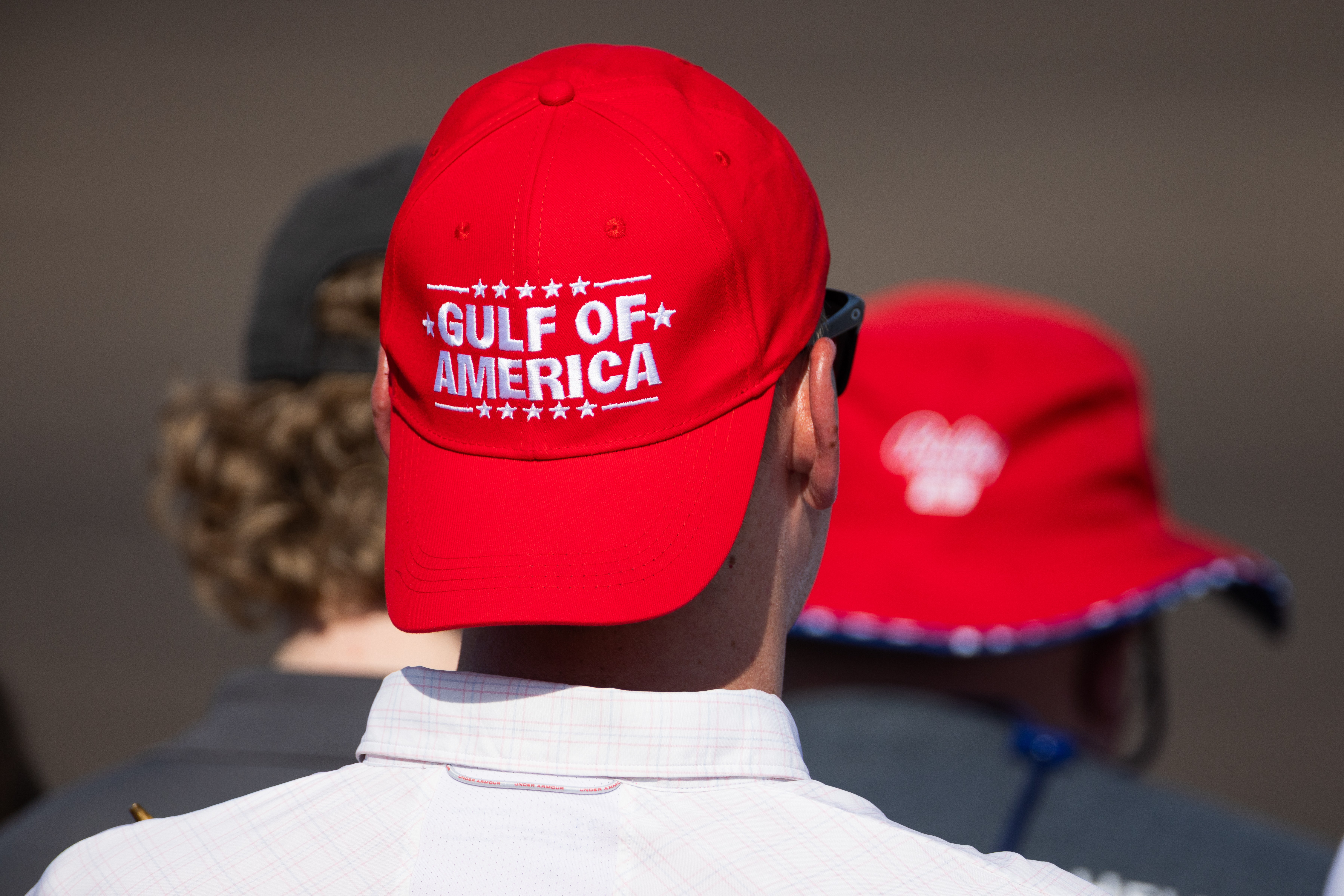
A public radio station in Alabama has found itself at the center of a heated debate over language loyalty and editorial autonomy. The University of Alabama at Birmingham directed WBHM to adopt the state-mandated name Gulf of America sidelining the widely recognized Gulf of Mexico. The move has reignited concerns about government overreach and the chilling effect on independent journalism.
What Happened
In late March the Alabama legislature passed a bill requiring all state and local entities to refer to the Gulf of Mexico as the Gulf of America. The law carries no penalties and includes language allowing compliance only when practicable but the University of Alabama at Birmingham chose to enforce it immediately. WBHM a listener-supported station licensed to the university received a letter from Executive Director Will Dahlberg informing staff that the new terminology was mandatory. Dahlberg later announced his resignation saying the university pressured him to comply against his better judgment. The station's journalism code emphasizes independence stating the university should not and cannot expect to exert influence on WBHM's journalists and its independent editorial process.
Why This Matters
The controversy raises fundamental questions about compelled speech and the limits of governmental influence over public media. Legal experts point to strong Supreme Court precedent against the state forcing reporters to adopt specific language particularly in a journalistic context. The law's lack of enforcement teeth suggests the university's action was a choice not a necessity. Critics argue that yielding to such pressures sets a dangerous precedent especially when federal authorities have previously attempted similar tactics against other news outlets. The case highlights the tension between local legislation and the editorial independence expected of public broadcasting.
Key Takeaways
- The Alabama law mandates Gulf of America but contains no penalties and allows opt-outs when compliance burdens operations.
- WBHM was directed to change its language despite its status as an independent member of NPR and adherence to AP style.
- Station leadership resigned amid pressure underscoring the human cost of political interference in media.
- Legal precedent strongly opposes compelled speech especially when the government mandates language for editorial content.
- The incident reflects a broader trend of political pressure targeting public media outlets across the United States.
Conclusion
The WBHM situation serves as a cautionary example of how quickly editorial independence can erode when institutions succumb to political pressure. Even in the absence of legal mandates the threat of repercussions can silence dissenting voices and reshape public discourse. Defending the principle that media organizations determine their own language is essential to preserving a free and vibrant information landscape.



Discussion
Join the conversation
Thoughtful reactions, questions, and follow-up ideas help shape the next story.