Introduction
ARC Ride, the Nairobi-based electric mobility startup, is bringing its battery-swapping electric motorcycle model to South Africa, marking a significant expansion beyond its home market in Kenya. The company's move targets the growing delivery sector in South Africa, where fuel costs and operational expenses present ongoing challenges for commercial riders.
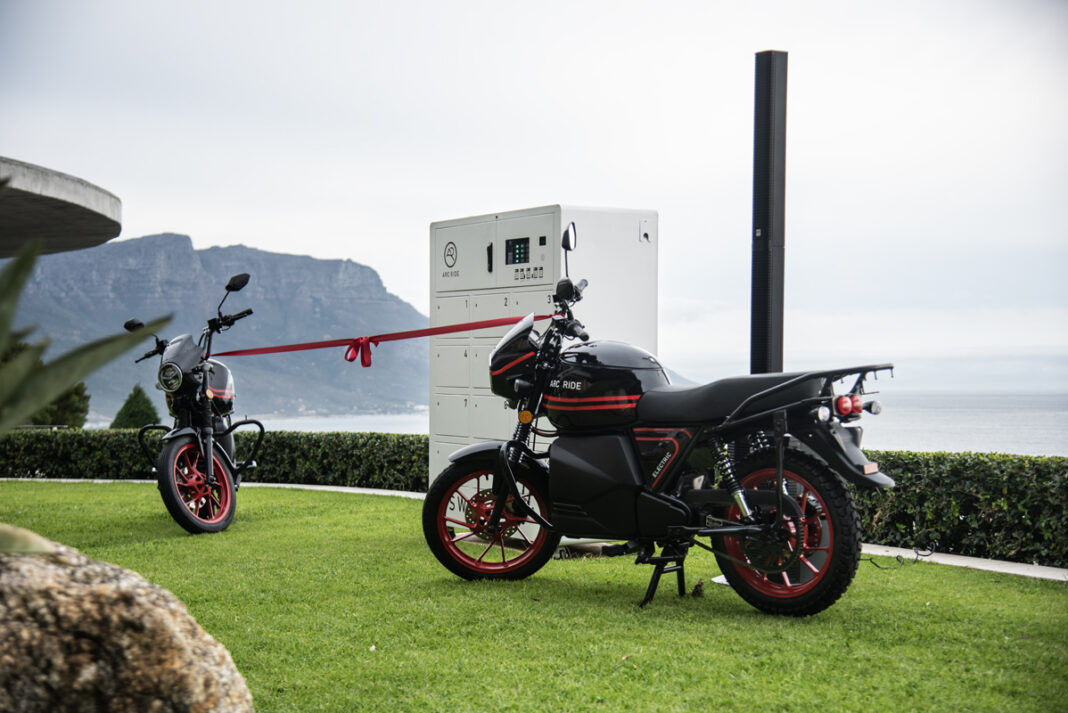
The company's flagship Panther motorcycle is now available for commercial fleets in Gauteng and the Western Cape, offering a lower upfront cost than comparable petrol bikes while promising significantly reduced daily operating expenses. ARC Ride distinguishes itself by owning the batteries rather than requiring riders to purchase them, with automated swap stations enabling exchanges in under 60 seconds.
Priced at R22,500 ($1,390), the Panther sits about R500 ($31) below the Big Boy Superlight 200, yet delivers a 292kg payload and operating costs the company claims are 35% lower than traditional petrol motorcycles. The Western Cape Government has supported the model through vehicle homologation, helping ARC Ride navigate regulatory hurdles.
What Happened
South Africa's growing delivery sector presents a new testing ground for ARC Ride's model, which has already found traction in Kenya's established boda boda market. The expansion addresses a key challenge for climate-focused hardware startups: large upfront investments in batteries and swap infrastructure can be partially offset by debt financing, as demonstrated by ARC Ride's $33.3 million Series A round, which included approximately $10 million in debt from British International Investment's Kinetic programme and Mirova.
If riders and fleet operators adopt the battery-swapping model outside East Africa, it could validate the approach as a scalable solution for emerging markets. If adoption stalls, the barrier may lie less in the motorcycle hardware and more in the economic feasibility of swap networks across different regulatory and geographic contexts.
Key Takeaways
- ARC Ride is expanding its battery-swapping electric motorcycle model from Kenya to South Africa, targeting commercial delivery fleets in Gauteng and the Western Cape.
- The Panther motorcycle is priced R500 below a leading petrol competitor, with the company claiming 35% lower operating costs.
- ARC Ride owns the batteries and operates automated swap stations that complete exchanges in under 60 seconds, reducing upfront costs for riders.
- The startup's $33.3 million Series A funding included $10 million in debt financing, highlighting a strategy to scale hardware-heavy climate ventures without excessive equity dilution.
- Success in South Africa could demonstrate whether the battery-swapping model works beyond Kenya's established commercial motorcycle ecosystem.
Conclusion
ARC Ride's move into South Africa represents more than just geographic expansion—it's a real-world test of whether battery-swapping infrastructure can thrive in new markets. As the company focuses on last-mile delivery riders who feel the pinch of fuel costs, the coming months will show whether the model translates across borders or whether local dynamics require a different approach. Either way, the expansion adds an important data point for the broader conversation about electric mobility and sustainable transport financing in Africa.

Discussion
Join the conversation
Thoughtful reactions, questions, and follow-up ideas help shape the next story.