Introduction
Bitget Wallet, the crypto platform serving over 100 million users, has introduced a new Virtual Account feature that allows freelancers and earners across Africa to hold personal USD and EUR accounts directly within the app, eliminating the need for traditional banking infrastructure abroad.
What Happened
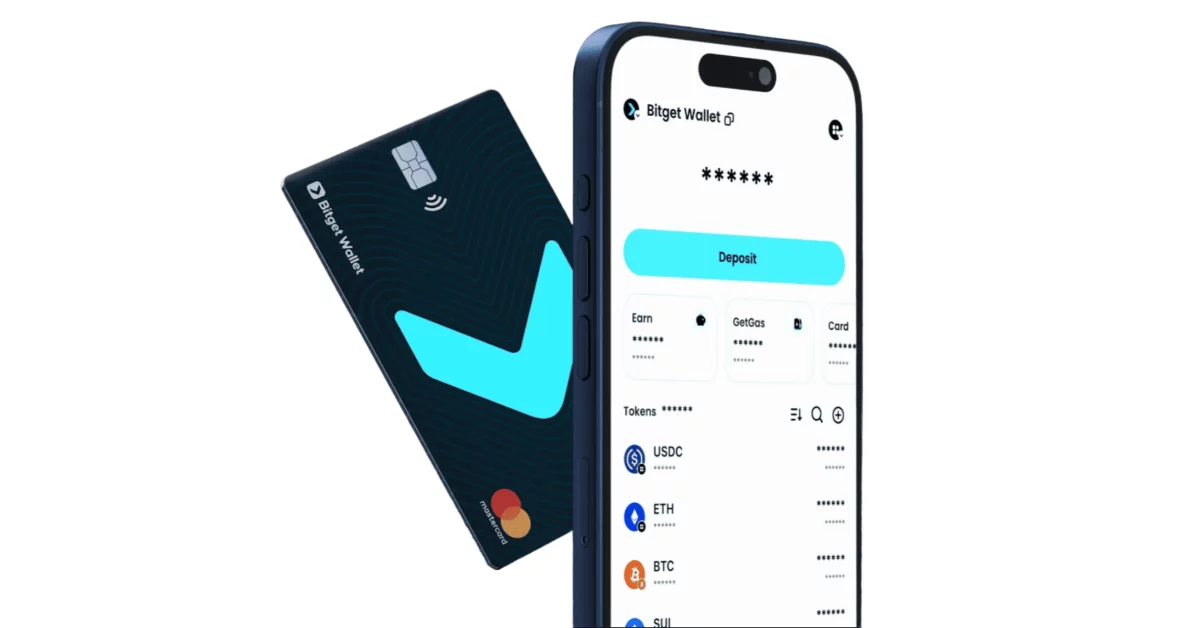
The Bitget Wallet Virtual Account, powered by Noah, enables users in South Africa, Nigeria, and Morocco to open free personal USD and EUR accounts using only the app. No US or EU address or credit history is required. Payments arrive via standard bank rails—ACH, Fedwire, SEPA, and SWIFT under the user name. Incoming funds automatically convert into stablecoins USDT or USDC within the self-custodial wallet, and users can spend via the Bitget Wallet Card, send cross-border payments, or invest in crypto and tokenized assets.
Why This Matters
For African remote workers, freelancers, and families receiving payments from overseas, the new feature removes costly middlemen and slow banking delays. By connecting traditional bank rails with crypto infrastructure, Bitget Wallet creates a more accessible path to global finance. The model is particularly significant in regions where opening foreign currency accounts was previously nearly impossible, offering a cost-effective alternative to the average 6% global remittance fee.
Key Takeaways
- Virtual Account launches in South Africa, Nigeria, and Morocco with no address or credit history needed
- Supports ACH, Fedwire, SEPA, and SWIFT inflows under the user name
- Incoming funds auto-convert to USDT or USDC within the self-custodial wallet
- Users can spend via the Bitget Wallet Card or invest in crypto and tokenized assets
- Fees are dramatically lower than traditional remittance averages, with a $500 ACH deposit costing around $2.00
- First 1,000 eligible users making a qualifying deposit receive a full refund on transaction fees
- The service is part of Bitget Wallet's broader Onchain Payments Matrix
Conclusion
Bitget Wallet's Virtual Account marks a significant step toward financial inclusion for African freelancers and earners, bridging the gap between traditional banking rails and self-custodial crypto wallets. By removing address and credit barriers and leveraging cost-effective payment networks, the service empowers users to receive, hold, and spend foreign currency more freely. As crypto wallets evolve into everyday financial hubs, this innovation could reshape how global payments flow into and across emerging markets.






Discussion
Join the conversation
Thoughtful reactions, questions, and follow-up ideas help shape the next story.