Introduction
A train service between York and London King's Cross became the scene of a terrifying confrontation when a staff member faced a knife-wielding passenger armed only with a kitchen utensil. The incident, which led to an unscheduled stop in Huntingdon, has since drawn significant attention in Cambridge Crown Court.
What Happened
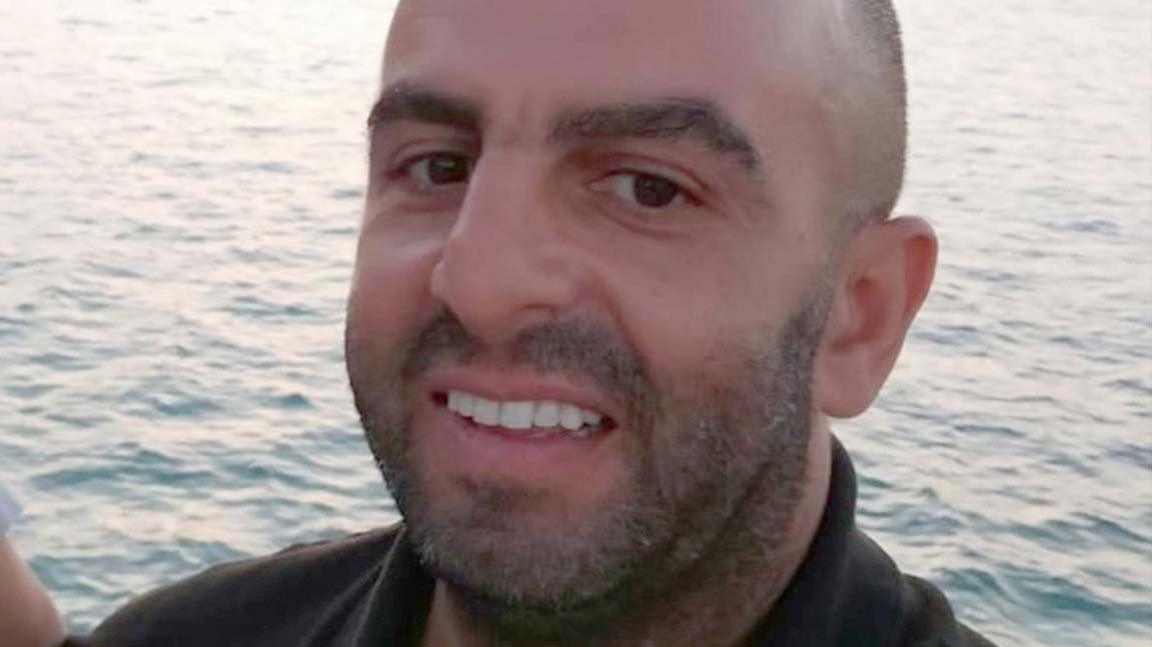
On 1 November 2025, Samir Zitouni was working aboard an LNER service when Anthony Williams launched a sudden attack. Zitouni recalled grabbing a frying pan and attempting to strike the blade to prevent the attacker from advancing. Witnesses described a chaotic scene as passengers hid, threw objects, and tried to calm the situation. CCTV footage shown in court depicted the walkway of the carriage and the moments leading to the train’s emergency stop.
Zitouni sustained life-threatening injuries, including collapsed lungs and internal bleeding. He required four blood transfusions, chest drains, and ventilator support during his recovery. Other passengers, including Michael Gawthorpe and Christina Jones, also faced the attacker, with varying accounts of the struggle.
Why This Matters
The case hinges on whether Williams intended to kill the 10 people on board, despite the physical evidence of the attack. Prosecutors have alleged a broader spree, including earlier incidents in Peterborough and a separate incident on a London DLR train. The trial forces jurors to distinguish between the act of attacking and the mental intent behind it—a central question in attempted murder charges.
Beyond the courtroom, the incident raises concerns about passenger safety on rail services and the lengths to which staff will go to protect those on board. It also highlights the physical and emotional toll such events exact on those who respond in the moment.
Key Takeaways
- Samir Zitouni used a frying pan to confront a knife attacker, sustaining severe injuries in the process.
- Anthony Williams faces 10 counts of attempted murder on the train, plus additional charges from earlier incidents.
- Zitouni’s injuries included punctured lungs, requiring multiple transfusions and intensive medical care.
- Video evidence and CCTV were played in court, offering visual context to the events.
- Other passengers attempted to intervene, with mixed outcomes.
- The trial continues, with jurors tasked on determining intent versus action.
Conclusion
The courtroom battle over the Huntingdon train attack reflects a broader struggle to understand intent in violent crime. As the trial proceeds, Zitouni’s testimony remains a central piece, illustrating both the courage and the cost of intervening in a sudden crisis. The outcome will likely shape discussions on rail safety and the legal definition of intent in mass attack cases.






Discussion
Join the conversation
Thoughtful reactions, questions, and follow-up ideas help shape the next story.