Introduction
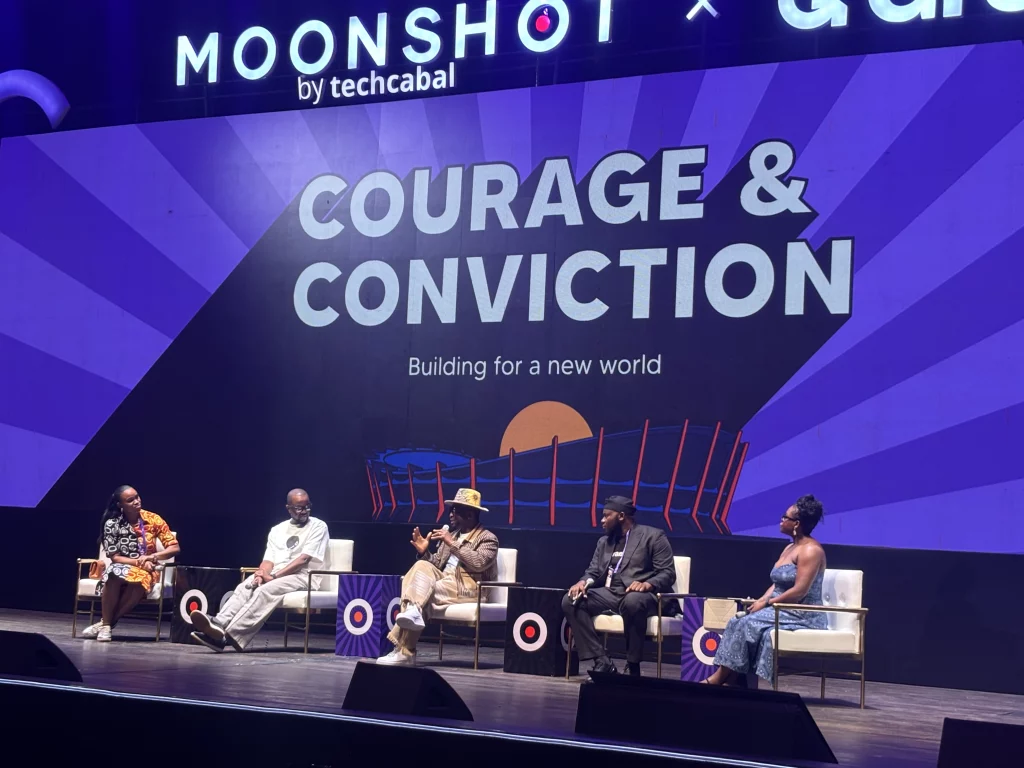
The creator economy across Africa is at a pivotal moment. While talent and audience engagement have surged, the infrastructure needed to convert that attention into reliable income remains fragmented. A recent panel at Moonshot 2026, TechCabals flagship gathering, brought together builders, investors, and creators to confront exactly that gap.
What Happened
The session focused on whether African players can build the infrastructure creators need, featuring Richard Oyome of Raenest, Kene Okwuosa of Filmhouse Group, Darey Art Alade of Livespot360, and Kopano Cowen of Connect Channel, moderated by Kehinde Odusote-Fagbule. Data from the Nigerian Creator Economy Report 2025 revealed that 56.45% of Nigerian creators earn less than $100 monthly, while only 3.23% surpass 5000. Meanwhile, Nigerian artists collected over 58 billion naira from Spotify in 2024, a 146% increase year-on-year. Panelists highlighted that for years, brand deals were the primary income route because major platforms did not pay Nigerian creators directly until Meta enabled Reels ads in Nigeria and Ghana in 2024.
Raenest, which offers multi-currency accounts for freelancers and creators, disclosed an 11 million dollar Series A in February 2025 and said it has processed over 1 billion dollars in payments for more than 700000 customers. The discussion also touched on piracy impact on Nollywood, with MultiChoice citing annual losses between 10 billion and 15 billion naira, and how reduced content spending by Netflix and Amazon Prime is pushing more filmmakers onto YouTube.
Why This Matters
Barriers to monetization extend beyond platform payouts. Getting paid from abroad remains difficult, and estimates of piracy impact on Nollywood highlight how little is measured in the sector. Panelists agreed that isolated solutions will not suffice; the next wave of investment will likely come through partnerships, acquisitions, or policy shifts that link payments, production, distribution, and regulation. As Darey Art Alade noted, public-private partnerships and clearer legislation can unlock collaborations that expand the market for African content globally.
Key Takeaways
- Revenue gaps are stark: over half of Nigerian creators earn under $100 a month, while a small elite earn above 5000.
- Platform payouts are improving but still limited; multi-currency infrastructure like Raenests is already processing billions in creator transactions.
- Policy momentum is building, with Afreximbanks 200 million dollar Creative Economy Development Fund and government-backed initiatives aiming to ease cross-border collaborations.
- The panel consensus: the most impactful infrastructure will connect existing players—payments, production, distribution—rather than building standalone tools.
Conclusion
For African builders, the opportunity is clear: connect what already exists. Whether through policy, partnership, or payment infrastructure, the goal is to turn Africas vast creator talent into sustainable income. As the Moonshot panel emphasized, the future of the creator economy depends on bridging the gap between attention and earnings through collaboration not isolation.





Discussion
Join the conversation
Thoughtful reactions, questions, and follow-up ideas help shape the next story.