Introduction
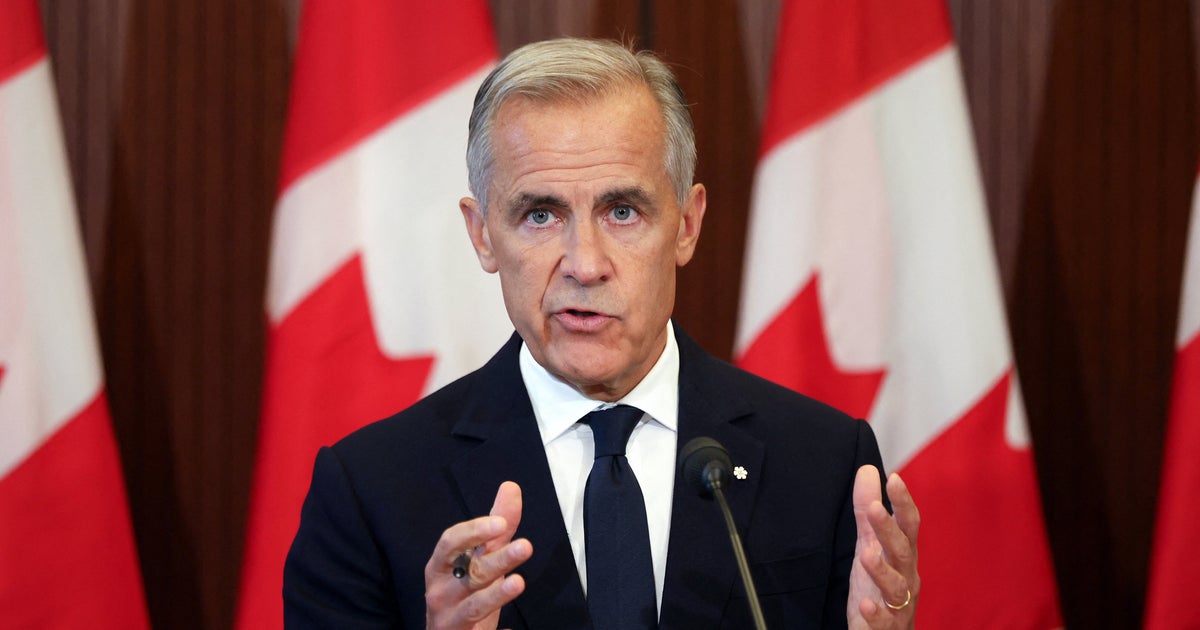
Tensions between Canada and the United States have escalated into a trade war, with Prime Minister Mark Carney launching a $20 billion retaliatory tariff campaign against American goods. The move follows new U.S. duties on Canadian products and signals a significant shift in North American economic relations.
What Happened
Canada has imposed tariffs ranging from 15% to 50% on approximately $20 billion worth of U.S. exports, including steel, aluminum, cheese, appliances, clothing, cosmetics, and farm equipment. The tariffs took effect at 12:01 a.m. Tuesday under an executive order known as an order in council, covering roughly 6% of the $333.6 billion in U.S. goods shipped to Canada last year. In addition, eight of Canada’s ten provinces have restricted or banned sales of U.S. alcohol, causing U.S. spirits exports to drop more than 70% year-over-year. The Trump administration has threatened further penalties, including a potential 50% auto tariff and restrictions on Canadian aircraft manufacturer Bombardier, while also making symbolic gestures such as renaming geographic features.
Why This Matters
The trade dispute matters because it highlights how economic pressure from a larger neighbor can reshape relations between allies. With the U.S. economy roughly 13 times larger and over 70% of Canada’s exports crossing the border southward, Canada faces structural disadvantages. However, the country leverages critical resources like oil and potash, and Carney’s defiant stance has resonated domestically and internationally, positioning him as a prominent voice resisting economic coercion. The conflict also underscores how trade policy intersects with politics, culture, and daily life, from border crossings to consumer choices.
Key Takeaways
- Canada’s $20 billion in retaliatory tariffs directly match U.S. duties dollar-for-dollar and rate-for-rate.
- Eight Canadian provinces have restricted U.S. alcohol sales, reducing U.S. spirits exports by over 70%.
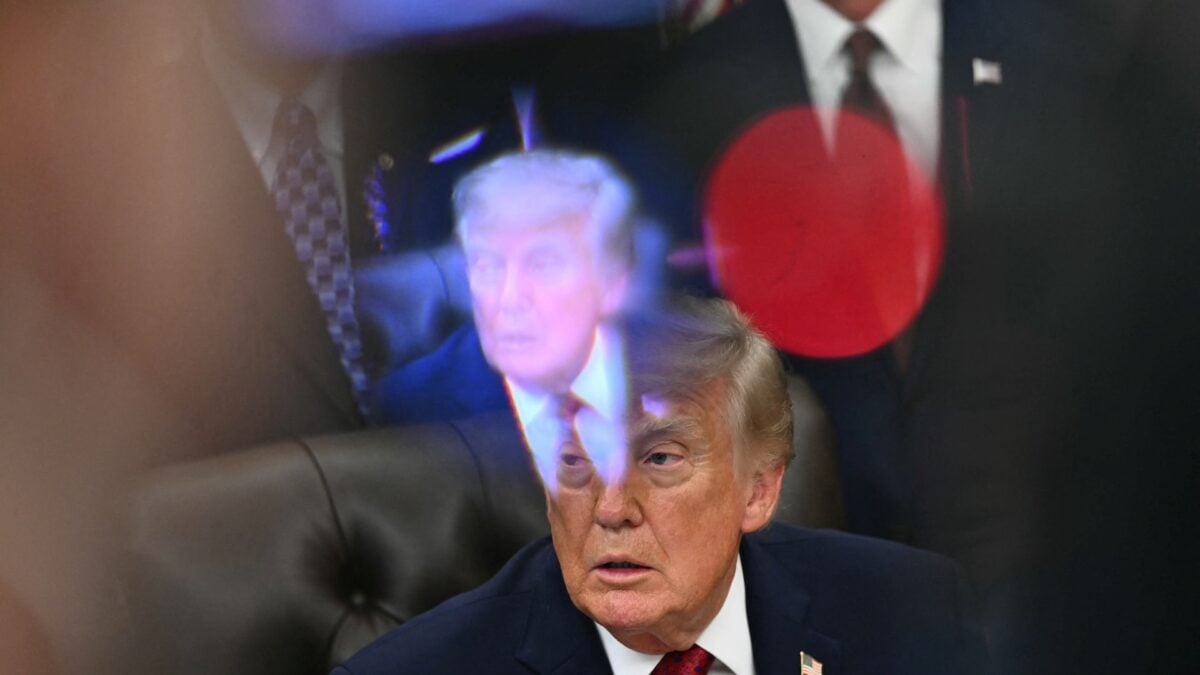
- Trump has threatened 50% tariffs on Canadian vehicles, auto parts, and steel if Canada does not “fall in line.”
- Carney has positioned Canada as a resistance figure on the global stage, recently speaking at the World Economic Forum in Davos.
- U.S. refineries depend on 4 million barrels daily of Canadian oil, and American farmers rely on Canadian potash fertilizer.
- Economically, Canada grew at 3.2% annualized in Q2, outpacing the U.S. 1.5% growth rate.
Conclusion
As the trade war intensifies, all eyes are on whether Carney’s defiant strategy can sustain pressure without inflicting lasting damage on Canada’s economy. The situation reflects a broader struggle over economic sovereignty, integrated supply chains, and the limits of leverage between two deeply connected nations. Regardless of outcome, the dispute is already reshaping public opinion, consumer behavior, and the political landscape across the border.

Discussion
Join the conversation
Thoughtful reactions, questions, and follow-up ideas help shape the next story.