Introduction
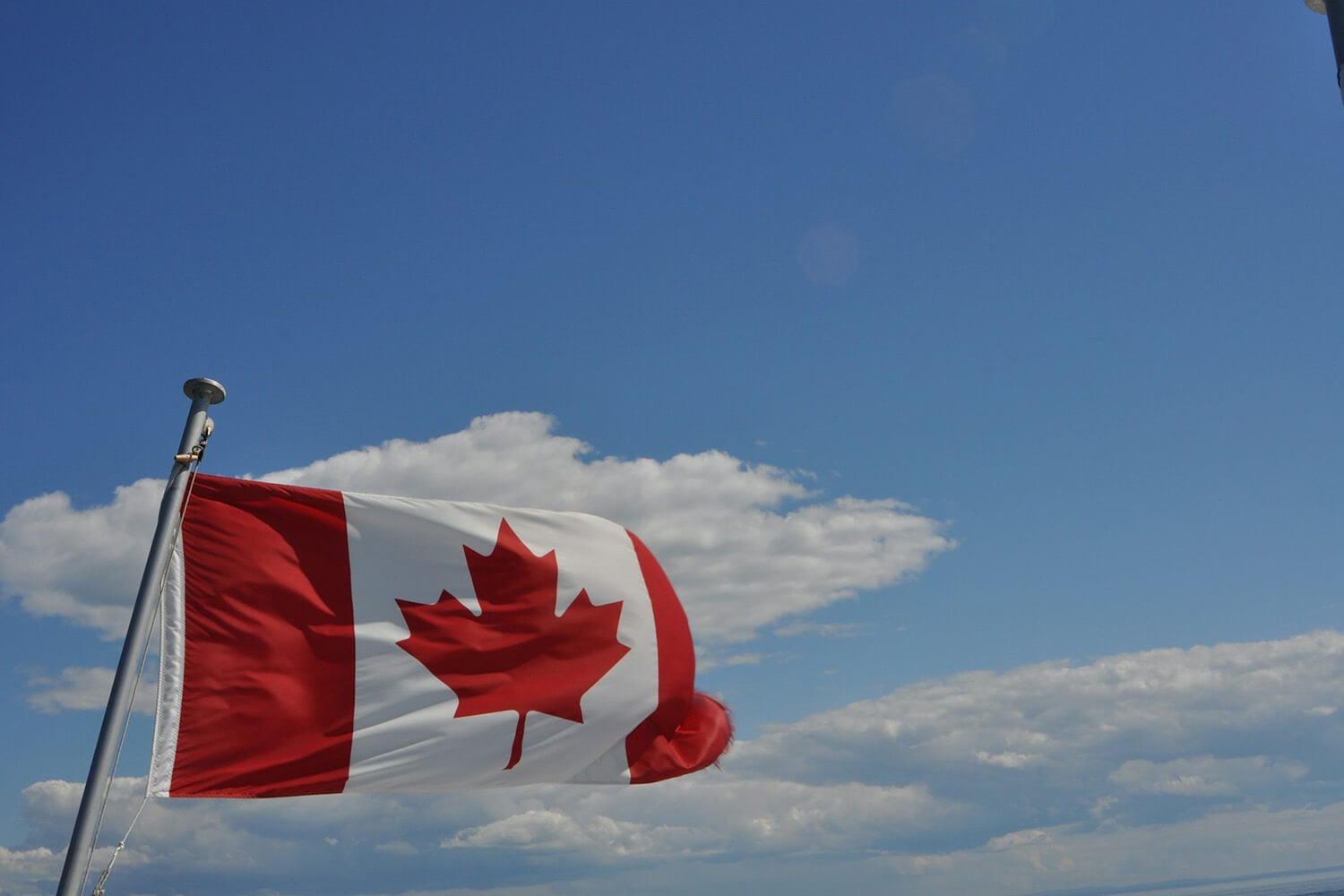
The United States and Canada are facing a deepening trade dispute, with new tariffs reshaping economic relations just weeks before crucial midterm elections. Canada's decision to impose 50% duties on select American goods marks a significant escalation in a conflict that has been building for months.
What Happened
After negotiations between the two nations collapsed, Canada introduced 50% tariffs on hundreds of U.S. products, ranging from cheese and seafood to appliances and forestry items. The move follows former President Donald Trump's earlier threats of similarly steep levies on Canadian imports, reigniting a dispute that economists warn could echo the economic damage of the 1930s Smoot-Hawley era. Key items now facing steep duties include Wisconsin cheese, Maine seafood, and Kentucky-made washers and dryers, all chosen for their political significance in swing states that could determine congressional control.
Why This Matters
For everyday consumers, the tariffs translate to higher prices at a time when household budgets are already under strain, with essential goods affected. Businesses reliant on cross-border supply chains face increased costs, while manufacturers in border states risk losing market share in Canada. The timing - just weeks before the midterms - adds a political dimension, as both parties brace for voter backlash in regions heavily dependent on trade with Canada. Economists warn the tariffs could disrupt long-standing supply chains, particularly in the auto, agriculture, and manufacturing sectors, where Canadian components and markets are essential to operations.
Key Takeaways
- Canada has imposed 50% tariffs on $20 billion worth of U.S. exports, targeting goods in Wisconsin, Maine, and Kentucky.
- The duties are a direct response to earlier U.S. tariff threats and the collapse of recent trade negotiations.
- Consumers may face higher prices on familiar products, from cheese boards to home appliances.
- Border-state economies, especially those tied to agriculture and manufacturing, are bracing for the greatest impact.
- Political analysts warn the tariffs could influence voter sentiment in key midterm battlegrounds.
Conclusion
As the trade war intensifies, the coming weeks will reveal whether the economic pressure translates into lasting political consequences. With both sides dug in, the stakes extend beyond economics - voter sentiment in swing states could shape the balance of power in Congress. Experts caution that without renewed dialogue, the cost of these tariffs may be felt far beyond the border regions that feel them most.

Discussion
Join the conversation
Thoughtful reactions, questions, and follow-up ideas help shape the next story.