
Introduction
Cerebras Systems co-founder and CEO Andrew Feldman recently shared a bold vision at TechCrunch Disrupt 2026: personal AI assistants could soon become as common in households as kitchen appliances. His remarks suggest the barrier between cloud-based intelligence and local device processing is gradually dissolving.
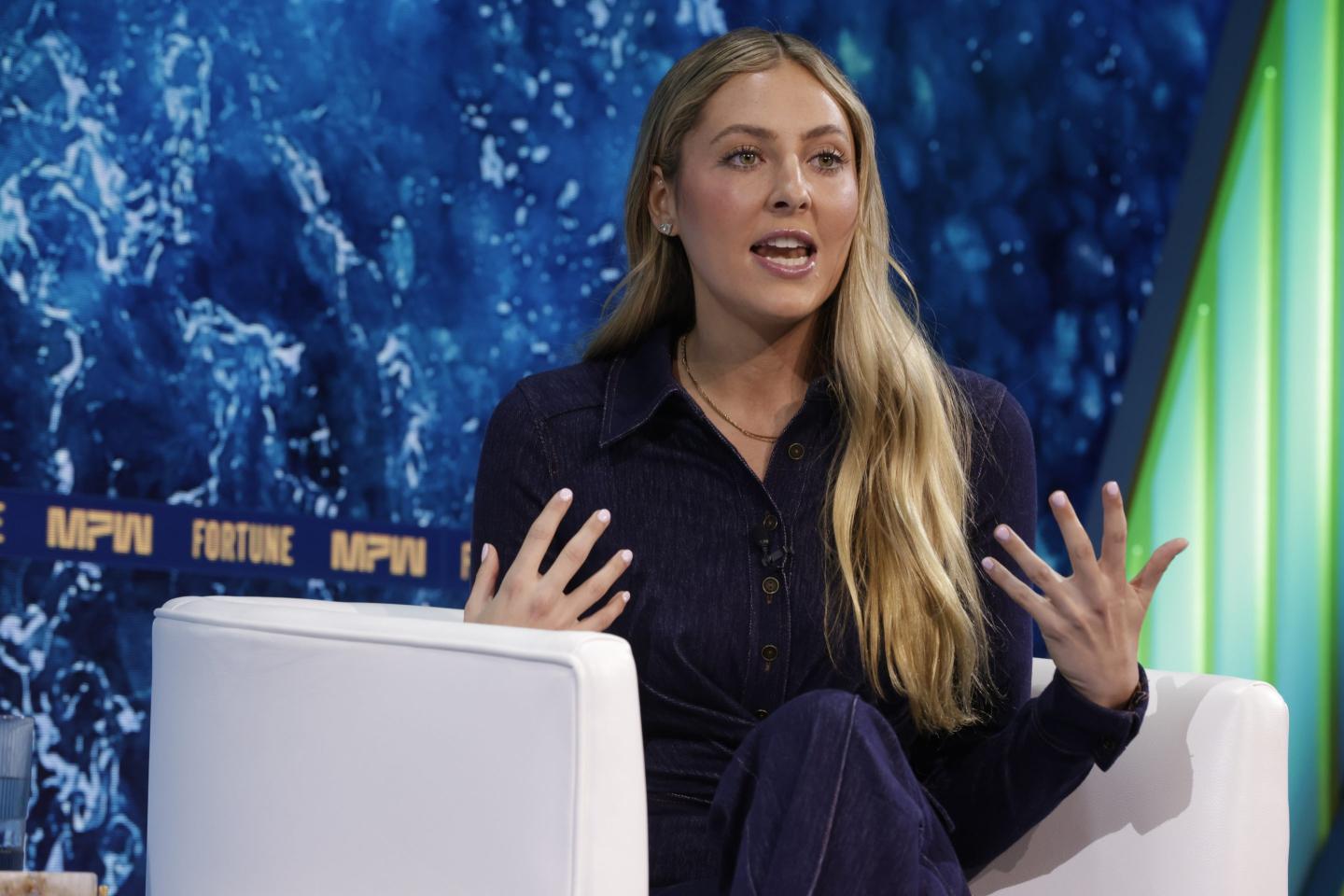
Speaking on stage at the San Francisco event, Feldman answered a question about what it would take for AI to transition from a mobile tool to a true home appliance. He stated plainly that the moment is closer than many expect. His confidence stems from rapid advances in consumer AI agents and the growing capability of systems to understand context, schedule, and personal preferences.
What Happened
Speaking on stage at the San Francisco event, Feldman answered a question about what it would take for AI to transition from a mobile tool to a true home appliance. He stated plainly that the moment is closer than many expect. His confidence stems from rapid advances in consumer AI agents and the growing capability of systems to understand context, schedule, and personal preferences.
Feldman highlighted emerging consumer AI agents, including Meta's Muse and Instinct, as evidence that AI is finding its footing with everyday users. He also noted that his own workflow already relies on a collection of agents to manage his calendar, research call participants, and streamline routine tasks.
Why This Matters
The implications of widespread home AI extend beyond convenience. Feldman outlined a future where assistants run partly on device and partly in the cloud, creating a “security perimeter” around personal data while still accessing enough intelligence to handle complex requests. He specifically mentioned that these systems could eventually handle payments, coordinate schedules, and adapt to individual lifestyles without constant manual input.
For the AI industry, Feldman's perspective underscores a shift from purely cloud-dependent models toward hybrid architectures that prioritize privacy, latency, and personalization. His position as a chipmaker and infrastructure builder means his outlook carries weight across both hardware and software ecosystems.
Key Takeaways
- Feldman predicts personal AI assistants will enter homes within a near-term timeframe, possibly sooner than many expect.
- These assistants will blend local edge processing with cloud-scale intelligence, balancing speed and capability.
- Security and data privacy are central to the design, with a “security perimeter” keeping sensitive information protected.
- Feldman personally uses multiple AI agents today to automate calendar management, research, and task preparation.
- The vision relies on infrastructure advances rather than consumer-facing product ideas, suggesting the real innovation happens at the platform level.
Conclusion
If Feldman's outlook holds, the home of the near future may include an always-on, adaptive AI assistant that understands its inhabitants, handles routine tasks, and integrates seamlessly with both local devices and cloud services. The transition will likely depend on continued hardware improvements, stronger privacy safeguards, and developers building the agents that make everyday life smoother.






Discussion
Join the conversation
Thoughtful reactions, questions, and follow-up ideas help shape the next story.