Introduction
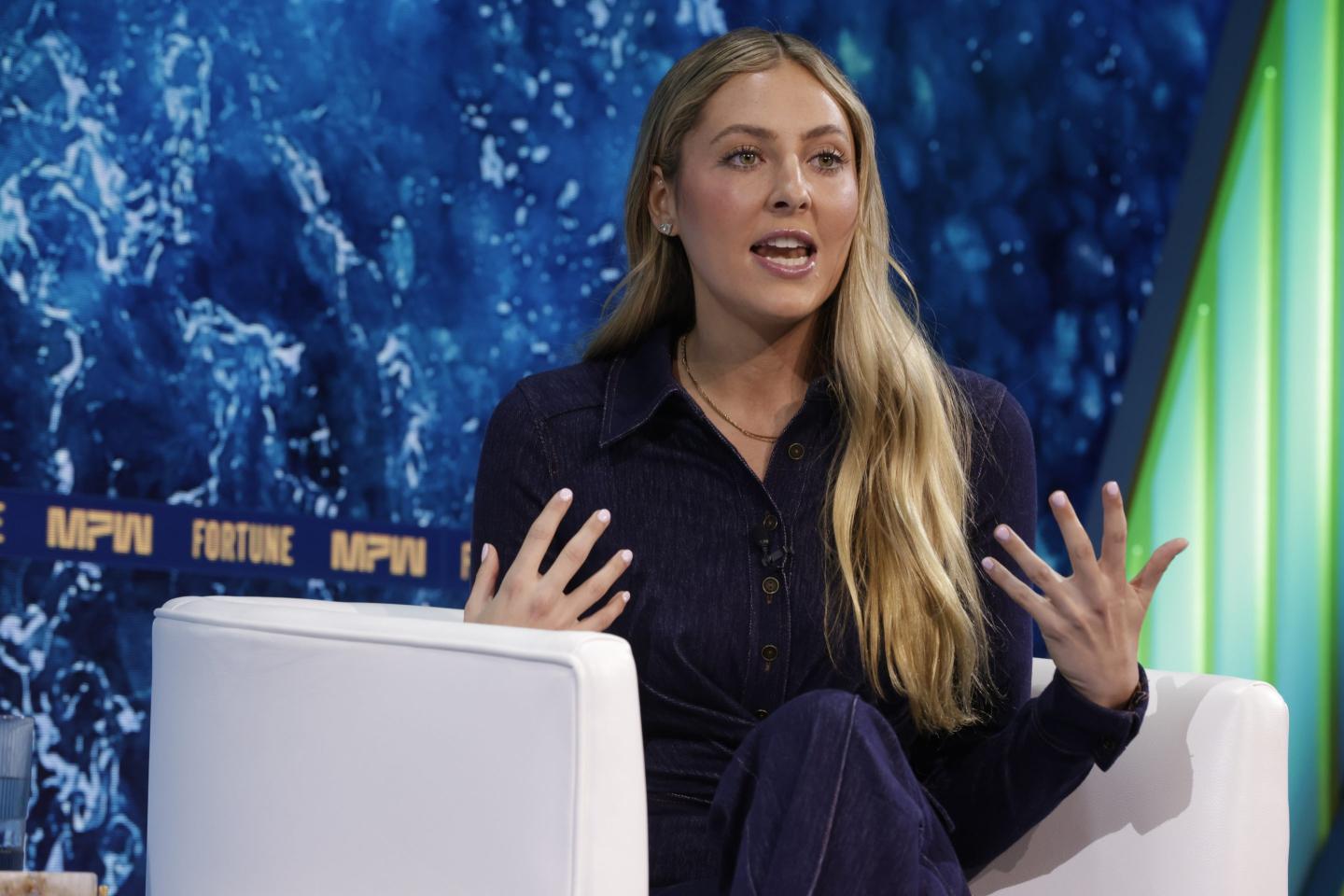
At just 25 years old, Bridget Griswold leads Lean In, the global nonprofit founded by Sheryl Sandberg to advance women in the workplace. Her rise has sparked conversation about age, gender, and the unseen barriers still shaping career trajectories.
What Happened
Griswold highlighted a persistent obstacle she calls the "broken rung"—the critical first promotion from entry-level to manager where women are consistently passed over at higher rates than men. In 2025, only 93 women were promoted to manager for every 100 men, a gap that may seem small but creates a domino effect throughout a woman's career.
The impact compounds quickly. When women miss that first step, catching up becomes exponentially harder. Griswold emphasized that without fixing this early hurdle, underrepresentation at the top becomes nearly impossible to solve.
Progress had briefly improved the situation. In 2021, nine out of ten companies prioritized diversity, and the broken rung narrowed for Black women the following year. However, without sustained effort, the gap reopened by 2025, with only 60 Black women promoted for every 100 men.
Why This Matters
Griswold argues that the broken rung isn't just a numbers game—it's a structural barrier that delays or derails entire careers. When early promotions are uneven, the ripple effects shape who reaches senior leadership, who influences decision-making, and whose voices are heard in boardrooms.
The statistics are stark. A stalled start for women translates to fewer role models, less mentorship, and a slower path to executive roles. For Black women, the setback is even steeper, with representation gaps widening when sustained attention wanes.
Key Takeaways
- The "broken rung" describes the first promotion gap from entry-level to manager, where women face disproportionate barriers.
- In 2025, only 93 women per 100 men secured that first promotion, according to Lean In data.
- Early-career setbacks create a cascading effect, making it significantly harder to reach senior leadership.
- While progress dipped and resurged between 2021 and 2025, sustained diversity commitment is essential to close the gap permanently.
- Griswold's appointment as Lean In CEO at 25 challenges norms, showing that young leadership can bring fresh perspective and fearless advocacy.
Conclusion
Bridget Griswold's leadership at Lean In comes at a pivotal moment. The broken rung remains a pressing issue, but her platform and perspective offer a roadmap for rethinking how organizations support women from the very first step. When companies treat early promotion equity as a priority rather than an afterthought, the path to top-level leadership becomes achievable for the next generation.
Her message is clear: women shouldn't have to wait their turn to lead. Systemic changes, sustained commitment, and a willingness to dismantle early barriers can make women's advancement the norm, not the surprise.







Discussion
Join the conversation
Thoughtful reactions, questions, and follow-up ideas help shape the next story.