Introduction
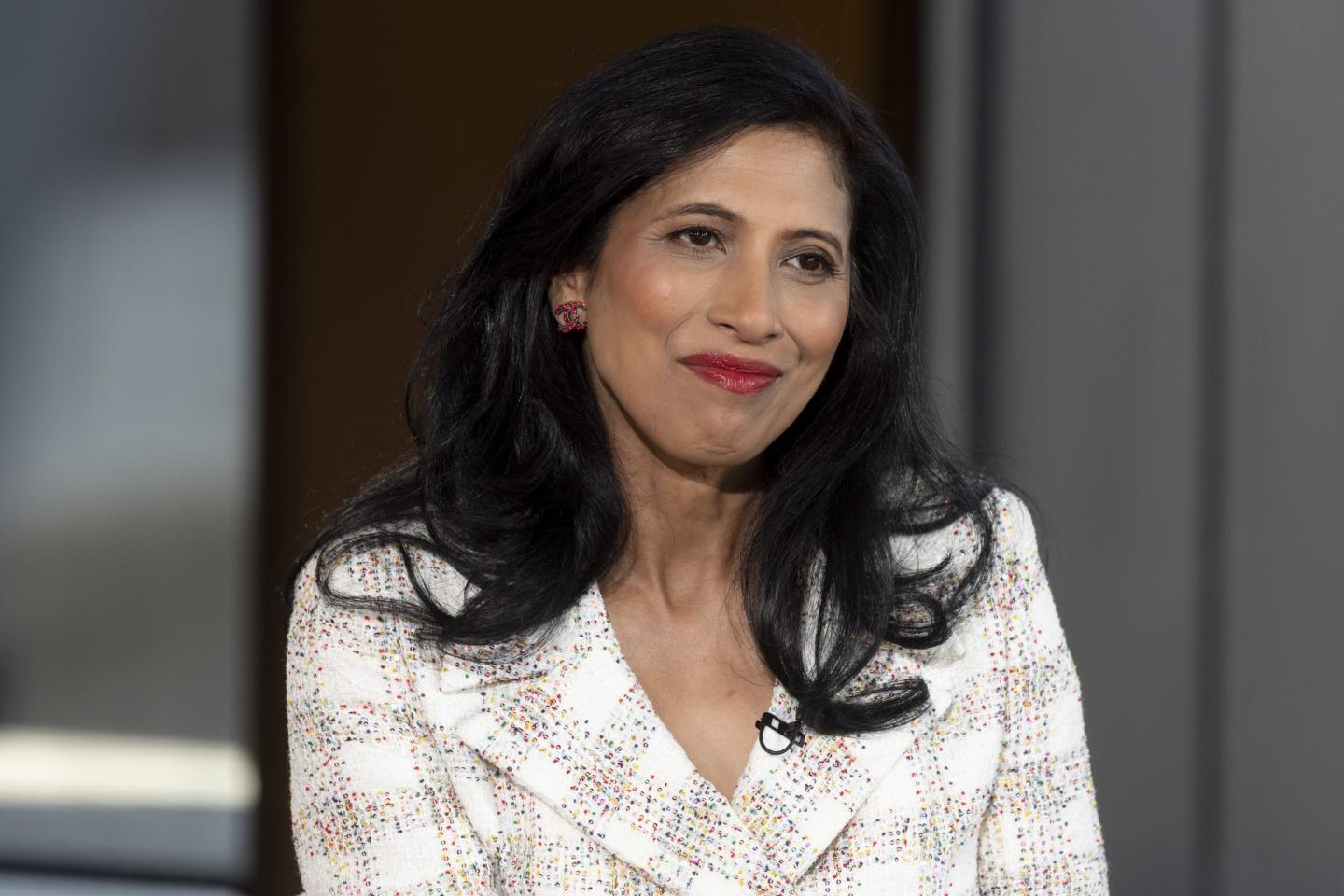
In an era dominated by algorithms, automation, and instant digital gratification, the head of one of the world's most recognizable fashion houses is making a bold case for slowing down. Leena Nair, chief executive of Chanel, recently told business and cultural leaders that human ingenuity and handmade beauty are not relics of the past—they are essential skills for the future.
What Happened
Speaking at the annual gala dinner of the French Chamber of Great Britain, Nair described the current moment as an unprecedented period of transformation and fragility. She pointed to macroeconomic shifts, rapid advances in artificial intelligence, and geopolitical instability as pressures affecting every industry. Against that backdrop, she argued that creation and beauty have never been more precious.
Nair, who has led Chanel since 2022, shared that the brand returned to growth last year. Global revenue increased 1.8 percent compared with the prior year, reaching $19.3 billion, while operating profit rose 5.2 percent to $4.7 billion. Much of that growth was driven by stronger sales in the United States.
She also highlighted the human side of luxury. With more than 95 percent of Chanel's customers being women, Nair explained that beauty plays a powerful role in how people respond to the world. She shared an anecdote about a customer recovering from surgery, noting that medical professionals often tell her patients are back to normal when they ask to wear makeup again.
Why This Matters
Nair's comments come at a time when the luxury sector is feeling political and economic pressure. In the United Kingdom, the removal of tax-free shopping for international visitors has sparked debate. In the United States, new tariffs targeting luxury goods have created market uncertainty. Yet Nair pushed back against the idea that luxury is a niche concern.
She described luxury as an economic, cultural, and emotional powerhouse. She noted that European high-end luxury brands generate roughly one trillion dollars annually—about 5 percent of Europe's GDP—and employ more than two million people across the continent.
She also cited emerging research linking exposure to art and human-led creative work with greater happiness, workplace performance, and physical and mental well-being. For Nair, this is not just a branding argument; it is a case for investing in skills that might otherwise disappear.
Key Takeaways
- Chanel CEO Leena Nair says human craftsmanship and beauty are vital in an age of AI and instant gratification.
- Chanel reported $19.3 billion in global revenue and $4.7 billion in operating profit, with growth led by the U.S. market.
- The luxury sector represents about 5 percent of Europe's GDP and supports more than two million jobs across the region.
- Nair pointed to research connecting art and creativity with improved happiness and well-being.
- Chanel partners with the King's Foundation to preserve traditional artisan skills, such as the eight-hour process required to make a pleated skirt.
Conclusion
As technology continues to reshape how people shop, work, and live, Nair's message is a reminder that some value cannot be automated. For Chanel, the future depends on artisans, creators, and the enduring human desire for beauty. Whether that means an eight-hour pleated skirt or the simple act of putting on makeup after surgery, the CEO argues that handmade creation remains a source of resilience, joy, and economic strength.
Discussion
Join the conversation
Thoughtful reactions, questions, and follow-up ideas help shape the next story.