Introduction
China is expanding the international role of the yuan, but not to dethrone the U.S. dollar as the world's primary reserve currency. Instead, Beijing is positioning the renminbi as a strategic backup—a 'serviceable' alternative that reduces America's financial leverage without inviting the heavy obligations that come with global reserve status.
What Happened
According to China scholar Zongyuan Zoe Liu, writing in Foreign Affairs, the yuan's internationalization is a deliberate, measured effort. Beijing facilitates yuan use across more than 100 countries and a growing list of commodity markets, yet stops short of full convertibility. Key metrics include 1,829 participants in the Cross-Border Interbank Payment System spanning 5,200 banks across 191 countries, but this remains a fraction of the U.S.-dominated system. Beijing is establishing yuan-denominated benchmarks for commodities like lithium, doubling overseas yuan lending, and securing 32 currency swap agreements with foreign central banks. However, structural hurdles persist: foreign investors hold just 1.6% of China's bond market, and without a large, freely tradable pool of renminbi assets, the currency cannot challenge the dollar's dominance.
Why This Matters
The yuan's rise isn't about overtaking the dollar—it's about strategic resilience. By establishing the renminbi as a credible alternative, China can soften the impact of U.S. financial sanctions, much like the punishment imposed on Russia after its 2022 invasion of Ukraine. A yuan-based network for energy, green exports, and cross-border trade could give Beijing leverage to bypass dollar-based restrictions, particularly as geopolitical tensions rise in regions where the petrodollar's grip is weakening.
Key Takeaways
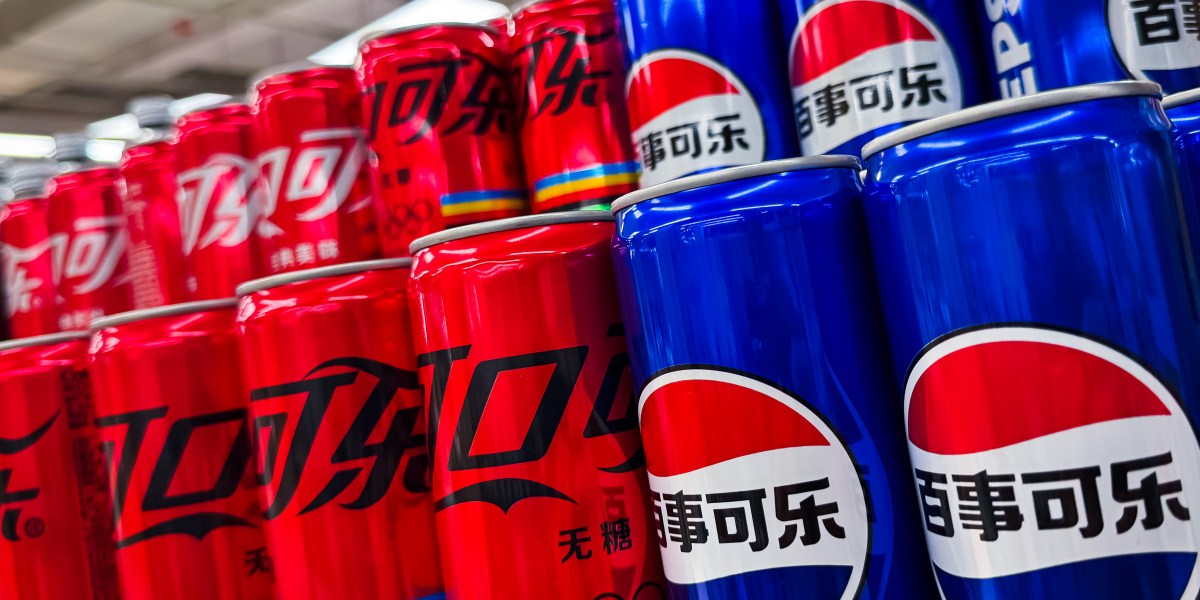
- China seeks a 'Pepsi to the dollar's Coca-Cola': a credible second player, not a replacement
- The yuan is accepted in over 100 countries and across expanding commodity markets, but global reach remains limited
- Beijing's main goal is sanctions resistance, not currency supremacy
- Structural challenges—capital controls, shallow foreign bond holdings, and limited reinvestment channels—still keep the dollar firmly on top
- A 'green yuan' backed by China's dominance in clean energy supply chains could eventually challenge the petrodollar model
Conclusion
China isn't chasing the throne of global reserve currency. Its yuan strategy is a calculated hedge: enough international presence to constrain U.S. financial power, but not so much that it threatens the Communist Party's domestic control. As geopolitical tensions reshape global trade, the 'Pepsi strategy' may prove enough to keep the dollar honest—and potentially reshape key commodity markets in the process.






Discussion
Join the conversation
Thoughtful reactions, questions, and follow-up ideas help shape the next story.