
Introduction
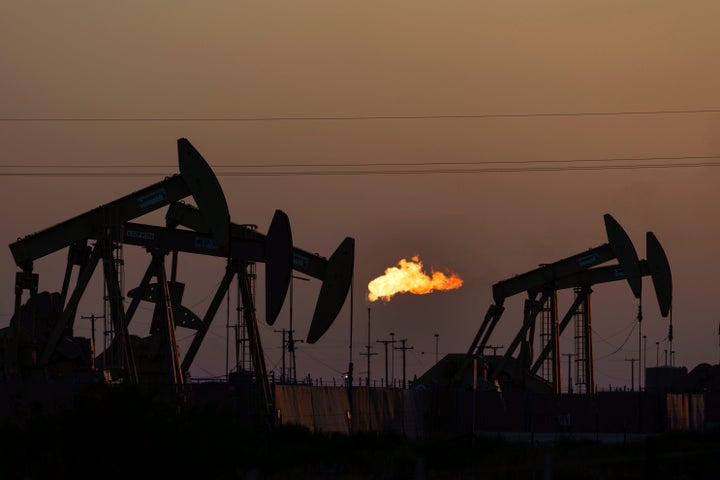
Citation Oil & Gas appears in over a thousand Oklahoma pollution records, making it the most-cited company in the state’s environmental violation database. Despite this track record, the Oklahoma Corporation Commission has never successfully punished the company, allowing it to continue operations with minimal consequences.
What Happened
In mid‑2023, wastewater began surfacing near Ardmore in the Bayou oil field, forming salt encrustations and oily sheens across creeks and farmland. State investigators traced the bursts to Citation’s injection wells, which pump wastewater underground at high pressure to boost oil production. When agency staff recommended formal penalties, leadership overruled them and permitted the company to restart injection at elevated pressures.
Consultants from the environmental firm Halff presented evidence that Citation’s well pressures had fractured rock layers, enabling wastewater to escape. Company representatives countered that historic drilling and recent rain were responsible, a claim agency staff rejected after observing the volume and force of recent surges.
Why This Matters
The case reveals a systemic pattern: fewer than one in three enforcement actions since 2023 have resulted in a penalty, and the average fine amounts to just $1,700. Residents across southern Oklahoma have endured years of saltwater damage to pastures, water wells, and grazing land, with some reporting that agency extensions delayed cleanup on their property.
EPA warnings flagged potential drinking water contamination, detecting salt, bromide, and benzene above safety limits. Despite these red flags, agency leadership repeatedly allowed Citation to resume injection, prioritizing operational continuity over precautionary protection.
Key Takeaways
- Citation Oil & Gas is named in more than 1,000 Oklahoma pollution reports, far outpacing any other operator.
- Agency staff urged punishment, but leadership repeatedly permitted injection to restart at pressures exceeding safety recommendations.
- Less than 35 percent of enforcement cases since 2023 have resulted in any penalty, with average fines near $1,700.
- Landowners and farmers have lived with prolonged contamination, and agency‑granted extensions often postponed required mitigation.
- New complaints and purges continue to emerge, even though the Bayou investigation has officially closed.
Conclusion
The Citation story illustrates what happens when regulatory leniency meets a company with a history of repeated violations. As new reports surface and wells return to operation, the need for meaningful accountability remains pressing. Without structural change, Oklahoma communities may continue to bear the environmental and financial cost of unchecked oil and gas pollution.






Discussion
Join the conversation
Thoughtful reactions, questions, and follow-up ideas help shape the next story.