
Introduction
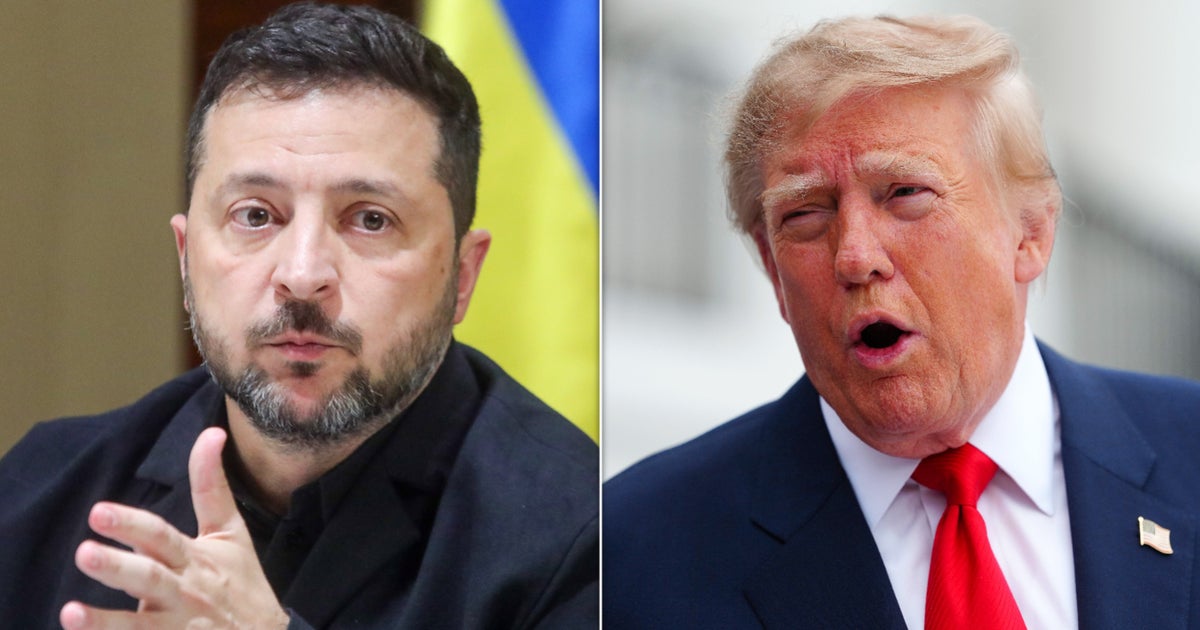
The latest move by President Donald Trump to exempt Russia from sweeping economic sanctions has triggered intense debate on Capitol Hill, where lawmakers are weighing the decision's impact on the Ukraine conflict and domestic energy costs. The action, announced Friday, comes as Ukrainian forces launch major strikes inside Russia, and the White House frames the waiver as essential for national security.
What Happened
Trump's executive order Friday lifts long-standing penalties against Moscow that Congress had approved to pressure Russia over its invasion of Ukraine. The decision follows a weekend of Ukrainian drone attacks on Russian cities, including Moscow and St. Petersburg, and a separate oil-and-diesel arrangement between the U.S. and Russian officials. Administration officials argue the waiver serves vital energy market stability ahead of upcoming midterm elections, though analysts note the diesel supply deal is unlikely to meaningfully curb pump prices. The original sanctions legislation, passed with bipartisan support, includes a provision allowing the president to temporarily suspend penalties when national security concerns arise.
Why This Matters
The sanctions relief represents a significant shift in U.S. pressure on Russia at a critical juncture in the war, potentially affecting the credibility of Western economic leverage. With Congress recessed for the midterm campaign season, lawmakers have limited immediate power to counter the move, and the decision underscores the tension between short-term energy politics and long-term strategic objectives. Democratic leaders have condemned the action as rewarding Russia, while some Republicans defend the president's effort to balance domestic concerns with foreign policy goals.
Key Takeaways
- The White House justifies the waiver on grounds of national security and voter-facing energy costs.
- Democratic senators, including Chuck Schumer, denounce the move as undermining sanctions credibility.
- Republican senators such as James Lankford support the president's attempt to balance competing priorities.
- Senator Darline Graham, whose brother Lindsey authored the original law, backs maintaining pressure on Russia despite the waiver.
- Congressional leaders face a packed post-election agenda including government funding, farm aid, and debt ceiling fights.
Conclusion
As the midterm election season dominates the political calendar, the Russia sanctions waiver becomes a flashpoint illustrating the broader struggle between immediate voter concerns and sustained foreign policy commitments. With Congress largely absent from Washington until after voting concludes, much of the immediate reaction will play out through statements and media appearances. The decision's long-term effect on U.S.-Russia dynamics and Ukraine's battlefield prospects remains uncertain, but the episode highlights the difficulty of balancing domestic pressure with strategic endurance.




Discussion
Join the conversation
Thoughtful reactions, questions, and follow-up ideas help shape the next story.